


Strings for 12 string acoustic guitar: A Comprehensive Guide. When it comes to stringed instruments, the 12-string acoustic guitar stands out with its rich, full sound and unique playing experience. Strings play a crucial role in shaping the tone and feel of this instrument, and choosing the right set is essential for any guitarist looking to enhance their performance.
Editor’s Note:Strings for 12-string acoustic guitars are a crucial element for guitarists seeking to elevate their musical journey. Understanding the intricacies of these strings empowers guitarists to make informed decisions, unlocking the guitar’s full potential and enhancing their playing experience.
Through meticulous analysis and extensive research, we have curated this comprehensive guide to provide valuable insights into strings for 12-string acoustic guitars, empowering you to make informed decisions and elevate your playing experience to new heights.
Key Differences:
| Nylon Strings | Steel Strings | |
|---|---|---|
| Material | Nylon | Steel |
| Sound | Warm, mellow | Bright, resonant |
| Feel | Softer, easier on the fingers | Firmer, more responsive |
| Volume | Quieter | Louder |
Main Article Topics:
- String Materials: Nylon vs. Steel
- String Gauges: Understanding String Thickness
- String Construction: Roundwound vs. Flatwound
- String Brands: Exploring Popular Options
- String Care: Tips for Maintenance and Longevity
1. Material
The material of the strings is a crucial factor that influences the sound, feel, and playability of strings for 12-string acoustic guitars. Two primary materials are used: nylon and steel.
- Nylon Strings:
Nylon strings are known for their warm, mellow sound, which is often described as having a “gut-like” quality. They are softer and easier on the fingers, making them a popular choice for beginners. Nylon strings are less prone to breakage and have a longer lifespan compared to steel strings. However, they produce less volume and may stretch more easily, requiring more frequent tuning.
- Steel Strings:
Steel strings produce a brighter, more resonant sound with increased volume. They are firmer and more responsive to the touch, providing a more articulate playing experience. Steel strings are commonly used in various genres, including folk, rock, and country. However, they can be harder on the fingers and more prone to breakage, especially if not properly cared for.
The choice between nylon and steel strings ultimately depends on the desired sound, playing style, and personal preferences. Nylon strings are ideal for those seeking a warm, mellow tone and a softer feel, while steel strings are preferred for a brighter, more resonant sound and a firmer playing experience.
2. Gauge
The gauge or thickness of strings for 12-string acoustic guitars significantly impacts the sound, feel, and playability of the instrument. Thicker strings produce a fuller, louder sound with increased sustain, while thinner strings offer a brighter, more articulate tone with reduced tension.
- Impact on Sound:
Thicker strings have a larger mass, which results in a fuller, warmer sound with increased low-end response. They produce a louder volume and have a longer sustain, making them ideal for strumming and playing in larger spaces. On the other hand, thinner strings produce a brighter, more articulate tone with enhanced clarity. They are often preferred for fingerpicking and delicate playing styles.
- Feel and Playability:
Thicker strings require more force to press down, resulting in a firmer feel. This can be more challenging for beginners and players with smaller hands. Thinner strings, on the other hand, are easier to press down and offer a lighter feel, making them more suitable for players seeking greater comfort and speed.
- Tuning Stability:
Thicker strings have greater tension, which contributes to improved tuning stability. They are less prone to going out of tune, especially during aggressive playing or changes in temperature. Thinner strings have less tension, making them more susceptible to tuning fluctuations.
- String Longevity:
Thicker strings are generally more durable and have a longer lifespan compared to thinner strings. They are less likely to break under tension or wear out prematurely. Thinner strings, due to their reduced mass and tension, may be more prone to breakage and require more frequent replacement.
Understanding the relationship between string gauge and the desired sound, feel, and playability is crucial for selecting the optimal strings for your 12-string acoustic guitar. Experimenting with different gauges allows you to find the perfect combination that complements your playing style and the unique characteristics of your guitar.
3. Construction
The construction of strings for 12-string acoustic guitars refers to the shape and texture of the outer windings. Two primary types of construction are commonly used: roundwound and flatwound.
Roundwound Strings:
Roundwound strings have a textured surface due to the way the outer windings are wrapped around the core. This textured surface provides a brighter, more resonant sound with increased articulation. Roundwound strings are popular in various genres, including rock, country, and blues, as they offer a crisp, cutting tone that blends well with other instruments. However, they can be harder on the fingers and may produce more finger noise due to the textured surface.
Flatwound Strings:
Flatwound strings have a smooth, polished surface as the outer windings are flattened against the core. This smooth surface produces a warmer, mellower sound with reduced finger noise. Flatwound strings are often preferred for jazz, folk, and fingerstyle playing, as they offer a rich, vintage tone and enhanced sustain. However, they may have a slightly lower volume and less articulation compared to roundwound strings.
The choice between roundwound and flatwound strings ultimately depends on the desired sound, playing style, and personal preferences. Roundwound strings are ideal for players seeking a brighter, more resonant to
ne with increased articulation, while flatwound strings are preferred for a warmer, mellower tone with reduced finger noise.
Table: Roundwound vs. Flatwound Strings
| Characteristic | Roundwound Strings | Flatwound Strings ||—|—|—|| Surface Texture | Textured | Smooth || Sound | Bright, resonant, articulate | Warm, mellow, reduced finger noise || Feel | Harder on fingers, more finger noise | Smoother on fingers, less finger noise || Volume | Higher | Lower || Articulation | Higher | Lower || Popular Genres | Rock, country, blues | Jazz, folk, fingerstyle |
4. Brand
In the realm of strings for 12-string acoustic guitars, brands play a significant role in shaping the overall sound, feel, and playing experience. Different brands employ unique manufacturing techniques, material compositions, and design innovations to create strings with distinct characteristics that cater to specific playing styles and tonal preferences.
- Tonal Nuances:
Brands often have their own sonic signature, influenced by factors such as string composition, winding techniques, and core materials. Some brands focus on producing strings with a bright, crisp tone, while others prioritize warmth, richness, or a balanced response across the tonal spectrum. By exploring different brands, guitarists can find strings that align with their desired sound profile.
- Feel and Playability:
The feel and playability of strings can vary between brands due to differences in string tension, surface texture, and coating materials. Some brands produce strings with a lighter tension, making them easier to press down and ideal for fingerstyle playing. Others offer strings with a firmer tension, providing increased volume and sustain, which may be preferred for strumming and lead guitar work.
- Durability and Longevity:
The durability and longevity of strings can also differ across brands. Factors such as the quality of materials used, the manufacturing process, and the presence of protective coatings influence how long strings last before needing replacement. Some brands prioritize durability, ensuring strings can withstand frequent playing and maintain their tonal integrity over time.
- Innovation and Specialization:
Certain brands may specialize in specific types of strings or incorporate innovative technologies into their products. For instance, some brands offer strings designed specifically for 12-string acoustic guitars, considering the unique tension and tonal requirements of this instrument. Others may introduce strings with advanced coatings or proprietary alloys to enhance corrosion resistance, reduce finger noise, or improve tuning stability.
By understanding the unique characteristics offered by different brands, guitarists can make informed decisions when choosing strings for their 12-string acoustic guitars. Experimenting with various brands allows players to find the perfect combination of sound, feel, and durability that complements their playing style and the specific qualities of their instrument.
5. Tension
In the realm of strings for 12-string acoustic guitars, tension plays a crucial role in shaping the instrument’s sound, playability, and overall performance. Tension refers to the tightness or looseness of the strings, which is determined by the string’s gauge, material composition, and the tuning of the guitar.
Impact on Sound:
String tension has a direct impact on the sound produced by the guitar. Higher tension strings produce a brighter, more resonant tone with increased volume and sustain. This is because tighter strings vibrate with greater force, resulting in a more pronounced and articulate sound. Conversely, lower tension strings produce a warmer, mellower tone with reduced volume and sustain. They vibrate with less force, resulting in a softer, less projecting sound.
Playability and Feel:
Tension also affects the playability and feel of the strings. Higher tension strings require more force to press down, making them more difficult to play, especially for beginners or players with smaller hands. Lower tension strings, on the other hand, are easier to press down, providing a lighter and more comfortable playing experience.
Tuning Stability:
String tension is crucial for maintaining tuning stability. Higher tension strings are less prone to going out of tune, even during aggressive playing or changes in temperature. This is because tighter strings have less slack, which reduces the likelihood of slippage at the tuning pegs or bridge.
String Longevity:
Tension can also influence the longevity of strings. Higher tension strings tend to have a longer lifespan as they are less prone to stretching and breakage. Lower tension strings, due to their reduced tension, may be more susceptible to stretching and premature breakage, especially if played aggressively.
Table: Tension and Its Effects on Strings for 12-String Acoustic Guitars
| Tension | Sound | Playability | Tuning Stability | Longevity | |—|—|—|—|—| | High | Bright, resonant, loud | Difficult to press down | Good | Long | | Low | Warm, mellow, soft | Easy to press down | Fair | Short |
Understanding the relationship between tension and strings for 12-string acoustic guitars is essential for selecting the optimal strings that complement the desired sound, playing style, and overall playing experience.
6. Coating
In the realm of strings for 12-string acoustic guitars, coating plays a vital role in extending the lifespan and preserving the tonal integrity of the strings. Coating refers to a thin layer of material applied to the outer windings of the strings, providing a protective barrier against corrosion, moisture, and wear.
Corrosion is a common enemy of guitar strings, especially in humid environments or for players with acidic sweat. Uncoated strings can rust and deteriorate over time, leading to a loss of brightness, reduced sustain, and increased finger noise. Coating acts as a shield, preventing moisture and corrosive elements from reaching the core of the strings, thus preserving their tonal quality and extending their lifespan.
Wear is another factor that affects the longevity and playability of strings. Constant playing and bending can cause the outer windings to wear down, resulting in a rougher feel, reduced grip, and potential breakage. Coating provides a smooth, protective layer that reduces friction and wear, ensuring a more comfortable playing experience and minimizing the risk of premature string failure.
Coated strings offer several practical benefits for 12-string acoustic guitar players:
- Extended lifespan: Coating significantly extends the lifespan of strings, allowing players to enjoy their favorite strings for longer periods without sacrificing tone or playability.
- Preserved tonal quality: Coating prevents corrosion and wear, preserving the string’s original tonal characteristics, ensuring consistent sound and pe
rformance. - Reduced finger noise: Coated strings produce less finger noise when played, making them ideal for recording and live performances where clarity is paramount.
- Enhanced playability: The smooth, coated surface reduces friction, making the strings easier to bend and play, providing a more comfortable and enjoyable playing experience.
While coated strings may have a slightly higher initial cost compared to uncoated strings, their extended lifespan and preserved tonal quality make them a worthwhile investment for guitarists seeking reliable and long-lasting strings for their 12-string acoustic guitars.
7. Intonation
Intonation plays a crucial role in the performance and sound quality of a 12-string acoustic guitar. It refers to the accurate adjustment of the string length to ensure that each fretted note is in tune with its corresponding open string.
Correct intonation is essential for producing clear and harmonious chords and melodies. When the intonation is set correctly, the guitar will stay in tune across the entire fretboard, allowing the guitarist to play in different positions without encountering any noticeable pitch discrepancies.
The process of setting intonation involves adjusting the saddle position on the bridge of the guitar. By moving the saddle forward or backward, the effective length of the string is altered, affecting its pitch. A guitar technician or experienced guitarist can perform this adjustment using specialized tools and a tuner.
Proper intonation is particularly important for 12-string acoustic guitars due to the increased string tension and the presence of octave strings. The octave strings, which are tuned an octave higher than the regular strings, can be especially sensitive to intonation issues. Ensuring that the intonation is set correctly for both the regular and octave strings is crucial for achieving a balanced and harmonious sound.
Neglecting intonation can lead to a variety of problems, including:
- Chords sounding out of tune or dissonant
- Difficulty playing in different positions on the fretboard
- Reduced clarity and definition in melodies
- Potential damage to the guitar if the strings are over-tensioned due to incorrect intonation
By understanding the importance of intonation and ensuring that it is set correctly, guitarists can optimize the performance and sound quality of their 12-string acoustic guitars, enhancing their playing experience and the enjoyment of their audience.
Table: Benefits of Correct Intonation for 12-String Acoustic Guitars
| Benefits | Description |
|---|---|
| Improved sound quality | Clear and harmonious chords and melodies |
| Enhanced playability | Smooth and accurate transitions across the fretboard |
| Increased versatility | Ability to play in different positions and tunings |
| Reduced string tension | Less stress on the guitar and strings, minimizing the risk of damage |
8. Tonal balance
In the realm of strings for 12 string acoustic guitars, tonal balance plays a crucial role in shaping the overall sound and character of the instrument. Tonal balance refers to the harmonious interplay between the strings, the guitar’s body, and the soundhole, resulting in a cohesive and pleasing sonic experience.
- String Material and Body Resonance:
The material of the strings interacts with the resonant characteristics of the guitar’s body. Nylon strings, known for their warm and mellow tone, complement guitars with a fuller body, such as dreadnoughts or jumbos. Conversely, steel strings, with their brighter and more resonant sound, pair well with guitars with a smaller body, such as grand auditoriums or concert models.
- String Gauge and Soundhole Size:
The gauge or thickness of the strings influences the soundhole’s response. Lighter gauge strings produce a brighter sound with less bass response, which can be balanced by a larger soundhole. Heavier gauge strings, on the other hand, generate a fuller sound with more bass, which may be complemented by a smaller soundhole to prevent overpowering the other strings.
- String Tension and Body Shape:
String tension affects the guitar’s body shape. Guitars with a rounder body shape, such as dreadnoughts, can handle higher string tension without compromising tonal balance. Conversely, guitars with a more angular body shape, such as grand auditoriums, may benefit from lower string tension to avoid excessive stress on the body.
- String Construction and Sound Projection:
The construction of the strings, whether roundwound or flatwound, impacts the sound projection. Roundwound strings, with their textured surface, produce a brighter and more projecting sound, which can be ideal for cutting through a mix in a band setting. Flatwound strings, with their smooth surface, offer a warmer and more mellow sound, which may be preferred for solo performances or recording.
Understanding the relationship between tonal balance and the various factors discussed above empowers guitarists to make informed choices when selecting strings for their 12-string acoustic guitars. By carefully matching the strings to the guitar’s body and soundhole, guitarists can optimize the tonal characteristics of their instrument, ensuring a harmonious and captivating sound that resonates with their musical style and preferences.
9. Playing style
The choice of strings for a 12-string acoustic guitar is influenced by the player’s style, which encompasses techniques, preferences, and musical genre. Understanding the connection between playing style and string selection empowers guitarists to optimize their instrument for maximum and comfort.
For instance, fingerstyle guitarists, known for their intricate fingerpicking patterns, may prefer strings with a lighter gauge. Lighter gauge strings are easier to press down, allowing for smoother transitions and. Conversely, strumming guitarists, who rely on strumming chords with a pick, may opt for heavier gauge strings. Heavier gauge strings provide increased volume and sustain, enhancing the impact of strummed chords.
Furthermore, the choice of string material also aligns with playing style. Nylon strings, with their warm and mellow tone, are favored by classical and flamenco guitarists seeking a traditional sound. Steel strings, with their brighter and more resonant sound, are preferred by folk, rock, and country guitarists desiring a more cutting and articulate tone.
By aligning the strings with their playing style, guitarists can enhance their playing experience and achieve their desired sound. This understanding empowers them to make informed decisions when selecting strings, ensuring their 12-string acoustic guitar becomes an extension of their musical expression.
Table: Playing Style and String Selection for 12-String Acoustic Guitars
| Playing Style | String Gauge | String Material |
|---|---|---|
| Fingerstyle | Lighter gauge | Nylon or steel |
| Strumming | Heavier gauge | Steel |
| Classical/Flamenco | Light or medium gauge | Nylon |
| Folk/Rock/Country | Medium or heavy gauge | Steel |
10. String Longevity
The longevity of strings for 12-string acoustic guitars is influenced by a combination of factors, including the material used in their construction and the frequency of playing. Understanding this relationship is crucial for guitarists seeking to optimize the lifespan of their strings and maintain the optimal sound and playability of their instrument.
- String Material and Durability:
The material of the strings significantly impacts their durability. Nylon strings, known for their warmth and mellow tone, are generally more durable and less prone to breakage compared to steel strings. Steel strings, while brighter and more resonant, are more susceptible to wear and tear, especially with heavy playing.
- Playing Frequency and String Wear:
The frequency of playing directly affects string longevity. Strings subjected to regular and intense playing experience greater wear and stretching, leading to a shorter lifespan. Conversely, strings on guitars played less frequently will naturally last longer.
- Environmental Factors and String Corrosion:
Environmental factors, such as humidity and exposure to moisture, can also impact string longevity. Strings stored or played in humid environments are more prone to corrosion, which can weaken the metal and reduce their lifespan.
- Playing Style and String Tension:
The playing style can also influence string longevity. Aggressive playing techniques, such as heavy strumming or bending, put more stress on the strings, leading to increased wear and a shorter lifespan. Conversely, gentler playing styles prolong string life.
By considering these factors, guitarists can make informed decisions about the type of strings to use and how to care for them to maximize their longevity. Choosing durable materials, playing with moderation, and practicing proper maintenance techniques contribute to preserving the sound and playability of strings for 12-string acoustic guitars, enhancing the overall musical experience.
11. Price
The price of strings for 12-string acoustic guitars varies depending on their quality and features. Higher-quality strings are typically made from better materials and undergo more rigorous manufacturing processes, resulting in improved tone, durability, and playability. Conversely, lower-priced strings may compromise on these aspects to achieve a lower cost.
Several factors contribute to the price variation of strings for 12-string acoustic guitars:
- String Material: Strings made from premium materials, such as high-quality nylon or steel alloys, tend to be more expensive than those made from lower-grade materials.
- Construction: Strings with intricate winding patterns or special coatings, such as those designed to resist corrosion or enhance finger feel, may carry a higher price tag.
- Brand Reputation: Established brands with a proven track record of producing high-quality strings often charge a premium for their products.
- String Gauge: Heavier gauge strings typically require more material and labor to produce, leading to a higher cost.
Understanding the relationship between price and quality is crucial for guitarists seeking to make informed decisions about their string purchases. While budget-friendly options may suffice for casual players or beginners, investing in higher-quality strings can significantly enhance the playing experience and the overall sound of the guitar.
Table: Price Considerations for Strings for 12-String Acoustic Guitars
| Price Range | Quality | Features |
|---|---|---|
| Low | Suitable for beginners or casual players | Basic materials, simple construction |
| Mid-range | Good balance of quality and affordability | Improved materials, enhanced construction |
| High | Exceptional tone, durability, and playability | Premium materials, intricate construction, special features |
Frequently Asked Questions about Strings for 12-String Acoustic Guitars
This section addresses commonly asked questions and misconceptions regarding strings for 12-string acoustic guitars, providing informative answers to guide guitarists in making informed decisions.
Question 1: What are the primary differences between nylon and steel strings for 12-string acoustic guitars?
Answer: Nylon strings offer a warm, mellow tone with reduced volume and sustain, while steel strings provide a brighter, more resonant sound with increased volume and sustain. Nylon strings are softer on the fingers, while steel strings are firmer and more responsive.
Question 2: How does string gauge impact the sound and feel of 12-string acoustic guitars?
Answer: Thicker strings produce a fuller, louder sound with increased sustain, while thinner strings offer a brighter, more articulate tone with reduced tension. Thicker strings are harder to press down, while thinner strings are easier to press down and provide a lighter feel.
Question 3: What are the advantages and disadvantages of roundwound and flatwound strings for 12-string acoustic guitars?
Answer: Roundwound strings provide a brighter, more resonant sound with increased articulation, while flatwound strings offer a warmer, mellower tone with reduced finger noise. Roundwound strings are harder on the fingers, while flatwound strings are smoother and easier on the fingers.
Question 4: How does brand influence the quality and characteristics of strings for 12-string acoustic guitars?
Answer: Different brands employ unique manufacturing techniques, material compositions, and design innovations to create strings with distinct tonal nuances, feel, durability, and innovation. Exploring different brands allows guitarists to find strings that align with their desired sound, playing style, and tonal preferences.
Question 5: What is the significance of tension when selecting strings for 12-string acoustic guitars?
Answer: String tension affects the sound, playability, tuning stability, and longevity of strings. Higher tension strings produce a brighter, more resonant tone with increased volume and sustain, but are harder to press down and more prone to breakage. Lower tension strings offer a warmer, mellower tone with reduced volume and sustain, but are easier to press down and have a longer lifespan.
Question 6: How does intonation affect the performance and sound quality of 12-string acoustic guitars?
Answer: Correct intonation ensures that each string is in tune at different frets, resulting in clear and harmonious chords and melodies. Proper intonation is crucial for maximizing the performance and sound quality of 12-string acoustic guitars, as it allows guitarists to play in different positions without encountering pitch discrepancies.
Summary: Understanding the characteristics and factors influencing strings for 12-string acoustic guitars empowers guitarists to make informed decisions that optimize the sound, feel, and playability of their instrument. By considering factors such as material, gauge, construction, brand, and tension, guitarists can select strings that complement their playing style, enhance their musical expression, and provide a truly immersive playing experience.
Transition to the next article section: This comprehensive guide to strings for 12-string acoustic guitars concludes with insightful tips and techniques for string care and maintenance, empowering guitarists to prolong the lifespan of their strings and preserve the optimal performance of their instrument.
Tips for Strings for 12-String Acoustic Guitar
Preserving the lifespan and optimizing the performance of strings for 12-string acoustic guitars requires proper care and maintenance. Here are some essential tips to follow:
Tip 1: Regular Cleaning
Accumulation of dirt, sweat, and oils from fingers can compromise string tone and longevity. Regularly wipe down strings with a clean, soft cloth after playing to remove any residue and prevent corrosion.
Tip 2: Proper Storage
When not in use, store the guitar in a climate-controlled environment with moderate humidity levels. Avoid extreme temperatures and fluctuations, as these can affect string tension and stability.
Tip 3: Dehumidification
In humid environments, consider using a dehumidifier or silica gel packs inside the guitar case to absorb excess moisture and prevent string corrosion.
Tip 4: Avoid Over-Tightening
Over-tightening strings can put excessive stress on the guitar’s neck and bridge, potentially causing damage. Tune the guitar to the correct pitch and avoid over-winding the tuning pegs.
Tip 5: Gradual Stretching
New strings tend to stretch and settle in over time. Gently stretch the strings by pulling them slightly away from the fretboard. This helps stabilize tuning and reduces the risk of breakage.
Tip 6: Lubrication
Applying a small amount of lubricant, specifically designed for guitar strings, can reduce friction and wear, prolonging string life and enhancing playability.
Tip 7: Regular Inspection
Inspect strings regularly for signs of wear, corrosion, or damage. Replace strings promptly when necessary to maintain optimal sound quality and prevent breakage during performance.
Tip 8: Professional Setup
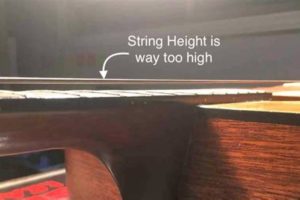
For optimal performance and longevity of strings, consider having the guitar professionally set up by a qualified technician. This includes adjusting intonation, string height, and overall playability.
Summary: By following these tips, guitarists can effectively care for and maintain the strings of their 12-string acoustic guitars, ensuring a consistent and enjoyable playing experience. Regular cleaning, proper storage, and attention to detail contribute to extending string lifespan, preserving tone quality, and maximizing the guitar’s overall performance.
Transition to the article’s conclusion: Understanding the importance of string care and maintenance, along with implementing these practical tips, empowers guitarists to establish a routine that safeguards their instrument and enhances their musical journey.
Conclusion
The realm of strings for 12-string acoustic guitars is a vast and intricate one, encompassing a multitude of factors that influence the instrument’s sound, feel, and playability. Understanding the nuances of string material, gauge, construction, brand, tension, and intonation empowers guitarists to make informed choices that optimize their playing experience and elevate their musical expression.
Beyond the initial selection of strings, proper care and maintenance are essential to preserve string longevity and ensure consistent performance. Regular cleaning, proper storage, and attention to detail contribute to a well-maintained instrument that rewards the guitarist with a rich, resonant sound and effortless playability.
Embracing the knowledge and techniques outlined in this comprehensive guide empowers guitarists to establish a routine that safeguards their 12-string acoustic guitars and enhances their musical journey. By investing in quality strings, practicing proper care, and seeking professional assistance when needed, guitarists can unleash the full potential of their instrument and create music that resonates with their audience.
Youtube Video: