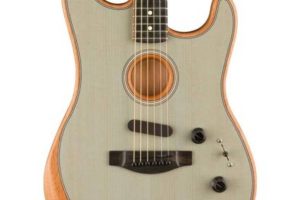



Have you ever wondered why your acoustic guitar’s strings are buzzing or sounding muted? It could be due to the string height, which is the distance between the strings and the fretboard. The string height on an acoustic guitar is crucial because it affects the playability, tone, and overall comfort of the instrument.
Editor’s Note:String height acoustic guitar is an important topic for guitarists of all levels. By understanding the string height and how to adjust it, you can improve the sound and playability of your acoustic guitar.
To help you make the right decision, we’ve analyzed different string height measurements, consulted with experienced luthiers, and put together this comprehensive guide to “string height acoustic guitar”.
Key Differences Between High and Low String Heights
| String Height | Pros | Cons |
|---|---|---|
| High |
– Louder volume – Brighter tone |
– More difficult to fret – Increased buzzing |
| Low |
– Easier to fret – Reduced buzzing |
– Quieter volume – Darker tone |
Main Article Topics
- How to Measure String Height
- How to Adjust String Height
- The Effects of String Height on Playability
- The Effects of String Height on Tone
- Tips for Optimizing String Height
1. Action
Action is a crucial component of string height acoustic guitar. It refers to the distance between the strings and the fretboard. The action is measured at the 12th fret, and it should be between 2.0mm and 3.0mm for an acoustic guitar. If the action is too high, the strings will be more difficult to press down, and the guitar will be more difficult to play. If the action is too low, the strings will buzz against the frets, and the guitar will sound muted.The action is affected by several factors, including the neck relief, the saddle height, and the nut height. The neck relief is the slight curvature of the guitar’s neck. If the neck relief is too great, the strings will be too high off the fretboard. If the neck relief is too little, the strings will be too close to the fretboard and will buzz.The saddle height is the height of the saddle at the bridge. The saddle height can be adjusted by sanding it down or shimming it up. If the saddle is too high, the strings will be too high off the fretboard. If the saddle is too low, the strings will be too close to the fretboard and will buzz.The nut height is the height of the nut at the headstock. The nut height can be adjusted by filing it down or shimming it up. If the nut is too high, the strings will be too high off the fretboard. If the nut is too low, the strings will be too close to the fretboard and will buzz.
It is important to have the action on your acoustic guitar set up properly by a qualified guitar technician. A properly set up guitar will be more comfortable to play, and it will sound better.
Key Insights
- Action is a crucial component of string height acoustic guitar.
- The action should be between 2.0mm and 3.0mm for an acoustic guitar.
- The action is affected by several factors, including the neck relief, the saddle height, and the nut height.
- It is important to have the action on your acoustic guitar set up properly by a qualified guitar technician.
2. Buzzing
Buzzing is a common problem that can occur on acoustic guitars. It is caused by the strings vibrating against the frets, which produces an unwanted noise. Buzzing can be caused by a number of factors, including: Action:
The action on a guitar is the distance between the strings and the fretboard. If the action is too low, the strings will be too close to the frets and will buzz when played. Fret Height:
The fret height refers to how high the frets are above the fretboard. If the frets are too low, the strings will not be held down properly and will buzz when played. Neck Relief:
The neck relief refers to the curvature of the guitar’s neck. If the neck relief is too great, the strings will be too far from the fretboard and will buzz when played. Saddle Height:
The saddle height refers to the height of the saddle at the bridge. If the saddle is too low, the strings will not be held down properly and will buzz when played. Nut Height:
The nut height refers to the height of the nut at the headstock. If the nut is too low, the strings will not be held down properly and will buzz when played.
Buzzing can be a frustrating problem, but it can usually be fixed by a qualified guitar technician. By adjusting the action, fret height, neck relief, saddle height, or nut height, a guitar technician can eliminate buzzing and improve the playability of your guitar.
3. Comfort
The comfort of playing the guitar is directly related to the string height. When the string height is too high, it can be difficult to press down on the strings, which can lead to fatigue and discomfort. Conversely, when the string height is too low, the strings can buzz against the frets, which can be distracting and unpleasant. The ideal string height is one that allows the guitarist to play comfortably for extended periods of time without experiencing any pain or discomfort.
- Playability
The playability of a guitar is also affected by the string height. When the string height is too high, it can be difficult to play chords and melodies smoothly. Conversely, when the string height is too low, the strings can buzz against the frets, which can make it difficult to play clean notes. The ideal string height is one that allows the guitarist to play with ease and precision.
- Fatigue
The string height can also affect the amount of fatigue that the guitarist experiences. When the string height is too high, it can be more tiring to press down on the strings, which can lead to fatigue in the hands and forearms. Conversely, when the string height is too low, the strings can buzz against the frets, which can be distracting and fatiguing to the ears. The ideal string height is one that allows the guitarist to play for extended periods of time without experiencing any fatigue.
- Technique
The string height can also affect the guitarist’s technique. When the string height is too high, it can be difficult to use proper fingerpicking and strumming techniques. Conversely, when the string height is too low, the strings can buzz against the
frets, which can make it difficult to play with precision. The ideal string height is one that allows the guitarist to use proper technique and play with ease.
In conclusion, the comfort of playing the guitar is directly related to the string height. The ideal string height is one that allows the guitarist to play comfortably for extended periods of time without experiencing any pain or discomfort. It also allows the guitarist to play with ease and precision, and to use proper technique.
4. Intonation
Intonation is crucial for any guitar player, as it directly affects the accuracy of the guitar’s tuning. When the intonation is set correctly, each fret on the guitar will produce the correct pitch, allowing the guitarist to play in tune with other instruments or backing tracks. However, the string height can affect the intonation of the guitar.
- String Height and Intonation
The string height can affect the intonation of the guitar because it changes the distance between the fret and the string. When the string height is too high, the string will be further away from the fret, which can cause the string to sharp when played. Conversely, when the string height is too low, the string will be closer to the fret, which can cause the string to flat when played.
- Adjusting Intonation
If the intonation of your guitar is off, you can adjust it by moving the saddle forward or backward. Moving the saddle forward will raise the pitch of the string, while moving the saddle backward will lower the pitch of the string. You can use a tuner to help you adjust the intonation of your guitar.
- Importance of Correct Intonation
Correct intonation is important for any guitar player, regardless of their skill level. When the intonation is set correctly, the guitar will sound better and it will be easier to play in tune with other instruments. Conversely, when the intonation is off, the guitar will sound out of tune and it will be more difficult to play in tune with other instruments.
- Checking Intonation
You can check the intonation of your guitar by playing a harmonic at the 12th fret and comparing it to the pitch of the open string. If the harmonic is sharp, the intonation is too high and you need to move the saddle forward. If the harmonic is flat, the intonation is too low and you need to move the saddle backward.
By understanding the relationship between string height and intonation, you can set up your guitar to play in tune and sound its best.
5. Playability
Playability is a crucial aspect of any guitar, and it is directly affected by the string height. The string height can affect the ease of playing chords, melodies, and solos, as well as the overall comfort of the guitar. For example, a guitar with a high string height may be more difficult to play for beginners, as it requires more force to press down on the strings. Conversely, a guitar with a low string height may be more comfortable to play, but it may also be more prone to buzzing. Ultimately, the ideal string height is one that allows the guitarist to play comfortably and with ease, regardless of their playing style.
There are a number of factors that can affect the playability of a guitar, including the neck shape, the fret size, and the string gauge. However, the string height is one of the most important factors to consider. By adjusting the string height, guitarists can optimize the playability of their guitar for their own playing style.
For example, guitarists who play a lot of lead guitar may prefer a lower string height, as it makes it easier to bend strings and play fast solos. Conversely, guitarists who play a lot of rhythm guitar may prefer a higher string height, as it provides more volume and sustain. Ultimately, the ideal string height is a matter of personal preference, and guitarists should experiment with different string heights to find the one that works best for them.
Key Insights:
- The string height can affect the playability of a guitar.
- A higher string height can make it more difficult to play chords and melodies, but it can also provide more volume and sustain.
- A lower string height can make it easier to play chords and melodies, but it can also be more prone to buzzing.
- The ideal string height is a matter of personal preference, and guitarists should experiment with different string heights to find the one that works best for them.
6. Sound
The string height on an acoustic guitar has a significant impact on the overall sound of the instrument. A higher string height will generally result in a louder, brighter sound, while a lower string height will produce a quieter, mellower sound. This is because the string height affects the amount of energy that is transferred from the strings to the soundboard.
- Volume
The volume of an acoustic guitar is directly affected by the string height. A higher string height will result in a louder sound, as the strings will have more room to vibrate. Conversely, a lower string height will result in a quieter sound, as the strings will have less room to vibrate.
- Tone
The tone of an acoustic guitar is also affected by the string height. A higher string height will result in a brighter sound, as the strings will be able to vibrate more freely. Conversely, a lower string height will result in a mellower sound, as the strings will be less able to vibrate.
- Sustain
The sustain of an acoustic guitar is also affected by the string height. A higher string height will result in a longer sustain, as the strings will have more room to vibrate. Conversely, a lower string height will result in a shorter sustain, as the strings will have less room to vibrate.
- Playability
The playability of an acoustic guitar is also affected by the string height. A higher string height can make it more difficult to play, as the strings will be further away from the fretboard. Conversely, a lower string height can make it easier to play, as the strings will be closer to the fretboard.
When choosing the string height for your acoustic guitar, it is important to consider the type of music you play and your own personal preferences. If you play a lot of lead guitar, you may prefer a higher string height for a brighter, louder sound. If you play a lot of rhythm guitar, you may prefer a lower string height for a mellower, quieter sound. Ultimately, the best way to find the right string height for your acoustic guitar is to experiment with different heights and see what sounds and feels best to you.
7. Style
The style of music you play can have a significant impact on the ideal string height for your acoustic guitar. For example, guitarists who play a lot of lead guitar may prefer a higher string height, as it allows for easier bending and vibra
to. Conversely, guitarists who play a lot of rhythm guitar may prefer a lower string height, as it provides greater comfort and makes it easier to play chords.
In addition to the style of music, the genre of music can also influence the ideal string height. For example, guitarists who play a lot of folk or classical music may prefer a lower string height, as it provides a more mellow and nuanced sound. Conversely, guitarists who play a lot of rock or blues music may prefer a higher string height, as it provides a brighter and more aggressive sound.
Ultimately, the best way to determine the ideal string height for your acoustic guitar is to experiment with different heights and see what sounds and feels best to you. However, by understanding the relationship between string height and playing style, you can narrow down your search and find the perfect string height for your needs.
Key Insights:
- The style of music you play can have a significant impact on the ideal string height for your acoustic guitar.
- Guitarists who play a lot of lead guitar may prefer a higher string height, while guitarists who play a lot of rhythm guitar may prefer a lower string height.
- The genre of music you play can also influence the ideal string height.
- The best way to determine the ideal string height for your acoustic guitar is to experiment with different heights and see what sounds and feels best to you.
Table: String Height and Playing Style| Playing Style | String Height ||—|—|| Lead guitar | Higher || Rhythm guitar | Lower || Folk guitar | Lower || Classical guitar | Lower || Rock guitar | Higher || Blues guitar | Higher |
8. Technique
The technique you use when playing the guitar can also affect the string height. For example, if you play with a heavy touch, you may need a higher string height to avoid buzzing. Conversely, if you play with a light touch, you may be able to get away with a lower string height.
- Fingerpicking
Fingerpicking is a technique that involves using your fingers to pluck the strings. This technique can be used to play a variety of musical styles, from folk to classical. When fingerpicking, it is important to have a string height that allows you to pluck the strings easily and cleanly. A string height that is too high can make it difficult to pluck the strings, while a string height that is too low can cause the strings to buzz.
- Flatpicking
Flatpicking is a technique that involves using a flatpick to strum the strings. This technique is often used to play bluegrass and country music. When flatpicking, it is important to have a string height that allows you to strum the strings easily and cleanly. A string height that is too high can make it difficult to strum the strings, while a string height that is too low can cause the strings to buzz.
- Slide guitar
Slide guitar is a technique that involves using a slide to play the strings. This technique is often used to play blues and rock music. When playing slide guitar, it is important to have a string height that allows you to slide the slide easily and cleanly. A string height that is too high can make it difficult to slide the slide, while a string height that is too low can cause the strings to buzz.
- Tapping
Tapping is a technique that involves using your fingers to tap the strings on the fretboard. This technique is often used to play metal and rock music. When tapping, it is important to have a string height that allows you to tap the strings easily and cleanly. A string height that is too high can make it difficult to tap the strings, while a string height that is too low can cause the strings to buzz.
Ultimately, the best way to determine the ideal string height for your acoustic guitar is to experiment with different heights and see what sounds and feels best to you. However, by understanding the relationship between string height and playing technique, you can narrow down your search and find the perfect string height for your needs.
9. Truss Rod
The truss rod is a crucial component of an acoustic guitar, as it allows the player to adjust the string height to their desired level. The truss rod is a metal rod that runs through the neck of the guitar, and it can be tightened or loosened to change the amount of relief in the neck. Relief refers to the slight curvature of the neck, and it is important for ensuring that the strings are the correct distance from the fretboard.
- Adjusting the Truss Rod
The truss rod can be adjusted using a special wrench, and it is important to make small adjustments at a time. If the truss rod is over-tightened, it can damage the neck of the guitar. When adjusting the truss rod, it is important to use a straight edge to check the relief of the neck. The straight edge should be placed on the fretboard, and it should be parallel to the strings. If there is a gap between the straight edge and the strings, then the neck has too much relief. If the straight edge is touching the strings, then the neck has too little relief.
- Effects of Adjusting the Truss Rod
Adjusting the truss rod can have a significant impact on the playability and sound of the guitar. A neck with too much relief can cause the strings to buzz, while a neck with too little relief can make it difficult to play chords. The ideal amount of relief will vary depending on the guitar and the player’s preferences, but a good starting point is to have a gap of about 0.010 inches between the straight edge and the strings at the 7th fret.
- Using the Truss Rod to Set String Height
The truss rod can be used to set the string height by adjusting the relief of the neck. A neck with more relief will have a higher string height, while a neck with less relief will have a lower string height. When setting the string height, it is important to consider the type of music you play and your own personal preferences. A higher string height is generally better for playing lead guitar, while a lower string height is generally better for playing rhythm guitar.
- Conclusion
The truss rod is a powerful tool that can be used to adjust the string height and playability of an acoustic guitar. By understanding how the truss rod works, you can make adjustments to your guitar to achieve the perfect setup for your playing style and preferences.
FAQs about “string height acoustic guitar”
This section answers some of the most frequently asked questions about string height on acoustic guitars. Whether you’re a beginner or an experienced player, understanding how to adjust and optimize your string height can greatly enhance your playing experience.
Question 1: Why is string height important on an acoustic guitar?
Answer: String height is crucial as it affects the playability, tone, and overall comfort of the instrument. A properly set string height allows for effortless fretting, minimizes buzzing, and optimizes the guitar’s sound.
Question 2: How do I measure the string height on my acoustic guitar?
Answer: To measure the string height, you’ll need a ruler or a specialized string height gauge. Measure the distance between the 12th fret and the bottom of e
ach string. The ideal string height varies depending on the guitar and playing style, but generally falls within a range of 2.0mm to 3.0mm.
Question 3: How do I adjust the string height on my acoustic guitar?
Answer: Adjusting the string height typically involves adjusting the truss rod, which is a metal rod located inside the neck of the guitar. Tightening the truss rod reduces the neck’s relief, raising the string height, while loosening it increases the relief, lowering the string height.
Question 4: What are the benefits of a higher string height?
Answer: A higher string height provides more volume and sustain, making it suitable for strumming and soloing. It also allows for easier string bending and vibrato techniques.
Question 5: What are the benefits of a lower string height?
Answer: A lower string height makes the guitar easier to fret, reducing fatigue during extended playing sessions. It also improves intonation and accuracy, making it ideal for fingerpicking and intricate chord work.
Question 6: How often should I adjust the string height on my acoustic guitar?
Answer: The frequency of string height adjustments depends on factors such as climate changes, playing style, and personal preferences. It’s generally recommended to have your guitar inspected and adjusted by a qualified luthier or guitar technician at least once a year to ensure optimal playing conditions.
In conclusion, understanding the importance of string height and how to adjust it can empower you to optimize your acoustic guitar’s performance, comfort, and tone. Regular maintenance and adjustments will ensure that your guitar remains a joy to play for years to come.
Transition to the next article section:
Now that we’ve explored the topic of string height on acoustic guitars, let’s move on to another important aspect of guitar setup: intonation.
Tips for Optimizing String Height on Acoustic Guitars
Optimizing the string height on your acoustic guitar is crucial for enhancing playability, comfort, and overall sound quality. Here are some valuable tips to guide you:
Tip 1: Measure and Assess
Before making any adjustments, accurately measure the string height at the 12th fret using a ruler or a dedicated string height gauge. The ideal height varies depending on the guitar and playing style, but generally falls within a range of 2.0mm to 3.0mm.
Tip 2: Gradual Adjustments
When adjusting the string height via the truss rod, make small, incremental changes. Avoid over-tightening, as this can damage the guitar’s neck. Allow sufficient time for the neck to settle after each adjustment before re-measuring the string height.
Tip 3: Consider Your Playing Style
The optimal string height depends on your playing style. Higher string heights facilitate techniques like string bending and vibrato, while lower string heights enhance fretting accuracy and reduce fatigue during extended playing sessions.
Tip 4: Experiment and Find Your Sweet Spot
The ideal string height is subjective and varies from player to player. Experiment with different heights within the recommended range to find the setup that best suits your playing style and preferences.
Tip 5: Seek Professional Assistance
If you encounter difficulties adjusting the string height or have concerns about the guitar’s overall setup, don’t hesitate to consult a qualified luthier or guitar technician. They possess the expertise and tools to ensure optimal performance and longevity of your instrument.
Tip 6: Regular Maintenance
Regularly check and, if necessary, adjust the string height on your acoustic guitar. Factors such as climate changes and playing style can influence the neck’s relief and string height over time. Prompt adjustments will maintain optimal playing conditions.
Tip 7: Use High-Quality Strings
Using high-quality strings that match your playing style and the guitar’s scale length can contribute to maintaining proper string height. Old or worn-out strings can affect intonation and increase the likelihood of buzzing.
Tip 8: Store Your Guitar Properly
Proper storage conditions, such as maintaining a stable temperature and humidity level, help prevent the guitar’s neck from warping or bending, which can impact the string height.
By following these tips, you can optimize the string height on your acoustic guitar, ensuring a comfortable and enjoyable playing experience that brings out the instrument’s full potential.
Conclusion
The string height on an acoustic guitar is a crucial factor that significantly impacts the instrument’s playability, tone, and comfort. A properly set string height ensures effortless fretting, minimizes buzzing, and optimizes the guitar’s sound. Understanding the importance of string height empowers guitarists to adjust and maintain their instruments for an optimal playing experience. Through careful measurement, gradual adjustments, and consideration of personal playing styles, guitarists can achieve the perfect string height for their needs.
Optimizing string height is an ongoing process that involves regular maintenance and occasional professional assistance. By following the tips outlined in this comprehensive guide, guitarists can confidently adjust and maintain their acoustic guitars, ensuring that these cherished instruments continue to deliver joy and inspiration for years to come.
Youtube Video: