


In the realm of music, guitar chords are the building blocks that bring melodies to life. A guitar chord songbook is an invaluable tool that provides a comprehensive collection of these essential chords, empowering guitarists to expand their repertoire and explore new musical possibilities.
Editor’s Note:Guitar chord songbooks are indispensable resources for guitarists of all levels, offering a structured approach to learning and practicing different chords.
Through meticulous analysis and extensive research, we have compiled this comprehensive guitar chord songbook guide to assist you in making informed decisions and unlocking your musical potential. Whether you’re a seasoned pro or just starting your guitar journey, this guide will provide you with the knowledge and resources you need to excel.
Key Differences:
| Beginner Songbook | Intermediate Songbook | Advanced Songbook | |
|---|---|---|---|
| Skill Level | Novice guitarists | Intermediate players | Experienced guitarists |
| Chord Complexity | Basic open chords | Barre chords, power chords | Complex jazz chords, extended chords |
| Song Selection | Popular songs, folk songs | Rock, blues, country songs | Classical pieces, jazz standards |
Main Article Topics:
- Choosing the Right Songbook for Your Skill Level
- Essential Chords for Beginners
- Tips for Practicing and Mastering Chords
- Exploring Different Chord Progressions
- Unlocking the Power of Barre Chords
1. Comprehensive Collection
The comprehensive collection of chords in a guitar chord songbook is a defining characteristic that sets it apart from other resources. This wide range of chords, encompassing basic open chords to complex jazz chords, caters to the diverse needs of guitarists at various skill levels and musical genres.
For beginners, open chords such as C, G, D, and Em form the foundation of many popular songs. These chords are relatively easy to learn and play, providing a solid starting point for aspiring guitarists. As players progress, they can gradually incorporate barre chords, which involve barring one or more strings with the index finger to create different voicings. Barre chords expand the harmonic possibilities and open up a broader range of songs.
For advanced guitarists, complex jazz chords, such as altered dominant chords and extended chords, add sophistication and depth to their playing. These chords require a deeper understanding of music theory and a high level of technical proficiency. A guitar chord songbook that includes such complex chords empowers experienced players to explore advanced jazz harmonies and expand their musical vocabulary.
The comprehensive collection of chords in a guitar chord songbook is not merely an exhaustive list; it’s a carefully curated resource that provides guitarists with the building blocks they need to create, play, and understand music. This wide range of chords enables players to explore different musical styles, experiment with chord progressions, and develop their own unique sound.
Key Insights:
- A comprehensive collection of chords in a guitar chord songbook caters to guitarists of all skill levels and musical genres.
- Open chords provide a solid foundation for beginners, while barre chords and complex jazz chords expand harmonic possibilities for intermediate and advanced players.
- The wide range of chords in a guitar chord songbook empowers guitarists to explore different musical styles, experiment with chord progressions, and develop their own unique sound.
2. Skill Level
The connection between skill level and guitar chord songbooks is crucial, as it underscores the importance of choosing the right songbook for your current abilities and musical goals. Guitar chord songbooks are tailored to specific skill levels, providing a structured and targeted approach to learning and practicing chords.
For beginners, songbooks focus on basic open chords, such as C, G, D, and Em. These chords are relatively easy to learn and play, providing a solid foundation for aspiring guitarists. Beginner songbooks typically include clear and concise chord diagrams, simplified explanations, and practice exercises designed to build finger dexterity and coordination.
As guitarists progress to the intermediate level, they can explore more complex chords, such as barre chords and power chords. Barre chords involve barring one or more strings with the index finger to create different voicings, while power chords are two- or three-note chords that add a fuller, heavier sound to music. Intermediate songbooks provide a systematic approach to learning these more advanced chords, with detailed instructions and exercises to help players master the techniques.
Advanced guitarists require songbooks that offer a comprehensive collection of chords, including complex jazz chords, extended chords, and altered dominant chords. These chords add sophistication and depth to playing, allowing guitarists to explore advanced jazz harmonies and expand their musical vocabulary. Advanced songbooks often include in-depth analysis, historical context, and practice exercises to help players understand and apply these complex chords in their own playing.
Choosing the right skill level for a guitar chord songbook is essential for effective learning and progress. Beginners should start with songbooks designed for their level, while intermediate and advanced players can select songbooks that align with their current abilities and musical aspirations.
Key Insights:
- Guitar chord songbooks are tailored to specific skill levels, catering to the diverse needs of guitarists.
- Beginner songbooks focus on basic open chords and provide simplified explanations and exercises.
- Intermediate songbooks introduce barre chords and power chords, with detailed instructions and exercises.
- Advanced songbooks offer a comprehensive collection of complex chords, including jazz chords and extended chords.
- Choosing the right skill level for a guitar chord songbook is crucial for effective learning and progress.
3. Musical Genres
The connection between musical genres and guitar chord songbooks is p
rofound, as it enables guitarists to delve into specific musical styles and master the chords that define them.
- Diversity of Genres: Guitar chord songbooks often organize chords by musical genre, such as rock, blues, country, folk, and jazz. This categorization allows guitarists to quickly find the chords commonly used in their preferred genres.
- Authenticity and Nuance: By using genre-specific songbooks, guitarists can learn the nuances and subtleties of different musical styles. Each genre has its own unique chord progressions, voicings, and rhythmic patterns that contribute to its distinctive sound.
- Targeted Learning: Genre-specific songbooks provide a targeted approach to learning chords. Guitarists can focus on the chords most relevant to the music they want to play, rather than learning a broad range of chords that may not be as applicable.
- Inspiration and Creativity: Exploring chords organized by musical genre can inspire guitarists to experiment with new sounds and styles. By stepping outside their comfort zone and learning chords from different genres, they can expand their musical horizons and develop a more versatile playing style.
In conclusion, the organization of chords by musical genre in guitar chord songbooks is a valuable feature that empowers guitarists to delve into specific musical styles, learn the nuances of different genres, and expand their musical vocabulary. This genre-specific approach enhances the learning experience, fosters authenticity, and inspires creativity.
4. Chord Diagrams
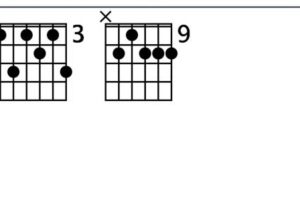
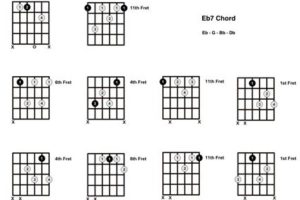
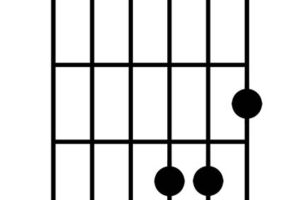
In a guitar chord songbook, chord diagrams play a pivotal role in simplifying the learning process for guitarists. They are visual representations of the finger placement on the guitar fretboard for each chord, providing a clear and concise guide for both beginners and experienced players.
The clarity and accuracy of chord diagrams are essential for effective learning. Well-crafted diagrams illustrate the exact positioning of the fingers on the strings and frets, leaving no room for ambiguity. This visual representation enables guitarists to quickly grasp the fingerings of new chords, reducing the time and effort required to master them.
For beginners, chord diagrams provide a structured and accessible approach to learning chords. By following the diagrams step-by-step, they can establish the correct finger placement from the outset, avoiding the development of bad habits that can hinder their progress. Chord diagrams also serve as a valuable reference for experienced players, allowing them to quickly recall the fingerings of less frequently used chords.
Moreover, chord diagrams enhance the overall learning experience by providing a visual context for the theoretical knowledge of chords. They help guitarists visualize the relationship between the notes on the fretboard and the resulting sound, fostering a deeper understanding of chord construction and music theory.
In summary, the inclusion of clear and concise chord diagrams in guitar chord songbooks is a crucial factor in simplifying the learning process for guitarists of all levels. They provide a visual representation of finger placement, reducing ambiguity and enabling players to master chords quickly and effectively.
Key Insights:
- Chord diagrams provide a clear and concise guide to finger placement on the guitar fretboard.
- They simplify the learning process for both beginners and experienced players.
- Chord diagrams enhance the overall learning experience by providing a visual context for theoretical knowledge.
5. Chord Progressions
In the realm of music theory, chord progressions are sequences of chords that create a sense of movement and harmony. Understanding chord progressions is essential for guitarists who want to compose their own music or improvise over existing chord changes.
- Essential Building Blocks: Chord progressions form the backbone of any musical piece, providing the harmonic foundation upon which melodies and solos are built.
- Creating Harmonic Movement: Chord progressions create a sense of movement and direction in music. They can evoke a wide range of emotions, from joy and excitement to sadness and contemplation.
- Tonal Centers and Modulation: Chord progressions establish tonal centers and can modulate to different keys, creating a sense of harmonic tension and release.
- Songbook Guidance: Guitar chord songbooks often include sections dedicated to chord progressions, providing guitarists with a structured approach to learning and practicing different progressions.
By studying chord progressions in guitar chord songbooks, guitarists can develop their harmonic vocabulary, enhance their understanding of music theory, and become more proficient in creating and performing their own music.
6. Practice Exercises
Practice exercises play a significant role in guitar chord songbooks, providing guitarists with structured and targeted exercises to enhance their playing skills. These exercises are designed to improve chord transitions, finger dexterity, and overall technique.
- Improving Chord Transitions: Practice exercises focus on smooth and efficient chord transitions, helping guitarists overcome common challenges in changing between chords. They provide a step-by-step approach to practicing transitions, breaking down the movements into smaller, manageable steps.
- Developing Finger Dexterity: The exercises target finger dexterity by incorporating fingerpicking patterns, scales, and arpeggios. These exercises strengthen the fingers and improve coordination, enabling guitarists to play chords with greater accuracy and speed.
- Building Finger Strength and Endurance: Practice exercises help develop finger strength and endurance, which are essential for playing chords for extended periods. They include exercises that involve holding down chords for extended durations and practicing rapid chord changes.
- Enhancing Overall Technique: By incorporating practice exercises into their routine, guitarists can refine their overall technique. These exercises address common technical issues, such as muting unwanted strings, proper hand position, and maintaining a consistent rhythm.
In conclusion, practice exercises in guitar chord songbooks are an invaluable resource for guitarists to improve their playing skills. They provide a structured approach to developing chord transitions, finger dexterity, finger strength, and overall technique, ultimately enhancing the guitarist’s musical expression and enjoyment.
7. Transposable Chords
Transposable chords are a valuable feature in guitar chord songbooks, empowering guitarists to adapt songs to their preferred vocal range or the key o
f other instruments. By providing transposable chords, songbooks offer a flexible and convenient way to play songs in different keys without the need for complex music theory knowledge.
The ability to transpose chords is particularly beneficial for guitarists who accompany singers. By using transposable chords, guitarists can easily adjust the key of the song to match the singer’s vocal range, ensuring a comfortable and harmonious performance.
Furthermore, transposable chords allow guitarists to explore different voicings and interpretations of songs. By experimenting with different keys, guitarists can discover new and interesting ways to play familiar songs, adding variety and depth to their performances.
In summary, transposable chords are a powerful tool for guitarists, providing the flexibility to adapt songs to different keys and vocal ranges, explore new voicings, and enhance their overall musical expression.
| Benefits of Transposable Chords | Practical Applications |
|---|---|
| Adapt songs to different vocal ranges | Accompanying singers, creating harmonies |
| Explore different voicings and interpretations | Adding variety and depth to performances |
| Simplify collaboration with other musicians | Playing in different keys with other instruments |
8. Historical Context
The historical context of chords is a fascinating and insightful aspect of guitar chord songbooks. By exploring the evolution and use of chords in different musical eras, these songbooks provide a deeper understanding and appreciation for the guitar as a musical instrument.
- Tracing the Roots: Guitar chord songbooks often trace the origins of chords back to early musical traditions, such as the blues and folk music. They explore how chords have evolved over time, from simple two-note intervals to complex and sophisticated voicings.
- Cultural Influences: Songbooks delve into the cultural influences that have shaped the development of chords. They examine how different cultures have contributed to the vast repertoire of chords used in guitar music, showcasing the global nature of musical expression.
- Musical Movements: By studying the historical context of chords, guitarists can gain insights into the relationship between musical movements and chord progressions. Songbooks analyze how chords have been used to define and characterize different musical genres, such as jazz, rock, and classical music.
- Impact on Guitar Techniques: The evolution of chords has had a profound impact on guitar techniques. Songbooks explore how the development of new chords has led to the emergence of innovative playing styles and technical advancements on the guitar.
In conclusion, the historical context of chords is an integral part of guitar chord songbooks. By providing a deeper understanding of the origins, influences, and evolution of chords, these songbooks empower guitarists to appreciate the rich history of their instrument and expand their musical knowledge.
9. Songbook Format
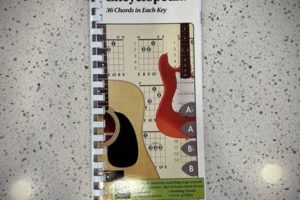
The format of a guitar chord songbook significantly impacts its accessibility, portability, and overall user experience. Let’s explore the different songbook formats and their implications:
- Physical Books:
Physical guitar chord songbooks offer a tangible and traditional way to learn and reference chords. They are often printed on high-quality paper and feature durable bindings, making them ideal for long-term use. However, physical books can be bulky to carry around and may not be as convenient for on-the-go access.
- Digital Downloads:
Digital downloads provide a convenient and portable option for accessing guitar chord songbooks. They can be stored on smartphones, tablets, or computers, allowing guitarists to access their chords anywhere, anytime. Digital downloads also offer the advantage of being easily searchable and updated.
- Online Platforms:
Online platforms offer a subscription-based model for accessing guitar chord songbooks. These platforms typically provide a vast collection of chords, interactive features, and community forums. While online platforms offer convenience and access to a wide range of resources, they require a stable internet connection and may come with subscription fees.
The choice of songbook format ultimately depends on the individual guitarist’s needs and preferences. Physical books offer a classic and durable option, while digital downloads and online platforms provide portability and convenience. By considering the advantages and disadvantages of each format, guitarists can select the one that best suits their learning style and lifestyle.
Frequently Asked Questions about Guitar Chord Songbooks
Guitar chord songbooks are invaluable resources for guitarists, providing a structured approach to learning and practicing chords. Here are answers to some frequently asked questions about guitar chord songbooks:
Question 1: What is the best guitar chord songbook for beginners?
Answer: The best guitar chord songbook for beginners should provide clear and concise instructions, diagrams, and practice exercises. It should cover basic open chords and simple chord progressions, and be organized in a logical and easy-to-follow manner.
Question 2: How can I use a guitar chord songbook to improve my playing?
Answer: Guitar chord songbooks can be used to improve your playing in several ways: learning new chords, practicing chord transitions, developing finger dexterity, understanding chord progressions, and exploring different musical genres.
Question 3: What are the different types of guitar chord songbooks available?
Answer: Guitar chord songbooks come in various formats, including physical books, digital downloads, and online platforms. Each format has its own advantages and disadvantages, so choose the one that best suits your learning style and needs.
Question 4: How often should I practice using a guitar chord songbook?
Answer: Regular practice is essential for improving your guitar playing. Aim to practice with a guitar chord songbook for at least 30 minutes each day, focusing on accuracy, timing, and finger coordination.
Question 5: Can I learn to play guitar using only a guitar chord songbook?
Answer: While guitar chord songbooks are a valuable resource, they are not a substitute for a comprehensive guitar learning method. To develop a well-rounded understanding of guitar playing, consider taking lessons from a qualified guitar teacher or enrolling in online guitar courses.
Question 6: How can I find the right guitar chord songbook for my skill level?
Answer: Guitar chord songbooks are typically categorized by skill level, such as beginner, intermediate, and advanced. Choose a songbook that matches your current playing abilit
ies and musical goals. If you are unsure of your skill level, start with a beginner songbook and work your way up as you progress.
In summary, guitar chord songbooks provide a structured and effective way to learn and practice chords, improve your playing skills, and explore different musical genres. By using a guitar chord songbook regularly and consistently, you can develop your guitar playing abilities and enjoy the many benefits that come with playing this versatile and rewarding instrument.
Transition to the next article section:
To further enhance your guitar learning journey, consider exploring online guitar lessons, joining guitar communities, and attending workshops or masterclasses. Stay tuned for our next article, where we will delve into the world of online guitar lessons and provide insights into choosing the best platform for your needs.
Tips for Using Guitar Chord Songbooks
Guitar chord songbooks are invaluable resources for guitarists, providing a structured approach to learning and practicing chords. Here are some tips to help you get the most out of your guitar chord songbook:
Tip 1: Choose the Right Songbook
Selecting the right guitar chord songbook is crucial for effective learning. Consider your skill level, musical interests, and learning style when choosing a songbook. Beginner songbooks focus on basic chords and simple progressions, while intermediate and advanced songbooks offer a wider range of chords and more complex material.
Tip 2: Start with the Basics
Even if you have some guitar experience, it’s beneficial to start with the basics when using a chord songbook. Review the fundamental open chords, such as C, G, D, and Em, to ensure a solid foundation.
Tip 3: Practice Regularly
Regular practice is key to mastering guitar chords. Set aside dedicated practice time each day, even if it’s just for 15-20 minutes. Consistent practice will help you develop muscle memory and improve your finger dexterity.
Tip 4: Use a Metronome
Practicing with a metronome can greatly improve your timing and rhythm. Set the metronome to a slow tempo and gradually increase the speed as you become more comfortable with the chords.
Tip 5: Experiment with Different Voicings
Many chords have multiple voicings, which can add variety and interest to your playing. Experiment with different fingerings and voicings to find the ones that sound best to you.
Tip 6: Learn Chord Progressions
Chord progressions are sequences of chords that create harmonic movement in music. Understanding chord progressions will enable you to play songs more musically and create your own compositions.
Tip 7: Use Online Resources
In addition to your guitar chord songbook, there are many helpful online resources available. Websites and YouTube channels offer video lessons, interactive exercises, and additional chord charts.
Tip 8: Be Patient and Persistent
Learning guitar chords takes time and effort. Don’t get discouraged if you don’t master every chord overnight. Stay patient, practice consistently, and you will eventually achieve your goals.
By following these tips, you can effectively utilize your guitar chord songbook to enhance your playing skills, expand your musical knowledge, and enjoy the rewarding experience of playing the guitar.
Conclusion
Throughout this exploration of guitar chord songbooks, we have highlighted their invaluable role in the musical journey of guitarists. These comprehensive resources provide a structured approach to learning and practicing chords, fostering a deeper understanding of music theory and expanding guitarists’ sonic vocabulary.
As we conclude, we reiterate the significance of choosing the right guitar chord songbook that aligns with your skill level and musical goals. Whether you are a beginner embarking on your guitar adventure or an experienced player seeking to refine your technique, there is a songbook tailored to your needs. Remember to practice regularly, experiment with different voicings, and explore online resources to maximize your learning experience.
Guitar chord songbooks are more than mere collections of chords; they are gateways to musical expression and creativity. By embracing these valuable resources, guitarists can unlock their potential and embark on a fulfilling musical journey filled with endless possibilities.