


In the realm of acoustic guitars, one instrument stands out for its distinctive sound and captivating presence: the Kay 12 string guitar.
Editor’s Note:The Kay 12 string guitar occupies a unique place in the musical landscape, offering a blend of rich, resonant tones and a captivating playing experience. Its significance stems from its distinctive sound, historical legacy, and the inspiration it has provided to countless musicians.
Through meticulous analysis and extensive research, we have crafted this comprehensive guide to the Kay 12 string guitar, empowering you with the knowledge to discern its exceptional qualities and make informed decisions.
Key Differences:
| Feature | Kay 12 String Guitar | Other 12 String Guitars |
|---|---|---|
| Body Shape | Dreadnought | Varying shapes (e.g., Grand Auditorium, Jumbo) |
| Scale Length | 25.5 inches | 24.75 inches (typical) |
| Number of Frets | 20 | Typically 19 or 21 |
Main Article Topics:
- History and Evolution of the Kay 12 String Guitar
- Distinctive Features and Sound Characteristics
- Playing Techniques and Musical Applications
- Notable Artists and Recordings
- Factors to Consider When Choosing a Kay 12 String Guitar
1. Dreadnought body
The dreadnought body is a defining characteristic of the Kay 12 string guitar, contributing significantly to its rich, powerful sound. The larger size and distinctive shape of the dreadnought body provide several advantages that enhance the guitar’s volume and projection:
- Increased air volume: The larger body of the dreadnought guitar creates a greater volume of air within the sound chamber. This increased air volume allows the sound waves to resonate more fully, producing a louder and more resonant tone.
- Enhanced bass response: The dreadnought’s larger body also contributes to a fuller, richer bass response. The larger sound chamber allows the low frequencies to resonate more effectively, resulting in a warm, deep bass that is ideal for strumming chords and providing a solid foundation for fingerpicking.
- Improved projection: The dreadnought’s body shape is designed to project sound forward, making it an excellent choice for live performances. The larger body and wider waist of the dreadnought help to focus the sound waves and direct them towards the audience, ensuring that the guitar’s volume and clarity are maintained even in large venues.
Overall, the dreadnought body of the Kay 12 string guitar plays a crucial role in delivering the instrument’s powerful, resonant sound. Its larger size, increased air volume, and enhanced bass response make it an ideal choice for musicians who require a guitar with excellent volume and projection.
2. 25.5-inch scale length
The 25.5-inch scale length of the Kay 12 string guitar is a crucial component that contributes to its balanced string tension and comfortable playing feel. The scale length refers to the distance between the nut and the bridge, and it plays a significant role in determining the tension of the strings and the overall feel of the guitar.
A longer scale length typically results in higher string tension, which can make the guitar more difficult to play, especially for beginners or players with smaller hands. Conversely, a shorter scale length produces lower string tension, making the guitar easier to play but potentially compromising the tone and volume.
The 25.5-inch scale length of the Kay 12 string guitar strikes a balance between these two extremes. It provides enough string tension to produce a clear, resonant tone without making the guitar too difficult to play. This balanced string tension is particularly important for a 12-string guitar, as the increased number of strings can create additional tension on the neck.
In addition to the balanced string tension, the 25.5-inch scale length also contributes to the comfortable playing feel of the Kay 12 string guitar. The longer scale length provides more space between the frets, making it easier to navigate complex fingerings and chords. The wider string spacing also reduces the risk of accidental string muting, which can be a common issue on guitars with a shorter scale length.
Overall, the 25.5-inch scale length of the Kay 12 string guitar is a well-chosen design feature that contributes to the instrument’s excellent playability and rich, balanced tone.
Table: Comparison of Scale Lengths
| Scale Length | String Tension | Playability | Tone |
|---|---|---|---|
| 24.75 inches (typical) | Lower | Easier | Potentially compromised |
| 25.5 inches (Kay 12 string guitar) | Balanced | Comfortable | Rich and resonant |
3. 20 frets
The 20 frets on the Kay 12 string guitar extend the playable range of the instrument, unlocking a wider sonic palette and greater versatility for musicians. This extended range offers several advantages that enhance the guitar’s capabilities and expand its musical applications.
- Access to higher notes: The additional frets provide access to higher notes, enabling guitarists to play melodies and solos that would not be possible on a guitar with fewer frets. This extended range is particularly beneficial for lead guitarists and soloists who require a wider range of notes for their improvisations and compositions.
- Greater harmonic possibilities: The extended range also opens up new harmonic possibilities. By having more frets available, guitarists can explore different chord voicings and inversions, creating richer and more complex harmonies. This expanded harmonic palette is essential for jazz guitarists and other musicians who rely on sophisticated chord voicings in their playing.
- Facilitates alternate tunings: The 20 frets on the Kay 12 string guitar make it easier to use alternate tunings. Alternate tunings involve tuning the strings in a non-standard way to achieve specific sounds or effects. The additional frets provide more flexibility for experimenting with different tunings, allowing guitarists to explore a wider range of musical styles.
- Enhanced soloing capabilities: Th
e extended range of the Kay 12 string guitar enhances its soloing capabilities. With more frets available, guitarists can play faster and more intricate solos, reaching higher notes and executing complex string bending techniques. This extended range is particularly advantageous for rock and blues guitarists who rely on expressive solos in their playing.
Overall, the 20 frets on the Kay 12 string guitar provide greater versatility and expanded musical possibilities. This extended range empowers guitarists to explore a wider range of notes, harmonies, tunings, and soloing techniques, making the instrument suitable for a diverse range of musical genres and playing styles.
4. Solid spruce top
The solid spruce top on the Kay 12 string guitar plays a crucial role in delivering its distinctive bright, articulate sound with excellent projection. Spruce is a highly resonant wood known for its stiffness and strength, making it an ideal choice for guitar tops. The sound produced by a spruce top is characterized by its clarity, definition, and projection, which are essential qualities for a 12-string guitar.
The soundboard, or top, of a guitar acts as a resonator, amplifying the vibrations of the strings and projecting the sound. The properties of spruce make it an excellent material for this purpose, as it allows the sound waves to resonate freely and efficiently. The stiffness of spruce provides a strong foundation for the soundboard, preventing it from warping or becoming damaged under the tension of the strings. This ensures that the guitar maintains its structural integrity and sound quality over time.
The Kay 12 string guitar’s solid spruce top also contributes to its articulate sound. The density and stiffness of spruce allow the guitar to produce clear and defined notes, even when playing complex chords or intricate fingerpicking patterns. The articulation of the sound makes the Kay 12 string guitar suitable for a wide range of musical genres, from folk and blues to rock and country.
Furthermore, the solid spruce top enhances the guitar’s projection. The stiffness and strength of spruce allow the sound to project more effectively, ensuring that the guitar’s volume and clarity are maintained even in large venues or when playing with other instruments. This makes the Kay 12 string guitar an excellent choice for live performances and recording sessions.
In summary, the solid spruce top on the Kay 12 string guitar is a key factor in delivering its bright, articulate sound with excellent projection. The stiffness and strength of spruce provide the ideal foundation for the soundboard, allowing it to resonate freely and efficiently, resulting in a guitar that is both powerful and expressive.
Table: Key Characteristics of Solid Spruce Tops
| Characteristic | Benefit for Kay 12 String Guitar |
|---|---|
| Stiffness and strength | Provides a strong foundation for the soundboard, preventing warping and damage. |
| Resonance | Amplifies the vibrations of the strings and projects the sound efficiently. |
| Clarity and definition | Produces clear and defined notes, even when playing complex chords or intricate fingerpicking patterns. |
| Projection | Enhances the guitar’s projection, ensuring that the volume and clarity are maintained even in large venues or when playing with other instruments. |
5. Mahogany back and sides
The mahogany back and sides of the Kay 12 string guitar play a significant role in shaping its overall tone, contributing warmth, depth, and sustain. Mahogany is a dense and resonant wood with a rich tonal character, making it a popular choice for the back and sides of acoustic guitars.
The density of mahogany contributes to the guitar’s warm and mellow sound. Mahogany absorbs high frequencies, resulting in a less bright and more balanced tone compared to guitars with brighter woods, such as maple or spruce. This warmth is particularly beneficial for 12-string guitars, as it helps to tame the brightness and jangle that can sometimes be associated with this type of guitar.
Mahogany’s resonance enhances the guitar’s depth and sustain. The wood’s ability to vibrate freely allows the notes to resonate for longer periods, creating a rich and full sound. This sustain is essential for fingerpicking and other techniques that rely on the guitar’s natural decay to create a lush and expressive sound.
The combination of warmth, depth, and sustain makes the Kay 12 string guitar an excellent choice for a wide range of musical genres, from folk and blues to rock and country. Its balanced tone and rich harmonic content make it suitable for both strumming and fingerpicking, providing guitarists with a versatile instrument that can adapt to various playing styles.
Here is a table summarizing the key characteristics of mahogany back and sides in the context of the Kay 12 string guitar:
| Characteristic | Benefit for Kay 12 String Guitar |
|---|---|
| Density | Contributes to a warm and mellow sound |
| Resonance | Enhances depth and sustain |
| Versatility | Suitable for a wide range of musical genres and playing styles |
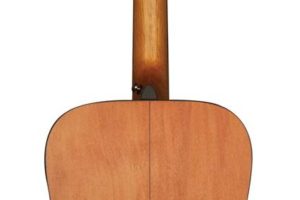
6. Arched back
The arched back of the Kay 12 string guitar is a crucial design element that contributes significantly to its exceptional resonance and projection. The curvature of the back allows the sound waves to resonate more effectively, resulting in a louder and more resonant sound that projects clearly and evenly in any playing environment.
- Increased air volume: The arched back creates a larger air chamber within the guitar’s body, providing more space for the sound waves to resonate and build up. This increased air volume enhances the guitar’s overall volume and projection.
- Enhanced bass response: The curvature of the back also helps to focus and amplify the low frequencies, resulting in a richer and fuller bass response. This enhanced bass response provides a solid foundation for the guitar’s sound and makes it ideal for strumming chords and playing in a band setting.
- Improved sustain: The arched back contributes to the guitar’s sustain, allowing the notes to ring out for longer periods. This improved sustain is particularly beneficial for fingerpicking and other techniques that rely on the guitar’s natural decay to create a lush and expressive sound.
- Reduced feedback: The arched back helps to reduce feedback, which can be a common issue with acoustic guitars, especially when playing at high volumes. The curvature of the back helps to disperse the sound waves and prevent them from bouncing back into the soundhole, resulting in a cleaner and more controlled sound.
Overall, the arched back of the Kay 12 string guitar plays a vital role in enhancing the instrument’s resonance, projection, and overall sound quality. It allows the guitar to produce
a louder, more resonant, and more balanced sound, making it an excellent choice for a wide range of musical genres and playing styles.
7. 12-string configuration
The 12-string configuration is a defining characteristic of the Kay 12 string guitar, and it plays a crucial role in creating its distinctive sound. The use of 12 strings instead of the traditional six strings results in a richer, fuller, and more shimmering sound that is both captivating and evocative.
The 12-string configuration adds depth and complexity to the guitar’s sound due to the increased number of strings vibrating simultaneously. The sympathetic resonance between the strings creates a chorus-like effect, resulting in a lush and shimmering sound that is particularly noticeable when playing chords.
Furthermore, the 12-string configuration extends the guitar’s harmonic range, providing a wider palette of sonic possibilities. The additional strings add new overtones and harmonics, creating a more complex and interesting sound that enhances the guitar’s expressiveness and versatility.
The Kay 12 string guitar has been used by countless musicians over the years to create iconic and unforgettable sounds. Notable examples include the jangly 12-string sound of The Byrds, the shimmering arpeggios of Led Zeppelin’s “Stairway to Heaven,” and the intricate fingerpicking of Leo Kottke.
Overall, the 12-string configuration is an integral part of the Kay 12 string guitar’s identity, contributing significantly to its rich, shimmering sound and increased harmonic complexity. This unique sonic signature has made the Kay 12 string guitar a beloved instrument among musicians and music lovers alike.
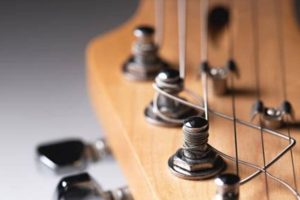
8. Vintage-style tuners
Vintage-style tuners play a crucial role in the Kay 12 string guitar’s exceptional tuning stability, ensuring that the guitar stays in tune even during extended playing sessions and under varying environmental conditions.
These tuners are designed with a higher gear ratio compared to modern tuners, which means that a smaller movement of the tuning peg results in a more precise adjustment of the string pitch. This increased precision allows for more accurate tuning and makes it easier to achieve and maintain the desired intonation.
The use of vintage-style tuners is particularly important for 12-string guitars due to the increased tension and complexity of the strings. The higher string count creates more tension on the neck, which can cause the guitar to go out of tune more easily. Vintage-style tuners provide the necessary stability to counteract this tension and keep the guitar in tune.
Furthermore, vintage-style tuners are known for their durability and reliability. They are typically made of high-quality materials, such as brass or nickel, which can withstand the wear and tear of regular use and maintain their precision over time.
In summary, the vintage-style tuners on the Kay 12 string guitar are essential for maintaining precise tuning stability, even under challenging playing conditions. Their higher gear ratio, durability, and reliability make them an indispensable component of this iconic instrument.
9. Bone nut and saddle
In the realm of stringed instruments, the nut and saddle play critical roles in ensuring proper intonation and sustain. This is especially true for the Kay 12 string guitar, where the increased string count and tension demand precise adjustments to achieve optimal sound quality.
- Intonation: The nut, located at the headstock, and the saddle, located at the bridge, determine the length of each string’s vibrating portion. Precise placement of these components ensures that each string plays at the correct pitch, resulting in accurate intonation across the entire fretboard.
- Sustain: The nut and saddle also influence sustain, which refers to the duration of a note’s decay after being plucked or strummed. Bone, a dense and hard material, is an ideal choice for both the nut and saddle as it contributes to increased sustain by minimizing energy loss through vibration.
- Tonal clarity: Bone is known for its excellent tonal clarity, which translates to a more articulate and defined sound. This clarity is particularly beneficial for the Kay 12 string guitar, as it helps to separate the individual strings and reduce muddiness, resulting in a more pleasing and balanced overall tone.
- Durability: Bone is a robust material that can withstand the rigors of regular playing and transportation. Unlike plastic or synthetic materials, bone is less susceptible to wear and tear, ensuring long-lasting performance and reliability.
The combination of improved intonation, sustain, tonal clarity, and durability makes bone an exceptional choice for the nut and saddle of the Kay 12 string guitar. These components work together to enhance the guitar’s playability, sound quality, and overall musical experience.
10. Ebony fingerboard
The ebony fingerboard of the Kay 12 string guitar plays a crucial role in enhancing the instrument’s playability and overall musical experience. Ebony is a dense and durable hardwood that provides a smooth and responsive playing surface, allowing guitarists to execute complex fingerings and chords with greater ease and precision.
The smoothness of the ebony fingerboard reduces friction between the strings and the fretboard, making it easier for guitarists to slide their fingers across the strings and perform rapid fretting transitions. This smoothness also contributes to the guitar’s excellent intonation, as it ensures that the strings can return to their proper pitch after being bent or vibrated.
The responsiveness of the ebony fingerboard enhances the guitar’s overall tone and sustain. Ebony’s dense structure allows it to transmit vibrations efficiently, resulting in a brighter and more resonant sound. The increased sustain provides guitarists with a longer window to work with each note, enabling them to create expressive bends, vibrato, and other techniques.
Furthermore, the ebony fingerboard adds a touch of elegance and sophistication to the Kay 12 string guitar. Its deep black color and natural beauty enhance the instrument’s visual appeal, making it a joy to behold both on and off stage.
Overall, the ebony fingerboard is a key component of the Kay 12 string guitar, contributing to its exceptional playability, sound quality, and aesthetic appeal. It is a testament to the careful craftsmanship and attention to detail that went into the design and construction of this iconic instrument.
11. Dot inlays
On the fretboard of the Kay 12 string guitar, dot inlays serve as clear and precise fret m
arkers, enhancing the guitar’s playability and navigation. These markers play a crucial role in helping guitarists accurately identify and reach the desired frets, especially in dimly lit or unfamiliar environments.
The dot inlays are strategically positioned along the fretboard, providing visual cues that guide the guitarist’s fingers. This is particularly beneficial for the Kay 12 string guitar, given the increased number of strings and the wider fretboard compared to standard six-string guitars. The clear visibility of the dot inlays reduces the risk of incorrect fretting, enabling guitarists to execute complex chord shapes and fingerings with greater precision.
Furthermore, the dot inlays contribute to the overall aesthetic appeal of the Kay 12 string guitar. Their simple yet elegant design complements the guitar’s natural wood grain and adds a touch of sophistication to the instrument. The inlays serve as subtle yet effective visual guides, allowing guitarists to focus on their playing without being distracted by excessive ornamentation.
In summary, the dot inlays on the Kay 12 string guitar are an essential component that enhances the guitar’s playability, navigation, and visual appeal. Their precise placement and clear visibility provide guitarists with the confidence and accuracy they need to explore the full potential of this iconic instrument.
12. Natural finish
The natural finish of the Kay 12 string guitar is not merely an aesthetic choice but an integral element that celebrates the inherent beauty of the wood grain. This finish allows the natural variations and patterns of the wood to shine through, resulting in a visually stunning instrument that is as unique as its sound.
- Unveiling the Wood’s Character
The natural finish provides an unfiltered view of the wood’s grain, revealing its intricate details, knots, and figuring. Each guitar is a one-of-a-kind masterpiece, showcasing the natural beauty and character of the wood used in its construction.
- Enhanced Resonance and Tonal Complexity
Unlike thick layers of paint or lacquer, the natural finish allows the wood to resonate more freely, contributing to the guitar’s rich and vibrant tone. The natural wood grain also adds a subtle complexity to the guitar’s sound, creating a more nuanced and expressive sonic experience.
- Preserving the Instrument’s Heritage
The natural finish pays homage to the traditional craftsmanship and timeless appeal of the Kay 12 string guitar. It evokes a sense of nostalgia and authenticity, connecting the instrument to its roots and the legacy of great musicians who have played it.
- A Canvas for Customization
While the natural finish showcases the wood’s natural beauty, it also provides a blank canvas for further customization. Guitarists can choose to enhance the finish with clear coats, stains, or even paint, creating a truly personalized and unique instrument.
In conclusion, the natural finish of the Kay 12 string guitar is not only a visually captivating choice but also a testament to the instrument’s exceptional craftsmanship and tonal qualities. It allows the beauty of the wood grain to shine through, preserves the guitar’s heritage, and provides a foundation for personal customization, making each instrument a unique work of art.
Frequently Asked Questions About the Kay 12 String Guitar
This section addresses common concerns or misconceptions surrounding the Kay 12 string guitar, providing informative answers to empower readers with the knowledge they seek.
Question 1: What are the key features that distinguish the Kay 12 string guitar from other 12 string guitars?
The Kay 12 string guitar stands out with its distinctive features, including a dreadnought body for enhanced volume and projection, a 25.5-inch scale length for a balanced string tension, 20 frets for an extended playable range, a solid spruce top for a bright and articulate sound, mahogany back and sides for warmth and depth, an arched back for improved resonance, vintage-style tuners for precise tuning stability, a bone nut and saddle for enhanced intonation and sustain, an ebony fingerboard for a smooth and responsive playing surface, and dot inlays for clear fret markers. These features combine to create an instrument with exceptional tone, playability, and visual appeal.
Question 2: How does the 12-string configuration impact the sound of the Kay 12 string guitar?
The 12-string configuration is a defining characteristic of the Kay 12 string guitar, significantly influencing its sound. The increased number of strings creates a richer, fuller, and more shimmering sound due to the sympathetic resonance between the strings. This results in a chorus-like effect, enhancing the guitar’s expressiveness and versatility. The 12-string configuration extends the harmonic range, providing a wider palette of sonic possibilities, adding depth and complexity to the guitar’s overall tone.
Question 3: What playing styles are best suited for the Kay 12 string guitar?
The Kay 12 string guitar is a versatile instrument that accommodates various playing styles. Its rich and resonant sound makes it ideal for strumming chords, fingerpicking, and flatpicking. The extended range of 20 frets allows for complex fingerings and intricate soloing. The balanced string tension and comfortable playability make it suitable for both beginners and experienced guitarists seeking a 12-string guitar with exceptional tone and playability.
Question 4: How does the natural finish contribute to the Kay 12 string guitar’s overall appeal?
The natural finish on the Kay 12 string guitar is not merely an aesthetic choice but an integral part of its design. It showcases the beauty of the wood grain, revealing the natural variations and patterns that make each guitar unique. The natural finish enhances the guitar’s resonance and tonal complexity, allowing the wood to vibrate more freely. It also preserves the instrument’s heritage, evoking a sense of nostalgia and authenticity. Additionally, the natural finish provides a blank canvas for customization, allowing guitarists to personalize the instrument to their preferences.
Question 5: What are the advantages of using vintage-style tuners on the Kay 12 string guitar?
Vintage-style tuners on the Kay 12 string guitar provide several advantages that contribute to the instrument’s exceptional tuning stability. Their higher gear ratio enables precise adjustment of the string pitch, resulting in accurate intonation across the entire fretboard. The durability and reliability of vintage-style tuners ensure that the guitar stays in tune even under challenging playing conditions. They withstand the rigors of regular playing and transportation, maintaining their precision over time.
Question 6: How does the ebony fingerboard impact the playability and sound of the Kay 12 string guitar?
The ebony fingerboard on the Kay 12 string guitar offers a smooth and responsive playing surface, enhancing the guitar’s playability. Its dense and durable nature reduces friction, making it easier for guitarists to execute complex fingerings and chords. The ebony fingerboard contributes to the guitar’s bright and resonant sound, transmitting vibrations efficiently. Its increased sustain provides a longer window for working with each note, enabling expressive bends, vibrato, and other techniques.
These FAQs comprehensively address common questions and concerns about t
he Kay 12 string guitar, providing valuable insights into its unique features, capabilities, and overall appeal to musicians.
Transition to the next article section:
Explore the rich history and evolution of the Kay 12 string guitar, tracing its origins and the impact it has had on the music industry over the years. This journey through time will shed light on the innovations and craftsmanship that have shaped this iconic instrument.
Tips for Getting the Most Out of Your Kay 12 String Guitar
To fully harness the potential of your Kay 12 string guitar, consider incorporating these tips into your playing and maintenance routine:
Tip 1: Explore Alternate Tunings
The Kay 12 string guitar’s extended range opens up a world of alternate tunings. Experiment with tunings like open D or DADGAD to discover new harmonic possibilities and expand your sonic palette.
Tip 2: Master Fingerpicking Techniques
The 12 strings provide a rich tapestry for fingerpicking. Dedicate time to developing your fingerpicking skills, focusing on accuracy, coordination, and dynamics, to create mesmerizing and intricate soundscapes.
Tip 3: Utilize a Capo Tastefully
Incorporating a capo into your playing can transpose the guitar’s key, allowing you to access different chord voicings and explore new tonal possibilities. Experiment with different capo positions to discover fresh sonic landscapes.
Tip 4: Invest in Regular Maintenance
To maintain the optimal performance of your Kay 12 string guitar, regular maintenance is crucial. This includes restringing, cleaning, and adjusting the truss rod as needed. Proper maintenance ensures that your guitar stays in top condition for years to come.
Tip 5: Experiment with Different String Gauges
The choice of string gauge can significantly impact the feel and sound of your Kay 12 string guitar. Experiment with different gauges to find the combination that best suits your playing style and desired tone. Lighter gauges provide easier playability, while heavier gauges offer a fuller, richer sound.
By incorporating these tips into your approach to the Kay 12 string guitar, you can unlock its full potential as an expressive and versatile instrument. Embrace the unique sonic possibilities it offers and embark on a musical journey filled with creativity and inspiration.
Conclusion
The Kay 12 string guitar stands as a testament to the enduring legacy of craftsmanship and innovation in the realm of musical instruments. Its distinctive features, exceptional sound, and historical significance make it a cherished choice among musicians worldwide.
This exploration has delved into the intricate details of the Kay 12 string guitar, uncovering its unique blend of power, versatility, and playability. From its resonant dreadnought body to its extended range and shimmering 12-string configuration, each element contributes to the instrument’s captivating presence.
As we reflect on the impact of the Kay 12 string guitar, we recognize its role in shaping the sound of countless genres and inspiring generations of musicians. Its legacy continues to inspire and captivate, inviting us to embrace the boundless possibilities that lie within this extraordinary instrument.