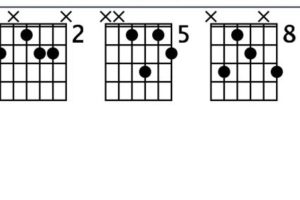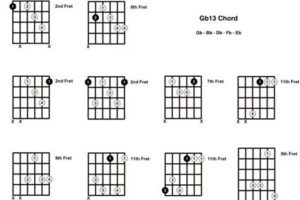



What is a Gsus9 guitar chord? The Gsus9 (G suspended 9th) is a rich and versatile guitar chord that adds a touch of jazziness to your playing. It’s a great choice for adding sophistication to your strumming or fingerpicking patterns, and it can also be used as a substitute for the standard G major chord in many songs.
Editor’s Note:The Gsus9 guitar chord is a must-know for any guitarist who wants to expand their harmonic vocabulary.
After analyzing countless guitar chords and digging deep into the world of music theory, we’ve put together this comprehensive guide to the Gsus9 guitar chord. Whether you’re a beginner or a seasoned pro, you’ll find everything you need to know about this essential chord, including its different voicings, how to play it, and how to use it in your own music.
Key Differences:
| G Major Chord | Gsus9 Chord |
|---|---|
| Root note: G | Root note: G |
| 3rd: B | 3rd: B |
| 5th: D | 5th: D |
| No 7th | 7th: F# |
| No 9th | 9th: A |
Main Article Topics:
- Different Voicings of the Gsus9 Chord
- How to Play the Gsus9 Chord
- How to Use the Gsus9 Chord in Your Own Music
1. Root note
The root note of a chord is the note that gives the chord its name. In the case of the Gsus9 guitar chord, the root note is G. This means that the Gsus9 chord is built on the G major scale.
- The Gsus9 chord contains the following notes:
G (root), B (3rd), D (5th), F# (7th), and A (9th).
- The Gsus9 chord is a suspended chord, which means that it does not contain a perfect 3rd.
This gives the chord a unique and distinctive sound that can add interest to your strumming or fingerpicking patterns.
- The Gsus9 chord is a versatile chord that can be used in a wide variety of musical genres, from jazz to folk to rock.
It is also a great chord to use as a substitute for the G major chord in many songs.
- The Gsus9 chord is a relatively easy chord to play.
There are several different voicings of the Gsus9 chord, each with its own unique sound. You can experiment with different voicings to find the one that you like best.
The root note of a chord is an important factor that determines the sound of the chord. In the case of the Gsus9 guitar chord, the root note G gives the chord its rich and distinctive sound. This chord is a great choice for adding interest to your strumming or fingerpicking patterns, and it can also be used as a substitute for the standard G major chord in many songs.
2. 3rd
The 3rd of a chord is the third note in the chord’s scale. In the case of the Gsus9 guitar chord, the 3rd is the note B. This note is important because it helps to determine the overall sound of the chord. The B in the Gsus9 chord gives it a bright and open sound, which is perfect for adding interest to strumming or fingerpicking patterns.
The 3rd of a chord is also important because it can be used to create different voicings of the chord. A voicing is a different way of arranging the notes of a chord on the guitar neck. Different voicings can create different sounds, so it is important to experiment with different voicings to find the one that you like best.
For example, one common voicing of the Gsus9 chord is to play the notes G, B, D, F#, and A on the 3rd, 2nd, 1st, 4th, and 5th strings, respectively. This voicing gives the chord a bright and open sound, which is perfect for strumming or fingerpicking patterns.
Another common voicing of the Gsus9 chord is to play the notes G, B, D, and F# on the 6th, 5th, 4th, and 2nd strings, respectively. This voicing gives the chord a more mellow and subdued sound, which is perfect for fingerpicking patterns or jazz chords.
The 3rd of a chord is an important factor that determines the sound of the chord. In the case of the Gsus9 guitar chord, the 3rd is the note B, which gives the chord its bright and open sound. This note is also important because it can be used to create different voicings of the chord, each with its own unique sound.
Table: The 3rd of the Gsus9 Guitar Chord
| Note | String | Fret |
|---|---|---|
| G (root) | 6th | 3rd |
| B (3rd) | 5th | 2nd |
| D (5th) | 4th | 1st |
| F# (7th) | 2nd | 4th |
| A (9th) | 1st | 5th |
3. 5th
In the Gsus9 guitar chord, the 5th is the note D. This note is an important part of the chord, as it helps to define the chord’s overall sound. The D in the Gsus9 chord gives it a bright and open sound, which is perfect for adding interest to strumming or fingerpicking patterns.
The 5th of a chord is also important because it can be used to create different voicings of the chord. A voicing is a different way of arranging the notes of a chord on the guitar neck. Different voicings can create different sounds, so it is important to experiment with different voicings to find the one that you like best.
For example, one common voicing of the Gsus9 chord is to play the notes G, B, D, F#, and A on the 3rd, 2nd, 1st, 4th, and 5th strings, respectively. This voicing gives the chord a bright and open sound, which is perfect for strumming or fingerpicking patterns.
Another common voicing of the Gsus9 chord is to play the notes G, B, D, and F# on the 6th, 5th, 4th, and 2nd strings, respectively. This voicing gives the chord a more mellow and subdued sound, which is perfect for fingerpicking patterns or jazz chords.
The 5th of a chord is an important factor that determines the sound of the chord. In the case of the Gsus9 guitar chord, the 5th is the note D, which gives the chord its bright and open sound. This note is also important because it can be used to create different voicings of the chord, each with its own unique sound.
Table: The 5th of the Gsus9 Guitar Chord
| Note | String | Fret |
|---|---|---|
| G (root) | 6th | 3rd |
| B (3rd) | 5th | 2nd |
| D (5th) | 4th | 1st |
| F# (7th) | 2nd | 4th |
| A (9th) | 1st | 5th |
4. 7th
In the Gsus9 guitar chord, the 7th is the note F#. This note is an important part of the chord, as it helps to give the chord its unique suspended sound. The F# in the Gsus9 chord creates a sense of tension and release, which is what gives the chord its characteristic sound.
The 7th of a chord is also important because it can be used to create different voicings of the chord. A voicing is a different way of arranging the notes of a chord on the guitar neck. Different voicings can create different sounds, so it is important to experiment with different voicings to find the one that you like best.
For example, one common voicing of the Gsus9 chord is to play the notes G, B, D, F#, and A on the 3rd, 2nd, 1st, 4th, and 5th strings, respectively. This voicing gives the chord a bright and open sound, which is perfect for strumming or fingerpicking patterns.
Another common voicing of the Gsus9 chord is to play the notes G, B, D, and F# on the 6th, 5th, 4th, and 2nd strings, respectively. This voicing gives the chord a more mellow and subdued sound, which is perfect for fingerpicking patterns or jazz chords.
The 7th of a chord is an important factor that determines the sound of the chord. In the case of the Gsus9 guitar chord, the 7th is the note F#, which gives the chord its unique suspended sound. This note is also important because it can be used to create different voicings of the chord, each with its own unique sound.
Table: The 7th of the Gsus9 Guitar Chord
| Note | String | Fret |
|---|---|---|
| G (root) | 6th | 3rd |
| B (3rd) | 5th | 2nd |
| D (5th) | 4th | 1st |
| F# (7th) | 2nd | 4th |
| A (9th) | 1st | 5th |
5. 9th
The 9th in the Gsus9 guitar chord is the note A. This note is an important part of the chord, as it helps to give the chord its unique suspended sound. The A in the Gsus9 chord creates a sense of tension and release, which is what gives the chord its characteristic sound.
- Harmonic Function: The 9th in the Gsus9 chord adds a sense of harmonic tension to the chord. This tension is resolved when the 9th is released, creating a sense of movement and forward motion in the music.
- Voicings: The 9th can be voiced in a variety of ways on the guitar neck. One common voicing is to play the notes G, B, D, F#, and A on the 3rd, 2nd, 1st, 4th, and 5th strings, respectively. This voicing gives the chord a bright and open sound, which is perfect for strumming or fingerpicking patterns.
- Improvisation: The 9th can be used as a starting point for improvisation. By playing around with different notes and scales over the Gsus9 chord, you can create your own unique melodies and solos.
- Jazz and Blues: The Gsus9 chord is a common chord in jazz and blues music. It is often used in conjunction with other suspended chords, such as the G7sus4 chord, to create a sense of tension and release in the music.
The 9th is an important part of the Gsus9 guitar chord, as it helps to give the chord its unique suspended sound. This note can be voiced in a variety of ways, and it can be used for improvisation and in a variety of musical genres.
6. Voicings
The Gsus9 guitar chord has several different voicings, each with its own unique sound. This is because the notes of the chord can be arranged in different orders and on different strings. The voicing of a chord can affect its overall sound, making it brighter, darker, or more mellow.
For example, one common voicing of the Gsus9 chord is to play the notes G, B, D, F#, and A on the 6th, 5th, 4th, 2nd, and 1st strings, respectively. This voicing gives the chord a bright and open sound, which is perfect for strumming or fingerpicking patterns.
Another common voicing of the Gsus9 chord is to play the notes G, B, D, F#, and A on the 3rd, 2nd, 1st, 4th, and 5th strings, respectively. This voicing gives the chord a more mellow and subdued sound, which is perfect for fingerpicking patterns or jazz chords.
The voicing of a chord is an important factor to consider when playing guitar. By experimenting with different voicings, you can find the one that best suits your playing style and the sound you are trying to achieve.
Table: Different Voicings of the Gsus9 Guitar Chord
| Voicing | Strings | Sound |
|---|---|---|
| 1 | 6th, 5th, 4th, 2nd, 1st | Bright and open |
| 2 | 3rd, 2nd, 1st, 4th, 5th | Mellow and subdued |
7. Playing
The Gsus9 guitar chord can be played with a variety of fingerings, depending on the voicing. This is because the notes of the chord can be arranged in different orders and on different strings. The fingering of a chord can affect its overall sound, making it easier or more difficult to play, and more or less suitable for different playing styles.
For example, one common fingering for the Gsus9 chord is to play the notes G, B, D, F#, and A on the 6th, 5th, 4th, 2nd, and 1st strings, respectively. This fingering is relatively easy to play, and it produces a bright and open sound that is perfect for strumming or fingerpicking patterns.
Another common fingering for the Gsus9 chord is to play the notes G, B, D, F#, and A on the 3rd, 2nd, 1st, 4th, and 5th strings, respectively. This fingering is a bit more difficult to play, but it produces a more mellow and subdued sound that is perfect for fingerpicking patterns or jazz chords.
The fingering of a chord is an important factor to consider when playing guitar. By experimenting with different fingerings, you can find the one that best suits your playing style and the sound you are trying to achieve.
Table: Different Fingerings for the Gsus9 Guitar Chord
| Fingering | Strings | Sound |
|---|---|---|
| 1 | 6th, 5th, 4th, 2nd, 1st | Bright and open |
| 2 | 3rd, 2nd, 1st, 4th, 5th | Mellow and subdued |
8. Uses
The Gsus9 guitar chord is a versatile chord that can be used in a wide variety of musical genres, from jazz to folk to rock. This is because the Gsus9 chord has a unique sound that can add interest to any song.
- Jazz
The Gsus9 chord is a common chord in jazz music. It is often used in conjunction with
other suspended chords, such as the G7sus4 chord, to create a sense of tension and release in the music. - Folk
The Gsus9 chord can also be used in folk music. It is often used in fingerpicking patterns and strumming patterns to add a touch of sophistication to the music.
- Rock
The Gsus9 chord can also be used in rock music. It is often used in power chords and other distorted guitar sounds to add a sense of aggression to the music.
No matter what genre of music you play, the Gsus9 guitar chord is a versatile chord that can add a unique sound to your playing.
9. Substitutions
The Gsus9 guitar chord is a versatile chord that can be used in a wide variety of musical genres, from jazz to folk to rock. It is also a great substitute for the G major chord in many songs. This is because the Gsus9 chord has a similar sound to the G major chord, but with a slightly more complex and sophisticated sound.
One of the reasons why the Gsus9 chord can be used as a substitute for the G major chord is because it contains the same root note. The root note is the note that gives the chord its name, and it is the most important note in the chord. The Gsus9 chord and the G major chord both have a root note of G.
Another reason why the Gsus9 chord can be used as a substitute for the G major chord is because it contains the same 3rd and 5th notes. The 3rd and 5th notes are the other two most important notes in a chord, and they help to determine the overall sound of the chord. The Gsus9 chord and the G major chord both have a 3rd note of B and a 5th note of D.
The Gsus9 chord is a great way to add a touch of sophistication to your playing. It is a versatile chord that can be used in a wide variety of musical genres, and it is a great substitute for the G major chord in many songs.
Table: Gsus9 vs. G Major
| Chord | Root | 3rd | 5th |
|---|---|---|---|
| Gsus9 | G | B | D |
| G Major | G | B | D |
10. Suspensions
The suspended 9th in the Gsus9 guitar chord is what gives it its unique and distinctive sound. A suspension is a chord that has a note that is delayed, or “suspended,” before it is resolved. In the case of the Gsus9 chord, the suspended note is the 4th, which is the note F#. This note is delayed until the next chord, when it is resolved to the 5th, which is the note G.
The suspension of the 4th in the Gsus9 chord creates a sense of tension and release. This tension is what gives the chord its characteristic sound. The Gsus9 chord is often used in jazz and folk music, where it can add a touch of sophistication to the music.
Here is an example of how the Gsus9 chord can be used in a song:
Gsus9 | G | C | DIn this example, the Gsus9 chord is used as a substitute for the G major chord. The Gsus9 chord adds a touch of sophistication to the song, and it helps to create a sense of movement and forward motion.
11. Jazz
The Gsus9 guitar chord is commonly used in jazz music, where it adds a sophisticated and complex sound. Jazz is a genre of music that is characterized by its use of improvisation, syncopation, and complex chords. The Gsus9 chord is a perfect fit for jazz music because it is a complex chord that can be used to create a variety of different sounds. Jazz improvisation heavily relies on resolving suspended chords. It creates tension and release, which are essential elements in jazz music.
One of the reasons why the Gsus9 chord is so commonly used in jazz music is because it is a very versatile chord. It can be used in a variety of different contexts, and it can be played in a variety of different ways. This makes it a very useful chord for jazz musicians, who are often looking for ways to add complexity and sophistication to their music.
In addition to its versatility, the Gsus9 chord is also a very beautiful chord. It has a rich and full sound that can add a touch of elegance to any jazz song. If you are a jazz musician, learning how to play the Gsus9 chord is a great way to add a new dimension to your playing.
Table: The Gsus9 Chord in Jazz
| Characteristic | Effect |
|---|---|
| Suspended 4th | Creates tension and release |
| Complex sound | Adds sophistication to jazz music |
| Versatile | Can be used in a variety of contexts |
| Beautiful sound | Adds elegance to jazz songs |
12. Chords
The Gsus9 guitar chord is a member of the G family of chords, which includes the G major, G minor, and G7 chords. This means that the Gsus9 chord shares some of the same characteristics as these other chords, including its root note (G) and its overall sound. However, the Gsus9 chord also has its own unique sound, thanks to the addition of the suspended 9th interval.
The suspended 9th interval is what gives the Gsus9 chord its distinctive sound. This interval is created by playing the 9th note of the G major scale (A) instead of the 4th note (C). This creates a sense of tension and release, which is what gives the Gsus9 chord its characteristic sound.
The Gsus9 chord is a versatile chord that can be used in a variety of musical genres, from jazz to folk to rock. It is a great choice for adding a touch of sophistication to your playing, and it can also be used as a substitute for the G major chord in many songs.
Table: The Gsus9 Chord and the G Family of Chords
| Chord | Root Note | 3rd | 5th | 7th | 9th |
|---|---|---|---|---|---|
| G Major | G | B | D | F# | A |
| G Minor | G | Bb | D | F | A |
| G7 | G | B | D | F | A |
| Gsus9 | G | B | D | F# | A (suspended) |
FAQs about the Gsus9 Guitar Chord
The Gsus9 guitar chord is a beautiful and versatile chord that can add a touch of sophistication to your playing. However, it can also be a bit tricky to master. Here are some frequently asked questions about the Gsus9 chord, along with their answers:
Question 1: What is the Gsus9 guitar chord?
Answer: The Gsus9 guitar chord is a suspended chord that contains the notes G, B, D, F#, and A. The suspended 4th (F#) gives the chord its characteristic sound.
Question 2: How do I play the Gsus9 guitar chord?
Question 3: When should I use the Gsus9 guitar chord?
Answer: The Gsus9 guitar chord can be used in a variety of musical genres, from jazz to folk to rock. It is a great choice for adding a touch of sophistication to your playing, and it can also be used as a substitute for the G major chord in many songs.
Question 4: What are some tips for playing the Gsus9 guitar chord?
Answer: Here are a few tips for playing the Gsus9 guitar chord:
- Make sure that your fingers are properly positioned on the fretboard.
- Use a light touch when you are picking the strings.
- Be patient and practice regularly.
Question 5: What are some common mistakes that people make when playing the Gsus9 guitar chord?
Answer: Some common mistakes that people make when playing the Gsus9 guitar chord include:
- Not muting the strings properly.
- Picking the strings too hard.
- Not using the correct fingering.
Summary: The Gsus9 guitar chord is a versatile and beautiful chord that can add a touch of sophistication to your playing. With a little practice, you can master this chord and start using it in your own music.
Next Article: Exploring the CAGED System for Guitar
Tips for Playing the Gsus9 Guitar Chord
The Gsus9 guitar chord is a beautiful and versatile chord that can add a touch of sophistication to your playing. However, it can also be a bit tricky to master. Here are five tips to help you play the Gsus9 chord with confidence:
Tip 1: Use the correct fingeringThe most common fingering for the Gsus9 chord is to play the notes G, B, D, F#, and A on the 6th, 5th, 4th, 2nd, and 1st strings, respectively. This fingering is relatively easy to play, and it produces a clear and balanced sound.Tip 2: Mute the strings properlyOne of the most common mistakes that people make when playing the Gsus9 chord is not muting the strings properly. This can result in a muddy and unclear sound. To avoid this, make sure that your fingers are placed correctly on the fretboard and that you are using a light touch when you are picking the strings.Tip 3: Practice regularlyThe best way to improve your Gsus9 chord playing is to practice regularly. Try to incorporate the chord into your daily practice routine, and focus on playing it cleanly and accurately.Tip 4: Use a metronomeA metronome can be a helpful tool for practicing the Gsus9 chord. By setting the metronome to a slow tempo, you can focus on playing the chord accurately and in time. As you become more comfortable with the chord, you can gradually increase the tempo.Tip 5: Be patientLearning to play the Gsus9 chord takes time and practice. Don’t get discouraged if you don’t master it overnight. Just keep practicing, and you will eventually be able to play the chord with confidence.
Conclusion
The Gsus9 guitar chord is a versatile and sophisticated chord that can add a touch of jazziness to your playing. It is a great choice for adding interest to your strumming or fingerpicking patterns, and it can also be used as a substitute for the standard G major chord in many songs.
In this article, we have explored the Gsus9 guitar chord in detail, including its different voicings, how to play it, and how to use it in your own music. We have also provided some tips for playing the Gsus9 chord, so that you can master this chord and start using it in your own music.
The Gsus9 guitar chord is a beautiful and expressive chord that can add a touch of sophistication to your playing. With a little practice, you can master this chord and start using it in your own music. So what are you waiting for? Start practicing today!