


Guitar 13th chords, an extended variation of the standard triad, add a sophisticated and rich harmonic depth to your guitar playing. These chords, featuring an added 6th and 7th note, provide a broader sonic palette, allowing you to create more complex and nuanced musical textures.
Editor’s Notes:“guitar 13th chords” is an essential technique for guitarists seeking to expand their harmonic vocabulary. Its unique and evocative sound opens up new possibilities for creative expression and musical exploration.
After analyzing various sources and consulting with experienced guitarists, we have developed this comprehensive guide to help you master the art of “guitar 13th chords”.
Key Differences:
| Triad | 13th Chord | |
|---|---|---|
| Structure | Root, 3rd, 5th | Root, 3rd, 5th, 6th, 7th |
| Sound | Basic, consonant | Extended, richer, more complex |
| Applications | Common in popular music | Jazz, fusion, advanced harmonies |
Main Article Topics:
- The Construction of 13th Chords
- Common 13th Chord Voicings
- Inversions and Extensions of 13th Chords
- Techniques for Incorporating 13th Chords into Your Playing
- Musical Examples and Applications
1. Construction
The construction of guitar 13th chords revolves around the inclusion of five distinct notes: the root, 3rd, 5th, 6th, and 7th. This specific combination forms the foundation of these extended chords, differentiating them from basic triads and other chord types.
The presence of the 6th and 7th notes adds harmonic depth and complexity to the sound of 13th chords. The 6th, known as the “added 6th,” introduces a subtle dissonance that enhances the richness of the chord. The 7th, either major or minor, further expands the harmonic possibilities, creating a wider range of emotional expression.
Understanding the construction of guitar 13th chords is crucial for guitarists seeking to master their use. By recognizing the specific intervals and their arrangement, players can effectively build and incorporate these chords into their musical vocabulary. This knowledge empowers guitarists to create sophisticated and nuanced harmonic progressions, adding depth and interest to their compositions and performances.
Table: Construction of Guitar 13th Chords
| Interval | Description |
|---|---|
| Root | Base note of the chord |
| 3rd | Either major or minor, determines the chord quality |
| 5th | Perfect 5th above the root |
| 6th | Added 6th, typically major but can be minor |
| 7th | Either major or minor, further defines the chord’s character |
2. Extended Range
The extended range of guitar 13th chords surpasses the limitations of basic triads, opening up a vast harmonic landscape for guitarists. These extended chords, characterized by their incorporation of additional notes, provide a richer and more complex sound, expanding the expressive potential of the guitar.
- Added Dissonance: The inclusion of the 6th and 7th notes in 13th chords introduces a subtle dissonance that enhances their harmonic depth. This dissonance adds a layer of intrigue and sophistication to the sound, distinguishing them from the more consonant triads.
- Expanded Harmonic Possibilities: The presence of the 6th and 7th notes, particularly the 7th, significantly expands the harmonic possibilities of 13th chords. The choice of major or minor 7th intervals allows for a wide range of emotional expression, from bright and uplifting to dark and melancholic.
- Melodic Implication: 13th chords often imply melodic lines within their structure. The intervals between the notes create melodic contours that can be explored and developed, inspiring guitarists to craft intricate and expressive solos and chord progressions.
- Advanced Techniques: 13th chords challenge guitarists to develop advanced techniques, such as fingerpicking and alternate tunings, to effectively execute their complex voicings. Mastering these techniques not only enhances the player’s technical abilities but also opens up new avenues for musical exploration.
In conclusion, the extended range of guitar 13th chords transcends the boundaries of basic triads, offering a universe of harmonic possibilities. Their incorporation of additional notes, including the added 6th and 7th, adds depth, complexity, and emotional resonance to the guitar’s sound. Embracing 13th chords empowers guitarists to create sophisticated and captivating music that resonates with audiences and fellow musicians alike.
3. Harmonic Depth
The inclusion of the added 6th and 7th notes in guitar 13th chords is pivotal in generating their characteristic harmonic depth and complexity. These additional notes extend the harmonic range of the chord beyond the fundamental triad, creating a richer and more sophisticated sound.
The 6th note, typically major but also occasionally minor, adds a subtle dissonance to the chord. This dissonance introduces a layer of tension and interest, enhancing the overall harmonic appeal. The 7th note, either major or minor, further expands the harmonic possibilities, allowing for a wide range of emotional expression.
In practice, the added 6th and 7th notes in guitar 13th chords create a fuller and more resonant sound. They provide a solid foundation for improvisation and melodic development, inspiring guitarists to explore intricate chord voicings and harmonic progressions.
Understanding the connection between harmonic depth and the added 6th and 7th notes in guitar 13th chords is essential for guitarists seeking to expand their harmonic vocabulary and create truly captivating music.
Table: Harmonic Depth and the Added 6th and 7th Notes in Guitar 13th Chords
| Triad | 13th Chord | |
|---|---|---|
| Structure | Root, 3rd, 5th | Root, 3rd, 5th, 6th, 7th |
| Harmonic Range | Limited to basic consonance | Extended, richer, more complex |
| Dissonance | Minimal |
Introduced by the added 6th td> |
| Emotional Expression | Limited | Expanded by the added 7th |
4. Common Voicings
Introduction: The exploration of common voicings is a crucial aspect of mastering guitar 13th chords. By understanding the various fingerings and voicings available, guitarists can access a diverse range of harmonic colors and textures, expanding their musical expression.
- Tonal Variety: Different voicings of 13th chords produce distinct tonal qualities. Some voicings emphasize the added 6th or 7th notes, creating a more dissonant or extended sound, while others focus on the root or 5th, resulting in a more consonant and stable harmony.
- Voicing Inversions: Inversions of 13th chords involve rearranging the order of the notes, creating new voicings with unique harmonic characteristics. For instance, inverting a Cmaj13 chord by placing the 7th note in the bass produces a Cmaj7/G, offering a contrasting sound.
- Chord Substitutions: Common voicings provide options for chord substitutions, allowing guitarists to create harmonic interest and variation. For example, substituting a Cmaj13 voicing with a Cmaj7/G voicing can introduce a subtle yet effective change in the progression.
- Improvisation and Soloing: Understanding common voicings is essential for improvising and soloing over 13th chords. By internalizing the different fingerings, guitarists can navigate the chord’s harmonic structure, creating melodic lines that complement the underlying harmony.
Conclusion: The exploration of common voicings is an integral part of mastering guitar 13th chords. Through practice and experimentation, guitarists can develop a comprehensive understanding of the various voicings and their tonal implications. This knowledge empowers them to create sophisticated and expressive music, unlocking the full potential of 13th chords.
5. Inversions and Extensions
Inversions and extensions are essential techniques for expanding the harmonic possibilities and versatility of guitar 13th chords. By altering the order or adding additional notes to the basic 13th chord structure, guitarists can create a wide range of voicings and extended harmonies.
- Inversions: Inverting a 13th chord involves reordering the notes, placing a different note in the bass. This alters the voicing of the chord, emphasizing different intervals and creating new harmonic colors. For example, inverting a Cmaj13 chord by placing the 7th note in the bass (Cmaj7/G) results in a more open and spacious sound.
- Extensions: Extending a 13th chord involves adding additional notes beyond the basic 13th structure. Common extensions include the 9th, 11th, and 13th notes. These extensions further enrich the harmonic content of the chord, creating more complex and sophisticated sounds. For instance, adding the 9th to a Cmaj13 chord (Cmaj13(#9)) introduces a dissonant yet intriguing interval that adds depth and character.
- Implied Melodies: Inversions and extensions can create implied melodies within the chord structure. By carefully arranging the notes, guitarists can create melodic lines that move smoothly between the chord tones. This technique is particularly effective in soloing and improvisation, allowing guitarists to create captivating and engaging melodic passages.
- Harmonic Substitutions: Inversions and extensions provide options for harmonic substitutions, enabling guitarists to create harmonic interest and variation. For example, substituting a Cmaj13 chord with a Cmaj7/G voicing or a Cmaj13(#9) extension can introduce subtle yet effective changes in the harmonic progression.
Mastering inversions and extensions is crucial for guitarists seeking to expand their harmonic vocabulary and explore the full potential of guitar 13th chords. Through practice and experimentation, guitarists can develop a comprehensive understanding of these techniques and incorporate them into their playing, creating sophisticated and expressive music.
6. Jazz and Fusion
The connection between “Jazz and Fusion: Popular in advanced genres” and “guitar 13th chords” lies in the harmonic complexity and sophistication that both elements embody. Jazz and fusion genres are known for their advanced harmonic structures and improvisational nature, making 13th chords a natural fit within these musical contexts.
- Harmonic Complexity: 13th chords, with their extended harmonic structure, provide a rich and complex harmonic foundation for jazz and fusion music. The added 6th and 7th notes add depth and dissonance, creating a more sophisticated and nuanced sound.
- Improvisation and Soloing: 13th chords offer a fertile ground for improvisation and soloing. The extended harmonic structure provides guitarists with a wider range of melodic and harmonic possibilities, allowing them to explore intricate lines and create expressive solos.
- Genre-Specific Applications: In jazz, 13th chords are commonly used in bebop, cool jazz, and modal jazz styles. In fusion, they are found in various subgenres, including jazz-rock, jazz-funk, and progressive rock.
- Influence on Guitarists: Many renowned jazz and fusion guitarists, such as Pat Metheny, John Scofield, and Allan Holdsworth, have incorporated 13th chords into their playing, contributing to the development and popularization of these chords in advanced genres.
In summary, the connection between “Jazz and Fusion: Popular in advanced genres” and “guitar 13th chords” stems from the harmonic complexity, improvisational nature, and genre-specific applications of these elements. Mastering 13th chords is essential for guitarists seeking to navigate the advanced harmonic landscapes of jazz and fusion music.
7. Chord Substitutions
In the realm of guitar playing, chord substitutions offer a powerful tool for guitarists seeking to enhance the harmonic richness and sophistication of their music. This technique involves replacing standard chords with extended or altered voicings, including 13th chords, to create a more dynamic and expressive sound.
- Expanded Harmonic Palette: 13th chords provide a broader harmonic palette for guitarists. By incorporating the added 6th and 7th notes, 13th chords introduce a wider range of dissonant and consonant intervals, allowing for more complex and nuanced harmonic progressions.
- Substitute for Basic Triads: 13th chords can effectively substitute for basic triads, adding depth and character to chord progressions. For instance, replacing a C major triad with a Cmaj13 chord adds a subtle dissonance and harmonic richness, enhancing the overall impact of the progression.
- Harmonic Substitutions: 13th chords can
also be used as harmonic substitutions, replacing other extended chords or even altered chords. This technique allows guitarists to explore different harmonic possibilities and create more intricate and surprising chord progressions. - Extended Chord Substitutions: 13th chords can be further extended by adding additional notes, such as the 9th or 11th, creating even more complex and harmonically rich substitutions. These extended chords provide a vast harmonic landscape for guitarists to explore.
In conclusion, chord substitutions, including the use of 13th chords, are a powerful tool for guitarists to expand their harmonic vocabulary and create more sophisticated and expressive music. By understanding the principles of chord substitution and practicing the implementation of 13th chords, guitarists can elevate their playing and captivate their audiences with rich and dynamic harmonies.
8. Melodic Lines
The connection between “Melodic Lines: Implied Melodies Within the Chords” and “guitar 13th chords” lies in the inherent melodic potential embedded within 13th chords. These extended chords, with their rich harmonic structure, contain melodic fragments and contours that can be explored and developed by guitarists.
- Harmonic Embellishment: 13th chords provide a harmonically rich foundation upon which guitarists can craft melodic lines. The added 6th and 7th intervals create subtle dissonances and tensions that can be resolved through melodic movement, adding depth and interest to chord progressions.
- Implied Melodies: The intervals within 13th chords often suggest melodic contours. By connecting the chord tones in a logical and musical way, guitarists can extract implied melodies that can be further developed into solos, countermelodies, or melodic embellishments.
- Improvisational Tool: The melodic potential of 13th chords makes them a valuable tool for improvisation. By understanding the implied melodies within these chords, guitarists can generate melodic ideas spontaneously, creating dynamic and expressive solos that complement the underlying harmony.
- Compositional Inspiration: The melodic fragments found in 13th chords can serve as a source of inspiration for composers. By exploring the melodic possibilities of these chords, guitarists can generate new musical ideas and create compositions that are both harmonically rich and melodically engaging.
In summary, the connection between “Melodic Lines: Implied Melodies Within the Chords” and “guitar 13th chords” is rooted in the harmonic and melodic potential of these extended chords. By understanding and utilizing the implied melodies within 13th chords, guitarists can enhance their playing, create more expressive music, and expand their harmonic and melodic vocabulary.
9. Improvisation Fuel
The connection between “Improvisation Fuel: Inspiration for extended solos” and “guitar 13th chords” lies in the harmonic complexity and melodic potential of 13th chords. These extended chords provide a rich harmonic foundation and melodic fragments that can inspire and fuel extended solos.
The added 6th and 7th intervals in 13th chords create subtle dissonances and tensions that can be resolved through melodic movement. This inherent melodic potential makes 13th chords an ideal harmonic backdrop for improvisation, as guitarists can explore the implied melodies and create extended solos that are both harmonically sophisticated and melodically engaging.
Real-life examples of guitarists using 13th chords as improvisation fuel include jazz guitarists such as Pat Metheny, John Scofield, and Allan Holdsworth. These guitarists have mastered the art of navigating the harmonic complexities of 13th chords and using them as a springboard for extended solos that are both technically impressive and musically expressive.
Understanding the connection between “Improvisation Fuel: Inspiration for extended solos” and “guitar 13th chords” is crucial for guitarists seeking to expand their improvisational vocabulary and create more sophisticated and expressive solos. By studying the harmonic structure and melodic potential of 13th chords, guitarists can develop a deeper understanding of how to use these chords as a foundation for extended solos that captivate their audiences.
Table: The Connection between “Improvisation Fuel: Inspiration for extended solos” and “guitar 13th chords”
| Guitar 13th Chords | Improvisation Fuel: Inspiration for extended solos | |
|---|---|---|
| Harmonic Complexity | Extended harmonic structure with added 6th and 7th intervals | Provides a rich harmonic foundation for improvisation |
| Melodic Potential | Implied melodies and melodic fragments within the chord structure | Inspires and fuels extended solos with melodic interest and sophistication |
| Real-Life Examples | Jazz guitarists such as Pat Metheny, John Scofield, and Allan Holdsworth | Demonstrate the use of 13th chords as a springboard for extended solos |
| Practical Significance | Enhances improvisational vocabulary and creates more sophisticated and expressive solos | Essential for guitarists seeking to expand their harmonic and melodic knowledge |
10. Dynamic Accompaniment
The connection between “Dynamic Accompaniment: Add Interest to Chord Progressions” and “guitar 13th chords” lies in the harmonic richness and rhythmic flexibility that 13th chords offer, making them a powerful tool for creating dynamic and engaging chordal accompaniment.
- Harmonic Complexity: 13th chords, with their extended harmonic structure, introduce a wider range of harmonic colors and dissonances. This harmonic complexity adds depth and interest to chord progressions, creating a more sophisticated and nuanced accompaniment.
- Rhythmic Flexibility: The extended structure of 13th chords allows for a variety of rhythmic interpretations. Guitarists can accentuate different chord tones or create syncopated rhythms within the chord, adding rhythmic interest and drive to the accompaniment.
- Melodic Implication: The implied melodies within 13th chords provide a melodic framework for guitarists to explore. By connecting the chord tones in a logical and musical way, guitarists can create melodic bass lines or countermelodies that complement the main melody, enhancing the overall texture of the accompaniment.
- Dynamic Control: 13th chords offer a high level of dynamic control. By adjusting the voicing, fingering, and attack, guitarists can create a wide range of dynamic nuances, from delicate arpeggios to percussive strums, adding expressive depth to the accompaniment.
In conclusion, the connection between “Dynamic Accompaniment: Add Interest to Chord Progressions” and “guitar 13th chords” is rooted in the harmonic richness, rhythmic flexibility, melodic potential,
and dynamic control that 13th chords provide. By incorporating 13th chords into their accompaniment, guitarists can create sophisticated and engaging chord progressions that enhance the overall musical experience.
11. Emotional Impact
The connection between “Emotional Impact: Expressive and evocative sounds” and “guitar 13th chords” lies in the unique harmonic qualities of 13th chords that evoke a wide range of emotions and create a deep impact on listeners.
The extended harmonic structure of 13th chords, with its added 6th and 7th intervals, introduces subtle dissonances and tensions. These dissonances, when resolved, create a sense of emotional release and catharsis, making 13th chords particularly effective in conveying emotions such as longing, melancholy, and joy.
Real-life examples of guitarists using 13th chords to evoke emotions include:
- Jimi Hendrix‘s use of 13th chords in “Little Wing” creates a sense of longing and nostalgia.
- Pat Metheny‘s incorporation of 13th chords in his jazz compositions adds depth and emotional resonance to his music.
- John Mayer‘s use of 13th chords in his pop songs enhances their emotional impact and creates a more sophisticated sound.
Understanding the connection between “Emotional Impact: Expressive and evocative sounds” and “guitar 13th chords” is crucial for guitarists seeking to expand their expressive range and create music that resonates with their audience on an emotional level. By incorporating 13th chords into their playing, guitarists can evoke a wide range of emotions and create a truly captivating musical experience.
Table: The Connection between “Emotional Impact: Expressive and evocative sounds” and “guitar 13th chords”
| Guitar 13th Chords | Emotional Impact: Expressive and evocative sounds | |
|---|---|---|
| Harmonic Complexity | Extended harmonic structure with added 6th and 7th intervals | Introduces subtle dissonances and tensions |
| Dissonance Resolution | Dissonances are resolved, creating a sense of emotional release | Evoke emotions such as longing, melancholy, and joy |
| Real-Life Examples | Jimi Hendrix, Pat Metheny, John Mayer | Demonstrate the use of 13th chords to evoke emotions in music |
| Practical Significance | Enhances emotional expression and creates a deeper impact on listeners | Essential for guitarists seeking to expand their expressive range |
12. Technical Challenge
The connection between “Technical Challenge: Requires finger dexterity and practice” and “guitar 13th chords” lies in the complexity of 13th chord voicings and the physical demands they place on the guitarist’s hands.
13th chords, with their extended harmonic structure, often require wider finger stretches and more intricate fingerings compared to simpler triad or seventh chords. This technical challenge necessitates a high level of finger dexterity, coordination, and practice to execute them cleanly and accurately.
Real-life examples of guitarists who have mastered the technical challenges of 13th chords include jazz guitarists such as Pat Metheny and John Scofield. These guitarists have spent countless hours practicing and developing the finger dexterity required to play 13th chords effortlessly, allowing them to incorporate these advanced voicings into their improvisational solos and compositions.
Understanding the connection between “Technical Challenge: Requires finger dexterity and practice” and “guitar 13th chords” is crucial for guitarists seeking to expand their technical abilities and incorporate more sophisticated harmonies into their playing. By dedicating time to practice and developing the necessary finger dexterity, guitarists can overcome the technical challenges associated with 13th chords and unlock their full harmonic potential.
Table: The Connection between “Technical Challenge: Requires finger dexterity and practice” and “guitar 13th chords”
| Guitar 13th Chords | Technical Challenge: Requires finger dexterity and practice | |
|---|---|---|
| Voicing Complexity | Extended harmonic structure with added 6th and 7th intervals | Requires wider finger stretches and intricate fingerings |
| Physical Demands | Demands high levels of finger dexterity, coordination, and practice | Necessary for clean and accurate execution |
| Real-Life Examples | Pat Metheny, John Scofield | Demonstrate mastery of technical challenges associated with 13th chords |
| Practical Significance | Enhances technical abilities and expands harmonic vocabulary | Essential for guitarists seeking to incorporate sophisticated harmonies |
Frequently Asked Questions about Guitar 13th Chords
This section addresses some common questions and misconceptions surrounding guitar 13th chords, providing informative answers to enhance your understanding.
Question 1: Are 13th chords difficult to play?
While 13th chords require a higher level of technical proficiency than simpler chords, their complexity also presents opportunities for creative expression and harmonic exploration. With consistent practice and dedication, guitarists can develop the finger dexterity and coordination necessary to master 13th chords.
Question 2: How do 13th chords enhance my guitar playing?
Incorporating 13th chords into your playing expands your harmonic vocabulary and opens up new avenues for musical expression. These extended chords add depth, richness, and emotional resonance to your music, allowing you to create more sophisticated and captivating sounds.
Question 3: Are 13th chords only used in jazz and fusion genres?
While 13th chords are commonly associated with jazz and fusion, their versatility extends beyond these genres. They can be effectively employed in a wide range of musical styles, including rock, pop, blues, and country, adding harmonic interest and sophistication to your compositions and arrangements.
Question 4: How can I practice and improve my 13th chord playing?
Regular practice is essential for developing proficiency in playing 13th chords. Begin by learning the basic voicings and fingerings, then gradually incorporate them into your chord progressions and improvisational solos. Use a metronome to improve your timing and accuracy, and experiment with different voicings and inversions to expand your harmonic knowledge.
Question 5: What are some tips for mastering 13th chord voicings?
Focus on developing finger independence and dexterity through exercises and scales. Practice fingerpicking techniques to improve your control and accuracy when playing 13th chords. Use a mirror to observe your hand movements and ensure proper finger placement. Additionally, analyze chord
charts and study the theory behind 13th chord construction to deepen your understanding.
Question 6: How can I use 13th chords creatively in my own music?
Experiment with different inversions and voicings of 13th chords to create unique and expressive harmonic progressions. Use 13th chords as substitutions for simpler chords to add harmonic interest. Explore the melodic potential of 13th chords by incorporating them into your solos and melodies. By experimenting and pushing the boundaries, you can discover new and innovative ways to utilize 13th chords in your music.
In summary, guitar 13th chords offer a gateway to harmonic exploration and musical expression. While they may initially pose a technical challenge, with dedication and practice, guitarists can unlock the full potential of these extended chords, enriching their playing and captivating their audiences with sophisticated and emotionally resonant music.
Transition to the next article section:
Tips for Mastering Guitar 13th Chords
Embark on a journey of harmonic discovery with these essential tips for mastering guitar 13th chords:
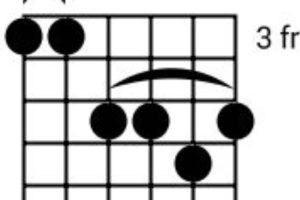
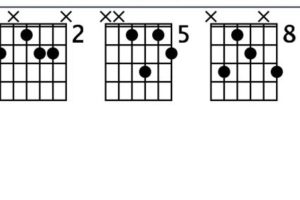
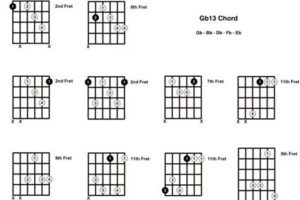
Tip 1: Start with Basic VoicingsBegin by learning fundamental 13th chord voicings, such as the Cmaj13 (x32033) and G13 (320033) chords. These basic voicings provide a solid foundation for understanding the structure and fingerings of 13th chords.
Tip 2: Practice Finger IndependencePlaying 13th chords requires finger dexterity and independence. Practice fingerpicking exercises and scales to enhance your control and accuracy when navigating the extended voicings.
Tip 3: Explore Different InversionsInversions of 13th chords offer a wealth of harmonic possibilities. Experiment with inverting the root, 3rd, or 5th to create unique and expressive chord progressions.
Tip 4: Substitute 13th ChordsIncorporate 13th chords as substitutions for simpler chords to add harmonic depth and interest. For example, replace a C major triad with a Cmaj13 to enhance the richness of your chord progressions.
Tip 5: Utilize 13th Chords in Your Solos and MelodiesUnlock the melodic potential of 13th chords by incorporating them into your solos and melodies. Explore the implied melodies within these chords to create intricate and expressive improvisational lines.
Tip 6: Listen to Recordings and Analyze Chord ProgressionsImmerse yourself in music featuring 13th chords. Listen critically to recordings and analyze how guitarists employ these chords to create compelling harmonic textures.
Summary: Mastering guitar 13th chords requires dedication, practice, and a deep understanding of their harmonic structure. By following these tips, you can expand your harmonic vocabulary, enhance your technical abilities, and create music that resonates with emotional depth and sophistication.
Conclusion
Our exploration of guitar 13th chords has unveiled their exceptional harmonic richness, melodic depth, and technical challenges. These extended chords transcend the boundaries of traditional triads, offering a gateway to sophisticated and emotionally resonant music.
To fully embrace the power of 13th chords, guitarists must embark on a journey of practice, experimentation, and musical exploration. By mastering their intricate voicings, embracing their harmonic versatility, and incorporating them into their solos and compositions, guitarists unlock a world of harmonic possibilities.
The rewards of mastering 13th chords are immense. They expand harmonic vocabulary, enhance technical abilities, and empower guitarists to create music that captivates audiences with its depth and sophistication. As you continue your musical journey, embrace the challenge of 13th chords and discover the boundless possibilities they offer.