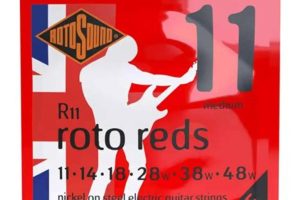
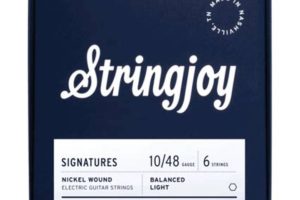
When it comes to choosing the right guitar strings, two of the most popular options are 9-42 and 10-46. But what’s the difference between these two sets of strings, and which one is right for you?
Editor’s Note:Understanding the differences between guitar strings 9-42 vs 10-46 is crucial for guitarists of all levels as it can significantly impact the playability, tone, and overall feel of the instrument.
To help you make the right decision, we’ve put together this comprehensive guide to guitar strings 9-42 vs 10-46. We’ll cover the key differences between these two sets of strings, as well as their respective pros and cons.
Here’s a table summarizing the key differences between guitar strings 9-42 and 10-46:
| Feature | 9-42 | 10-46 |
|---|---|---|
| String gauges | .009, .011, .016, .024, .032, .042 | .010, .013, .017, .026, .036, .046 |
| Tension | Lower | Higher |
| Playability | Easier to bend | More difficult to bend |
| Tone | Brighter, twangier | Warmer, fuller |
As you can see, there are some significant differences between guitar strings 9-42 and 10-46. Ultimately, the best way to decide which set of strings is right for you is to try them out for yourself and see which ones you prefer. However, we can provide some general guidance based on your playing style and the type of music you play.
If you’re a beginner or you prefer a lighter touch, then 9-42 strings may be a good choice for you. They’re easier to bend and fret, and they produce a brighter, twangier tone. However, if you’re a more experienced player or you prefer a heavier sound, then 10-46 strings may be a better option. They’re more difficult to bend, but they produce a warmer, fuller tone with more sustain.
No matter which set of strings you choose, make sure to get them professionally installed and intonated. This will ensure that your guitar plays its best and sounds its best.
1. String Tension
The tension of a guitar string is determined by its thickness and the pitch to which it is tuned. Thicker strings have higher tension, while thinner strings have lower tension. This is because thicker strings require more force to stretch to the same pitch as thinner strings.
- Tonal Impact: String tension has a significant impact on the tone of a guitar. Higher tension strings produce a brighter, more articulate sound, while lower tension strings produce a warmer, more mellow sound. This is because higher tension strings vibrate more quickly, resulting in a brighter sound.
- Playability: String tension also affects the playability of a guitar. Higher tension strings are more difficult to bend and fret, while lower tension strings are easier to bend and fret. This is because higher tension strings require more force to stretch and deform.
- String: String tension also affects the lifespan of a guitar string. Higher tension strings are more likely to break than lower tension strings. This is because higher tension strings are under more stress and are more likely to fail under tension.
- Guitar Setup: The tension of your guitar strings will also affect the setup of your guitar. Guitars with higher tension strings will need to be set up with a higher action (the distance between the strings and the fretboard) than guitars with lower tension strings. This is because higher tension strings will pull the neck of the guitar forward, causing the strings to buzz against the frets.
Understanding the relationship between string tension and guitar strings 9-42 vs 10-46 is essential for guitarists of all levels. By choosing the right string tension for your playing style and the type of music you play, you can optimize the tone, playability, and lifespan of your guitar strings.
2. Playability
In the realm of guitar strings, the playability factor holds significant importance, and the difference between 9-42 and 10-46 strings is particularly noteworthy in this regard. The playability of a guitar string is primarily determined by its tension and thickness. Thinner strings, such as 9-42 strings, have lower tension and are easier to bend compared to thicker strings like 10-46 strings.
- Bending Techniques: Bending strings is a fundamental technique used by guitarists to add expression and create unique sounds. Easier bending facilitated by 9-42 strings allows guitarists to execute bends with greater control and precision, enabling them to explore various musical styles and techniques more effectively.
- Fretting Comfort: The lower tension of 9-42 strings also translates to enhanced fretting comfort. Guitarists can press down on the strings with less force, reducing fatigue and strain on their fingers, especially during extended playing sessions or intricate fretwork.
- Faster Playing: The reduced tension of 9-42 strings contributes to faster playing speeds. This is particularly advantageous for lead guitarists and soloists who require rapid string changes and complex fingerings. The easier bending and fretting allow for smoother and more fluid execution of guitar parts.
- Suitable for Beginners: The playability advantages of 9-42 strings make them a popular choice for beginner guitarists. The lower tension and easier bending facilitate the learning process, allowing aspiring guitarists to develop their skills and techniques more comfortably.
In summary, the playability aspect of 9-42 strings, characterized by easier bending and fretting, offers numerous benefits to guitarists. These advantages range from enhanced expressiveness and comfort to improved speed and suitability for beginners, ultimately contributing to a more enjoyable and fulfilling playing experience.
3. Tone
The tone of a guitar string is primarily determined by its thickness and tension. Thinner strings, such as 9-42 strings, produce a brighter, twangier tone, while thicker strings, such as 10-46 strings, produce a warmer, fuller tone. This is because thinner strings vibrate more quickly, producing a brighter sound, while thicker strings vibrate more slowly, producing a warmer sound.
The tone of your guitar strings is an important factor to consider when choosing a set of strings. If you’re looking for a brighter, twangier sound, then 9-42 strings may be a good choice for you. If you’re looking for a warmer, fuller sound, then 10-46 strings may be a better option.
Here are some examples of how
the tone of your guitar strings can affect your playing:
- If you’re playing a country or folk song, you may want to use 9-42 strings to get a brighter, twangier sound.
- If you’re playing a rock or blues song, you may want to use 10-46 strings to get a warmer, fuller sound.
- If you’re playing a jazz song, you may want to use a combination of 9-42 and 10-46 strings to get a well-rounded sound.
Ultimately, the best way to decide which set of strings is right for you is to try out different sets and see which ones you prefer. However, understanding the relationship between string thickness, tension, and tone can help you make a more informed decision.
Here’s a table summarizing the key differences between the tone of 9-42 and 10-46 strings:
| String Gauge | Tone |
|---|---|
| 9-42 | Brighter, twangier |
| 10-46 | Warmer, fuller |
4. Durability
The durability of guitar strings is an important factor to consider, especially for guitarists who play frequently or who use their guitars for extended periods. Thicker strings, such as 10-46 strings, are generally more durable than thinner strings, such as 9-42 strings. This is because thicker strings have a larger cross-sectional area, which makes them less susceptible to breakage.
There are several reasons why guitarists might prefer more durable strings. For example, guitarists who play in bands that perform live frequently may want to use more durable strings to reduce the risk of a string breaking during a performance. Additionally, guitarists who use their guitars for recording may want to use more durable strings to ensure that their guitars stay in tune for longer periods of time.
While more durable strings can be beneficial, it is important to note that they can also be more difficult to play. This is because thicker strings have higher tension, which makes them more difficult to bend and fret. As a result, guitarists who are new to playing the guitar may want to start with thinner strings and then switch to thicker strings as they become more experienced.
Here are some tips for extending the lifespan of your guitar strings:
- Wipe down your strings with a clean cloth after each use to remove dirt and sweat.
- Avoid touching the strings with your bare hands, as the oils from your skin can cause them to corrode.
- Store your guitar in a cool, dry place when you are not using it.
- If you are not going to be using your guitar for an extended period of time, loosen the strings to reduce the tension on them.
By following these tips, you can help to extend the lifespan of your guitar strings and keep your guitar sounding its best.
Here’s a table summarizing the key points discussed above:
| Characteristic | 9-42 Strings | 10-46 Strings |
|---|---|---|
| Durability | Less durable | More durable |
| Playability | Easier to play | More difficult to play |
| Tone | Brighter, twangier | Warmer, fuller |
5. Cost
The cost of guitar strings is an important factor to consider for guitarists of all levels. 9-42 strings are typically less expensive than 10-46 strings, making them a more budget-friendly option for many guitarists.
- Affordability: The lower cost of 9-42 strings makes them a more accessible option for guitarists who are on a budget. This is especially important for beginner guitarists who may not want to invest a lot of money in their first set of strings.
- Bulk Purchases: 9-42 strings are often sold in bulk packs, which can save guitarists money in the long run. This is a great option for guitarists who use a lot of strings or who want to stock up on their favorite strings.
- Variety: 9-42 strings are available in a wide variety of brands and materials, so guitarists can find the perfect strings for their needs and budget.
While 10-46 strings may be more expensive than 9-42 strings, they offer some advantages that may be worth the extra cost for some guitarists. For example, 10-46 strings have a warmer, fuller tone and are more durable than 9-42 strings. Ultimately, the best way to decide which set of strings is right for you is to try out different sets and see which ones you prefer.
6. Availability
The availability of guitar strings is an important factor to consider for guitarists, especially those who live in remote areas or who travel frequently. 9-42 strings are more widely available than 10-46 strings, making them a more convenient option for many guitarists.
There are several reasons why 9-42 strings are more widely available than 10-46 strings. First, 9-42 strings are the standard gauge for acoustic guitars. This means that most guitar manufacturers produce 9-42 strings, and they are therefore more likely to be stocked in music stores. Second, 9-42 strings are also popular for electric guitars, especially among beginner and intermediate players. This means that they are also more likely to be stocked in music stores that cater to electric guitarists.
The wider availability of 9-42 strings makes them a more convenient option for guitarists who need to replace their strings quickly and easily. This is especially important for guitarists who are on tour or who play in bands that perform frequently.
Here’s a table summarizing the key points discussed above:
| Characteristic | 9-42 Strings | 10-46 Strings |
|---|---|---|
| Availability | More widely available | Less widely available |
| Reasons for wider availability |
Standard gauge for acoustic guitars Popular for electric guitars among beginner and intermediate players |
Not the standard gauge for acoustic guitars Less popular for electric guitars among beginner and intermediate players |
| Convenience | More convenient for guitarists who need to replace their strings quickly and easily | Less convenient for guitarists who need to replace their strings quickly and easily |
7. Style
The choice of guitar strings can significantly impact the overall sound and feel of your playing, and the style of music you play is a key factor to consider when choosing the right strings for your needs. 9-42 strings are often used for lighter styles of music, such as country and folk, while 10-46 strings are often used for heavier styles of music, such as rock and metal.
- String Tension: The tension of your strings is a major factor in determining the overall sound and feel of your playing. 9-42 strings have lower tension than 10-46 strings
, which makes them easier to bend and fret. This makes them a good choice for lighter styles of music, such as country and folk, where bending and fretting are common techniques. - Tone: The thickness of your strings also affects the tone of your guitar. 9-42 strings are thinner than 10-46 strings, which gives them a brighter, twangier sound. This makes them a good choice for lighter styles of music, such as country and folk, where a brighter sound is often desired.
- Durability: The thickness of your strings also affects their durability. 10-46 strings are thicker than 9-42 strings, which makes them more durable. This makes them a good choice for heavier styles of music, such as rock and metal, where the strings are often subjected to more aggressive playing.
- Playability: The tension and thickness of your strings also affect the playability of your guitar. 9-42 strings are easier to bend and fret than 10-46 strings, which makes them a good choice for beginners or players with smaller hands. 10-46 strings are more difficult to bend and fret, but they offer a fuller, richer sound that is often preferred by experienced players.
Ultimately, the best way to choose the right guitar strings for your needs is to experiment with different gauges and brands to find what works best for you. However, understanding the relationship between string gauge, tension, and tone can help you make an informed decision that will help you achieve the sound and feel you’re looking for.
8. Preference
The choice between 9-42 and 10-46 guitar strings ultimately depends on personal preference. No single set of strings is objectively better than the other, and the best way to determine which set is right for you is to experiment with both and see which ones you prefer. However, there are several factors to consider when making this decision, such as your playing style, the type of guitar you play, and the sound you’re trying to achieve.
- Playing Style: Your playing style can influence your choice of strings. If you play a lot of lead guitar or do a lot of bending, you may prefer 9-42 strings, as they are easier to bend. If you play a lot of rhythm guitar or strum chords, you may prefer 10-46 strings, as they offer a fuller, richer sound.
- Type of Guitar: The type of guitar you play can also affect your choice of strings. 9-42 strings are often used on acoustic guitars, while 10-46 strings are often used on electric guitars. However, there is no hard and fast rule, and you can use either set of strings on either type of guitar.
- Sound: The sound you’re trying to achieve is another important factor to consider. 9-42 strings produce a brighter, twangier sound, while 10-46 strings produce a warmer, fuller sound. If you’re not sure which sound you prefer, experiment with both sets of strings and see which ones you like better.
Once you’ve considered all of these factors, the best way to decide which set of strings is right for you is to try them out and see which ones you prefer. There is no right or wrong answer, and ultimately the best set of strings for you is the one that sounds and feels the best to you.
Frequently Asked Questions About Guitar Strings 9-42 vs 10-46
This section addresses frequently asked questions about guitar strings 9-42 vs 10-46 to provide comprehensive information for guitarists.
Question 1: What is the main difference between 9-42 and 10-46 guitar strings?
Answer: The main difference between 9-42 and 10-46 guitar strings is their thickness. 9-42 strings are thinner than 10-46 strings, which affects their tension, tone, playability, and durability.
Question 2: Which guitar strings are better for beginners?
Answer: 9-42 strings are generally better for beginners because they are easier to bend and fret due to their lower tension. This makes them more comfortable to play and allows beginners to focus on developing their technique.
Question 3: What type of music are 9-42 strings best suited for?
Answer: 9-42 strings are best suited for lighter styles of music, such as country, folk, and pop, where a brighter, twangier sound is desired.
Question 4: What type of music are 10-46 strings best suited for?
Answer: 10-46 strings are best suited for heavier styles of music, such as rock, blues, and metal, where a warmer, fuller sound is desired.
Question 5: Can I use 9-42 strings on an electric guitar?
Answer: Yes, you can use 9-42 strings on an electric guitar. However, 10-46 strings are more commonly used on electric guitars because they provide a fuller, richer sound that is often preferred for heavier styles of music.
Question 6: Can I use 10-46 strings on an acoustic guitar?
Answer: Yes, you can use 10-46 strings on an acoustic guitar. However, 9-42 strings are more commonly used on acoustic guitars because they are easier to bend and fret, and they produce a brighter, twangier sound that is often preferred for lighter styles of music.
These are just a few of the most frequently asked questions about guitar strings 9-42 vs 10-46. By understanding the differences between these two types of strings, you can make an informed decision about which set of strings is right for your playing style and the type of music you play.
Ultimately, the best way to decide which set of strings is right for you is to try out both 9-42 and 10-46 strings and see which ones you prefer. There is no right or wrong answer, and the best set of strings for you is the one that sounds and feels the best to you.
Now that you have a better understanding of guitar strings 9-42 vs 10-46, you can confidently choose the right set of strings for your guitar and playing style. Remember to experiment with different gauges and brands to find the perfect strings for your needs.
Tips for Choosing the Right Guitar Strings
Selecting the right guitar strings is crucial for achieving the desired sound and playability. Here are some tips to guide you through the process:
Tip 1: Consider Your Playing Style
- If you play lead guitar or do a lot of bending, opt for 9-42 strings for their ease of bending.
- For rhythm guitar or strumming chords, 10-46 strings offer a fuller, richer sound.
Tip 2: Match the Guitar Type
- 9-42 strings are commonly used on acoustic guitars for their brighter, twangier sound.
- 10-46 strings are more prevalent on electric guitars, providing a warmer, fuller tone.
Tip 3: Experiment with Different Brands
- String brands vary in materials and construction, affecting tone and feel.
- Try out different brands to find the ones that suit your preferences and playing style.
Tip 4: Pay Attention to String Tension
- 9-42 strings have lower tension, making them easier to bend and fret.
- 10-46 strings have higher tension, resulting in a firmer feel and increased durability.
Tip 5: Consider String Durability
- 10-46 strings are generally more durable due to their thicker gauge.
- If you play aggressively or frequently, 10-46 strings may withstand the wear and tear better.
Tip 6: Don’t Neglect S
tring Maintenance
- Regularly clean your strings to remove dirt and oils that can affect their tone and lifespan.
- Store your guitar in a climate-controlled environment to prevent string corrosion.
Tip 7: Seek Professional Advice if Needed
- If you’re unsure about choosing the right strings or have specific requirements, consult with a guitar technician or experienced player.
- They can provide personalized guidance based on your individual needs.
By following these tips, you can make informed decisions when selecting guitar strings, ensuring you have the optimal strings for your playing style, guitar type, and desired sound.
Remember, the best strings for you are the ones that feel and sound the best to you. Experiment with different options and find the strings that inspire your playing and bring your music to life.
Conclusion
In exploring the nuances of guitar strings 9-42 vs 10-46, we have unveiled the intricacies that differentiate these two popular string gauges. Whether you seek the flexibility and brightness of 9-42 strings or the fullness and durability of 10-46 strings, understanding their characteristics empowers you to make an informed choice tailored to your playing style and musical aspirations.
Remember, the strings you choose are not merely accessories but integral components that shape the voice of your guitar. Experiment with both gauges, embrace the unique qualities they offer, and discover the strings that resonate with your musical soul. As you continue your musical journey, may your guitar strings inspire endless creativity and bring your melodies to life.