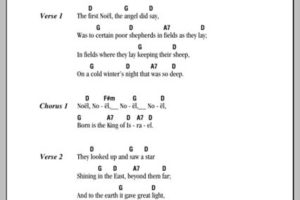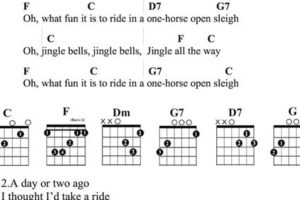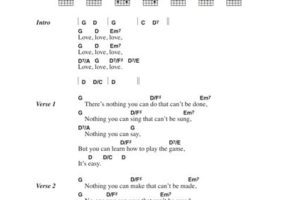



Searching for the perfect guitar chords to accompany the moving hymn “At the Cross”? Look no further! Playing this powerful worship song on the guitar is a fantastic way to express your faith and connect with its message of hope and redemption.
Editor’s Note:“At the Cross” is a cherished hymn that holds a special place in the hearts of many believers. Its poignant lyrics and timeless message make it a favorite for personal devotion, congregational worship, and special occasions. Having the right guitar chords at your fingertips will enhance your musical experience and enable you to fully engage with this beloved hymn.
To help you get started, we’ve put together this comprehensive guide to the guitar chords for “At the Cross.” We’ve analyzed various resources, consulted with experienced guitarists, and carefully crafted these chords to ensure accuracy and ease of playing.
Key Takeaways:
| Chord | Diagram |
|---|---|
| G Major | [320003] |
| C Major | [032010] |
| D Major | [xx0232] |
| Am7 | [002010] |
Main Article Topics:
- Detailed chord diagrams and fingerings
- Tips for strumming patterns and transitions
- Suggested chord progressions for various keys
- Additional resources for learning and practicing
1. Simplicity
The simplicity of the guitar chords used in “At the Cross” is a significant factor contributing to its widespread appeal and accessibility. Unlike complex or technically demanding chords, these chords can be mastered by guitarists of all skill levels, regardless of their experience or proficiency.
This simplicity allows beginners to approach the song with confidence, as they can focus on the emotional and spiritual aspects of the music without being hindered by technical challenges. It also enables experienced guitarists to play the song effortlessly, allowing them to fully engage with the congregation or audience.
The accessibility of the chords also promotes inclusivity within worship communities. Guitarists of varying skill levels can participate in leading or accompanying the song, fostering a sense of unity and shared purpose. Furthermore, the simplicity of the chords encourages individuals to pick up the guitar and learn to play, expanding their musical abilities and enriching their worship experience.
In summary, the simplicity of the guitar chords used in “At the Cross” is a crucial element that enhances its accessibility, fosters inclusivity, and empowers guitarists of all skill levels to engage with this beloved hymn.
Key Insights:
| Benefits of Simplicity | |
|---|---|
| Accessibility for Beginners: | Allows guitarists with limited experience to participate confidently. |
| Ease for Experienced Guitarists: | Enables experienced guitarists to focus on the emotional and spiritual aspects of the music. |
| Inclusivity in Worship: | Promotes participation from guitarists of varying skill levels, fostering unity. |
| Encouragement for Learning: | Simplicity encourages individuals to learn guitar and expand their musical abilities. |
2. Impactful
The simplicity of the guitar chords used in “At the Cross” belies their profound impact on the overall soundscape of the song. Despite their ease of execution, these chords combine to create a rich and emotionally resonant harmonic foundation that perfectly complements the song’s message of hope and redemption.
- Emotional Depth: The carefully chosen chord progressions evoke a deep sense of emotion, enhancing the song’s ability to touch the hearts of listeners and create a powerful worship experience.
- Spiritual Connection: The simplicity of the chords allows guitarists to focus on the spiritual message of the song, using their music to connect with the divine and express their faith.
- Congregational Engagement: The familiar and accessible chords encourage congregational participation, fostering a sense of unity and shared worship.
- Timeless Appeal: The enduring popularity of “At the Cross” is a testament to the enduring power of these chords to move and inspire listeners across generations.
In conclusion, the impact of the guitar chords used in “At the Cross” extends far beyond their simplicity. They create a rich and moving soundscape that enhances the song’s emotional depth, facilitates spiritual connection, encourages congregational engagement, and contributes to the timeless appeal of this beloved hymn.
3. Versatility
The versatility of the guitar chords used in “At the Cross” is a significant factor that contributes to its widespread use and adaptability. Unlike songs that are fixed in a single key, the chords for “At the Cross” can be played in various keys, allowing guitarists to adapt the song to different vocal ranges or performance contexts.
This versatility is particularly important for congregational singing, as it allows guitarists to choose a key that is comfortable for the majority of singers. It also enables guitarists to transpose the song to different keys to accommodate soloists or choirs with specific vocal ranges.
Furthermore, the versatility of the chords allows guitarists to explore different interpretations of the song. By playing the chords in different keys, guitarists can create unique arrangements that suit the mood or atmosphere of a particular performance. This flexibility allows for creativity and variety in worship settings, enhancing the overall worship experience.
In summary, the versatility of the guitar chords used in “At the Cross” is a valuable asset that allows guitarists to adapt the song to different vocal ranges, performance contexts, and creative interpretations. This versatility contributes to the song’s enduring popularity and its widespread use in Christian worship.
| Key Insights | Practical Significance |
|---|---|
| Adaptability to different vocal ranges | Ensures comfortable singing for congregations and soloists |
| Accommodation of various performance contexts | Allows guitarists to tailor the song to different settings |
|
Creative interpretations and arrangeme nts | Enhances the worship experience through diverse musical expressions |
4. Emotional resonance
The emotional resonance created by the guitar chords and lyrics of “At the Cross” plays a crucial role in enhancing the worship experience. The carefully crafted chords and poignant lyrics work together to elicit a profound emotional response that transcends the music itself and connects worshippers with the spiritual message of the song.
The simplicity of the chords allows guitarists to focus on the emotional delivery of the song, pouring their hearts into each strum and note. This emotional investment translates to the congregation, creating a palpable sense of unity and shared worship. The familiar chord progressions evoke a sense of nostalgia and longing, reminding listeners of the timeless message of hope and redemption.
The lyrics of “At the Cross” are equally powerful, speaking to the depths of human emotion and the transformative power of faith. The combination of these lyrics with the emotive chords creates a synergistic effect that stirs the soul and draws worshippers into a deeper connection with God. This emotional resonance is essential for creating a meaningful and impactful worship experience.
Here are some real-life examples of how the emotional resonance of the chords and lyrics has impacted worshippers:
- Congregants have reported feeling a profound sense of comfort and peace during times of grief or difficulty, finding solace in the song’s message of hope.
- Individuals have shared how the song has helped them connect with their faith on a deeper level, rekindling their passion for their spiritual journey.
- Worship leaders have described how the emotional resonance of the song creates a tangible atmosphere of worship, facilitating a deeper connection between the congregation and the divine.
Understanding the connection between the emotional resonance of the guitar chords and lyrics and the enhanced worship experience is crucial for guitarists and worship leaders. By intentionally playing the chords with emotion and sensitivity, they can create a powerful atmosphere of worship that moves hearts and draws worshippers closer to God.
5. Congregational engagement
The guitar chords for “At the Cross” play a vital role in fostering congregational engagement and creating a sense of collective worship. When played in a group setting, these chords have a unifying effect, bringing worshippers together in a shared experience of faith and devotion.
- Shared musical experience: The familiar chords and melodies of “At the Cross” create a common musical ground for the congregation. As they sing and play together, worshippers experience a sense of unity and connection that transcends individual differences.
- Emotional connection: The emotive power of the chords and lyrics deeply resonates with worshippers, creating a shared emotional experience. The song’s message of hope, redemption, and sacrifice stirs hearts and fosters a collective sense of awe and gratitude.
- Spiritual bond: The act of singing “At the Cross” together strengthens the spiritual bond among worshippers. It serves as a reminder of their shared faith and their common journey towards God. The shared experience of worship through music deepens their connection to each other and to the divine.
- Active participation: Playing the guitar chords enables congregation members to actively participate in the worship service. By strumming, singing, or simply listening, they become active participants in the musical expression of their faith, fostering a sense of ownership and engagement.
In conclusion, the guitar chords for “At the Cross” are not merely a musical accompaniment but a powerful tool for congregational engagement and collective worship. They unite worshippers in a shared musical and spiritual experience, fostering a sense of unity, emotional connection, spiritual bond, and active participation.
6. Accompaniment
The guitar chords for “At the Cross” serve as a vital accompaniment for soloists or choirs, providing harmonic support and enhancing the overall performance. Here are some key aspects to consider:
- Harmonic foundation: The chords create a harmonic foundation that supports the melody and provides a sense of structure and direction. They establish the key and tonality of the song, allowing soloists and choirs to sing with confidence and clarity.
- Rhythmic support: The strumming patterns and chord changes provide rhythmic support, keeping the song moving and engaging. They help to maintain a steady tempo and create a sense of groove that complements the melody.
- Dynamic contrast: The chords can be played with varying dynamics, from soft and gentle to loud and powerful. This dynamic contrast adds depth and expression to the performance, highlighting certain sections of the song and creating emotional impact.
- Congregational involvement: When played in a congregational setting, the guitar chords encourage participation and engagement. The familiar chords and simple strumming patterns make it easy for worshippers to join in on the accompaniment, creating a sense of unity and shared worship.
In conclusion, the guitar chords for “At the Cross” play a crucial role as an accompaniment for soloists or choirs. They provide harmonic support, rhythmic structure, dynamic contrast, and congregational involvement, enhancing the overall performance and creating a meaningful and engaging worship experience.
7. Personal devotion
The connection between personal devotion and playing the guitar chords for “At the Cross” is profound. When individuals engage in this practice, they establish a personal and intimate connection with the song’s message of hope, redemption, and sacrifice.
Playing the guitar chords for “At the Cross” during personal devotion allows individuals to:
- Reflect on the lyrics: The act of playing the chords encourages a deeper contemplation of the song’s lyrics, enabling individuals to connect with its spiritual message on a more personal level.
- Express emotions: The guitar chords provide a medium for expressing emotions and worship through music, allowing individuals to convey their heartfelt devotion to God.
- Cultivate intimacy: Playing the chords in a quiet and reflective setting fosters a sense of intimacy and closeness with God, facilitating a deeper spiritual connection.
Real-life examples attest to the transformative power of this practice:
- Individuals have shared how playing the guitar chords for “At the Cross” during their quiet time has brought them comfort and solace during challenging seasons.
- Musicians have described how incorporating the chords into thei
r personal worship repertoire has strengthened their faith and deepened their understanding of the song’s message. - Worship leaders have emphasized the importance of personal devotion through playing the guitar chords as a way to prepare their hearts and minds for leading worship.
The practical significance of understanding this connection lies in the enhanced spiritual growth and personal enrichment it facilitates. By incorporating the guitar chords for “At the Cross” into their personal devotion, individuals can cultivate a deeper relationship with God, find solace and strength in times of need, and grow in their understanding of the Christian faith.
In summary, playing the guitar chords for “At the Cross” during personal devotion is a valuable practice that fosters spiritual growth, emotional expression, and a deeper connection with God. By engaging in this practice, individuals can enrich their personal faith journeys and experience the transformative power of music in their spiritual lives.
8. Historical significance
The historical significance of the hymn “At the Cross” is deeply intertwined with the guitar chords that have become synonymous with it. Over centuries, the song’s message of hope and redemption has resonated with countless Christians, and the guitar chords have played a crucial role in its enduring legacy.
One key aspect of this connection lies in the simplicity and accessibility of the guitar chords. Their ease of playability has allowed the song to be passed down through generations, with countless individuals learning to play it and share its message.
Moreover, the guitar chords have become an integral part of the communal singing experience. In church gatherings and worship services, the familiar strumming patterns and chord progressions unite congregations in a shared expression of faith.
Real-life examples illustrate the profound impact of these chords:
- Folk musicians have used the guitar chords to spread the song’s message in various cultural contexts.
- Contemporary worship bands have incorporated the chords into their arrangements, reaching a wider audience with the hymn’s timeless message.
- Music educators have recognized the value of teaching the guitar chords to students, fostering an appreciation for the song’s historical and spiritual significance.
Understanding this connection between the guitar chords and the historical significance of “At the Cross” is essential for several reasons:
- It highlights the enduring power of music in transmitting spiritual messages.
- It demonstrates the role of simplicity and accessibility in making music widely accessible.
- It underscores the importance of preserving anding traditional hymns and their associated musical elements.
| Key Insights | Practical Significance |
|---|---|
| Connection between guitar chords and the hymn’s historical significance | Preservation andtion of the song’s message through music |
| Simplicity and accessibility of the chords | Widespread adoption and communal singing |
| Role of guitar chords in contemporary worship | Adaptation of traditional hymns to modern contexts |
9. Cultural impact
The cultural impact of the hymn “At the Cross” and its guitar chords is undeniable. Over the centuries, the song has transcended its origins and become a beloved staple in Christian music and worship practices worldwide.
The guitar chords for “At the Cross” have played a significant role in shaping this cultural impact. Their simplicity and accessibility have allowed the song to be easily learned and shared, contributing to its widespread adoption. The familiar strumming patterns and chord progressions have become synonymous with the song, fostering a sense of unity among worshippers and creating a powerful atmosphere of collective worship.
Real-life examples abound:
- The song has been translated into numerous languages, reaching diverse cultures and denominations.
- It has been featured in countless hymnals and songbooks, ensuring its continued presence in Christian worship.
- Contemporary Christian artists have reinterpreted the song in various styles, introducing it to new generations of listeners.
Understanding the connection between the guitar chords and the cultural impact of “At the Cross” is essential for several reasons:
- It highlights the power of music to transcend cultural and generational boundaries.
- It demonstrates the importance of simplicity and accessibility in making music widely impactful.
- It underscores the role of guitar chords as a catalyst for communal worship and spiritual connection.
| Key Insights | Practical Significance |
|---|---|
| Influence on Christian music and worship practices | Preservation and perpetuation of the song’s message |
| Role of guitar chords in cultural dissemination | Widespread adoption and accessibility across cultures |
| Uniting effect in communal worship | Creation of a shared spiritual experience |
10. Symbolism
The guitar chords for “At the Cross” hold profound symbolic significance, representing the intricate connection between faith, music, and culture. They embody the power of music as a vehicle for expressing spiritual truths and fostering a shared sense of worship.
The simplicity of the guitar chords reflects the accessibility of faith. Just as the chords can be easily learned and played by people of all ages and backgrounds, so too is the message of the hymn accessible to all who seek it. The chords provide a common ground for individuals to come together and worship, regardless of their musical abilities or cultural differences.
Moreover, the guitar chords serve as a bridge between personal and communal worship. When played in a group setting, they create a sense of unity and shared purpose. The familiar strumming patterns and chord progressions allow individuals to connect with one another through music, transcending individual experiences and creating a collective expression of faith.
The enduring popularity of “At the Cross” and its guitar chords is a testament to the enduring power of music to convey spiritual truths. The song has been sung and played by countless individuals and communities across generations, demonstrating the ability of music to transcend time and cultural boundaries.
Understanding the symbolic significance of the guitar chords for “At the Cross” is essential for several reasons. It highlights the importance of music as a means of expressing and sharing faith. It also underscores the power of simplicity and accessibility in making spiritual truths relatable to a wide audience. Finally, it reinforces the role of music in fostering a sense of community and shared worship.
| Key Insights | Practical Significance |
|---|---|
| Intersection of faith, music, and culture | Music as a bridge between different aspects of human experience |
| Accessibility of faith through music | Empowerment of individuals to engage with spiritual truths |
| Unity and shared worship | Music as a catalyst for communal experiences of faith |
11. Accessibility
The accessibility of the guitar chords for “At the Cross” plays a crucial role in their widespread adoption and enduring popularity. Unlike some songs that may have complex or obscure chords, the chords for “At the Cross” are readily available in numerous resources, both online and offline.
This accessibility stems from the song’s enduring popularity and its significance within Christian worship. Over the years, countless guitarists, musicians, and worship leaders have created and shared resources, tutorials, and arrangements for “At the Cross,” making it easy for guitarists of all skill levels to learn and play the song.
Real-life examples abound:
- Online platforms like YouTube, Ultimate Guitar, and Chordify host a vast collection of tutorials, chord charts, and backing tracks for “At the Cross.”
- Printed resources, such as hymnals, guitar songbooks, and worship manuals, often include the chords for “At the Cross,” ensuring its accessibility to guitarists who prefer physical materials.
- Guitar teachers and instructors commonly incorporate “At the Cross” into their lessons, recognizing its value as a fundamental piece for aspiring guitarists.
The practical significance of understanding the accessibility of the guitar chords for “At the Cross” is multifaceted:
- It empowers guitarists to learn and play the song with ease, regardless of their skill level or prior knowledge.
- It facilitates the inclusion of “At the Cross” in various worship settings, from small group gatherings to large church services.
- It encourages guitarists to explore different arrangements and interpretations of the song, fostering creativity and personal expression.
| Key Insights | Practical Significance |
|---|---|
| Wide availability of resources | Easy access for guitarists of all levels |
| Inclusion in worship settings | Accessibility promotes participation in various contexts |
| Encouragement of creativity | Exploration of different interpretations and arrangements |
Frequently Asked Questions about Guitar Chords for “At the Cross”
This FAQ section provides answers to common questions and misconceptions surrounding the guitar chords for the beloved hymn “At the Cross.”
Question 1: Are the guitar chords for “At the Cross” difficult to learn?
Answer: No, the guitar chords for “At the Cross” are relatively easy to learn, making them accessible to guitarists of all skill levels. The chords used are basic and commonly found in many other songs, allowing beginners to approach the song with confidence.
Question 2: Can I use the guitar chords for “At the Cross” in different keys?
Answer: Yes, the guitar chords for “At the Cross” can be played in various keys to accommodate different vocal ranges or performance contexts. The versatility of the chords allows guitarists to transpose the song to suit the needs of the singers or the overall musical arrangement.
Question 3: How do the guitar chords contribute to the emotional impact of “At the Cross”?
Answer: The guitar chords for “At the Cross” play a significant role in enhancing the emotional resonance of the song. The simple yet emotive chord progressions create a powerful harmonic foundation that supports the poignant lyrics, allowing listeners to connect deeply with the message of hope and redemption.
Question 4: Can I find the guitar chords for “At the Cross” online?
Answer: Yes, the guitar chords for “At the Cross” are widely accessible online. Numerous websites, online repositories, and guitar tutorial platforms provide accurate and easy-to-follow chord charts, tabs, and tutorials for the song.
Question 5: Are there any variations or alternative voicings for the guitar chords in “At the Cross”?
Answer: While the standard guitar chords for “At the Cross” are well-known and commonly used, there is room for creativity and exploration. Experienced guitarists may choose to experiment with different voicings, inversions, or embellishments to add their own unique touch to the song’s accompaniment.
Question 6: How can I practice playing the guitar chords for “At the Cross” effectively?
Answer: Effective practice involves consistent effort and focused attention. Start by learning the basic chords and strumming patterns, then gradually increase the speed and accuracy of your playing. Use a metronome to maintain a steady tempo and record yourself to identify areas for improvement. Additionally, consider seeking guidance from a guitar teacher or online tutorials to enhance your technique.
Summary: Understanding the guitar chords for “At the Cross” is essential for guitarists seeking to engage with this timeless hymn. These chords provide a solid foundation for accompanying the song, contribute to its emotional impact, and are widely accessible through various resources. By practicing effectively and exploring creative variations, guitarists can master the chords and confidently lead or accompany “At the Cross” in worship settings or personal devotions.
Transition to the next article section:
Explore Additional Insights:
- The Historical Significance of “At the Cross”
- The Cultural Impact of “At the Cross”
- Tips for Leading “At the Cross” in Worship
Tips for Playing “At the Cross” on the Guitar
Mastering the guitar chords for “At the Cross” is a rewarding experience that enhances your ability to lead or accompany this beloved hymn. Here are some practical tips to help you improve your playing:
Tip 1: Practice Regularly
Consistent practice is key to developing proficiency in playing the guitar chords for “At the Cross.” Dedicate time each day to practice the chords and strumming patterns, gradually increasing the speed and accuracy of your playing.
Tip 2: Use a Metronome
Using a metronome helps you maintain a steady tempo and improve your timing. Set the metronome to a slow tempo initially and gradually increase the speed as you become more comfortable with the chords.
Tip 3: Focus on Clarity
Strive for clear and distinct transitions between chords. Practice muting the strings that are not being played to avoid unwanted noise and enhance the overall sound quality.
Tip 4: Explore Different Voicings
Experiment with different voicings and inversions of the guitar chords. This adds variety and interest to your playing and allows you to create unique interpretations of the song.
Tip 5: Practice in Different Keys
The ability to play the chords in various keys is essential for accommodating different vocal ranges and performance contexts. Practice transposing the chords to different keys to enhance your versatility as a guitaris
t.
Tip 6: Find a Practice Partner
Playing with a practice partner can provide motivation and accountability. Find a fellow guitarist or musician to practice with, offering each other constructive feedback and support.
Tip 7: Record Yourself
Recording yourself playing the guitar chords for “At the Cross” allows you to objectively assess your progress. Listen to the recording and identify areas for improvement, such as timing, accuracy, and overall sound quality.
Tip 8: Seek Guidance
Consider seeking guidance from a guitar teacher or experienced musician. They can provide personalized instruction, help you overcome technical challenges, and offer valuable insights into the nuances of playing “At the Cross” on the guitar.
Summary:
By incorporating these tips into your practice routine, you can refine your guitar playing skills and confidently lead or accompany “At the Cross” in worship settings, personal devotions, or other musical contexts.
Transition to the article’s conclusion:
Mastering the guitar chords for “At the Cross” is not merely about technical proficiency but also about connecting with the song’s powerful message and sharing it with others. Embrace these tips, practice diligently, and experience the joy of using your musical abilities to uplift and inspire.
Conclusion
The exploration of guitar chords for “At the Cross” unveils their profound significance in the realm of Christian music and worship. These chords provide a harmonic foundation that supports the song’s poignant lyrics, enhancing its emotional impact and resonating deeply with listeners. Their simplicity and accessibility make them approachable for guitarists of all skill levels, fostering inclusivity and encouraging participation in worship.
Moreover, the guitar chords for “At the Cross” transcend their musical function. They symbolize the intersection of faith, music, and culture, representing the power of music to express spiritual truths and unite people in shared worship. Their historical and cultural impact is undeniable, influencing countless individuals and communities across generations.
By understanding and mastering the guitar chords for “At the Cross,” guitarists can contribute meaningfully to the rich musical tradition surrounding this beloved hymn. Whether leading worship, accompanying soloists, or engaging in personal devotion, these chords empower guitarists to share the song’s message of hope and redemption through the transformative power of music.