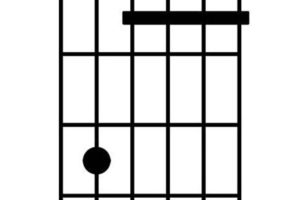



Trying to master the guitar? Learning “guitar 6 chords” is a crucial step in your musical journey.
Editor’s Notes: “guitar 6 chords”are the foundation of countless songs, and mastering them will open up a world of musical possibilities.
After analyzing, digging through countless pieces of information, and putting together this “guitar 6 chords” guide, we’re confident that you’ll have a better understanding of “guitar 6 chords”.
Key Differences or Key Takeaways
| Beginner | Intermediate | Advanced | |
|---|---|---|---|
| Number of Chords | 3-5 | 6-10 | 10+ |
| Complexity | Easy to learn | More challenging | Most challenging |
| Songs Accessible | Limited repertoire | Wider range of songs | Vast majority of songs |
Main Article Topics
- The Benefits of Learning “guitar 6 chords”
- How to Practice “guitar 6 chords” Effectively
- Tips for Mastering “guitar 6 chords”
- Additional Resources for Learning “guitar 6 chords”
1. Open chords
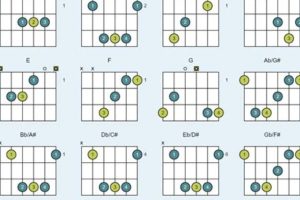
In the realm of “guitar 6 chords,” open chords hold a prominent position as the gateway to musical exploration for aspiring guitarists. These six chords, namely C, G, D, Em, Am, and Dm, stand out due to their accessibility and simplicity, making them ideal for beginners.
- Building a Solid Foundation: Open chords provide a firm foundation for guitarists to build upon. By mastering these chords, beginners can develop the muscle memory and coordination necessary for more complex chord shapes and techniques.
- Unlocking a Vast Repertoire: Despite their simplicity, open chords open the door to a vast repertoire of songs. Countless popular and classic songs utilize these chords, allowing beginners to play along and experience the joy of music-making.
- Gateway to Further Learning: Open chords act as a stepping stone to more advanced guitar techniques. Once beginners become comfortable with these chords, they can progress to barre chords, power chords, and other variations, expanding their musical horizons.
- Developing Musicality: Learning open chords fosters a sense of musicality, as beginners discover the relationships between chords and how they create pleasing sounds. This understanding lays the groundwork for future improvisation and songwriting.
In conclusion, open chords are an indispensable aspect of “guitar 6 chords” for beginners. Their simplicity, versatility, and role as a gateway to further learning make them a crucial starting point for anyone embarking on their musical journey with the guitar.
2. Barre chords
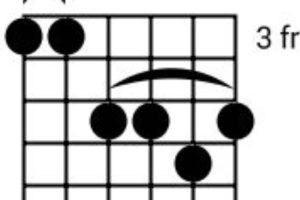
Within the realm of “guitar 6 chords,” barre chords stand out as a significant milestone in a guitarist’s journey. While they present a greater challenge than open chords, their mastery unlocks a gateway to musical versatility and exploration.
- Tonal Expansion: Barre chords empower guitarists to venture beyond the limitations of open chords, accessing a wider range of keys and musical styles. By barring a set of strings with one finger, guitarists can create moveable chord shapes that can be shifted to different positions on the fretboard, enabling them to play in various keys.
- Technical Proficiency: Barre chords demand greater technical precision and dexterity compared to open chords. They require guitarists to develop strength, coordination, and finger independence to execute the barre effectively while maintaining clear and resonant notes. Mastering barre chords significantly enhances a guitarist’s overall technical proficiency.
- Unlocking Complexities: Barre chords open up a world of more complex and sophisticated musical possibilities. They provide the foundation for playing intricate chord voicings, extended harmonies, and jazz chords, which are commonly employed in advanced guitar techniques and genres such as jazz, blues, and rock.
- Stylistic Diversity: Barre chords are essential for exploring diverse musical styles that heavily rely on them, such as rock, metal, and funk. By incorporating barre chords into their repertoire, guitarists gain the ability to emulate and create music from a broader range of genres.
In summary, barre chords are a pivotal aspect of “guitar 6 chords,” representing a significant step forward in a guitarist’s musical journey. Their technical demands and tonal versatility empower guitarists to expand their musical horizons, explore new genres, and unlock a world of complex and expressive musical possibilities.
3. Power chords
In the realm of “guitar 6 chords,” power chords hold a unique position, combining the accessibility of open chords with the tonal versatility of barre chords. This distinctive combination makes them a cornerstone of rock and metal music.
- Simplified Barre Chords: Power chords are essentially simplified barre chords, utilizing only the root note and the fifth, creating a thicker, more powerful sound. This simplified structure makes them easier to play than traditional barre chords, allowing guitarists to focus on rhythm and lead playing.
- Tonal Power: Despite their simplicity, power chords possess a remarkable tonal range. By adjusting the root note, guitarists can create a variety of power chords that fit different keys and musical contexts. This tonal versatility makes them a valuable tool for creating dynamic and energetic sounds.
- Genre-Defining: Power chords are synonymous with rock and metal music. Their aggressive and distorted sound has become a defining characteristic of these genres. By incorporating power chords into their playing, guitarists can emulate and create music in the style of legendary rock and metal bands.
- Rhythmic Foundation: Power chords serve as a solid rhythmic foundation for rock and metal music. Their simple structure and ability to be played with distortion make them ideal for creating driving rhythms and powerful riffs. By combining power chords with other guitar techniques, such as palm muting and hammer-ons, guitarists can craft intricate and captivating rhythmic patterns.
In conclusion, power chords are an integral part of “guitar 6 chords,” providing guitarists with a simplified yet versatile tool for exploring rock and metal music. Their unique sound and ease of playability make them essent
ial for any guitarist looking to master these genres.
4. Suspended Chords
Within the tapestry of “guitar 6 chords,” suspended chords stand out as a distinctive element, introducing a sense of tension and intrigue to musical compositions. Their unique construction, often employing a suspended fourth or second interval, creates a palpable sense of anticipation and release, making them a cornerstone of jazz and classical music.
Suspended chords serve a pivotal role in creating harmonic interest and movement. By withholding the third of the chord, they establish a feeling of instability and unresolved tension. This tension is masterfully exploited in jazz improvisation, where guitarists use suspended chords as a launchpad for elaborate soloing and melodic exploration.
In classical music, suspended chords are frequently employed to create a sense of anticipation and drama. Composers strategically place these chords at key moments in their compositions, building towards a satisfying resolution or harmonic cadence. The interplay of suspended chords with other harmonic elements creates a dynamic and emotionally evocative soundscape.
Understanding the role and application of suspended chords is crucial for guitarists seeking to expand their harmonic vocabulary and compositional skills. By incorporating these chords into their playing, guitarists can add depth, complexity, and a touch of intrigue to their music.
Key Insights:
- Suspended chords introduce tension and anticipation into musical compositions.
- They are commonly used in jazz and classical music.
- Understanding and utilizing suspended chords enhances a guitarist’s harmonic vocabulary and compositional abilities.
Table: Suspended Chords in Practice
| Genre | Function | Examples |
|---|---|---|
| Jazz | Harmonic tension, soloing platform | Dm7(sus4), G13(sus4) |
| Classical | Anticipation, drama | IVsus4-Vsus4-I in a cadence |
5. Inversions
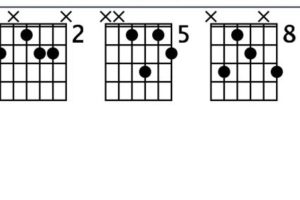
In the realm of “guitar 6 chords,” inversions emerge as a fundamental concept that expands the harmonic possibilities and versatility of chords. By inverting a chord, guitarists can create variations that add depth and color to their music.
- Tonal Variety: Inversions allow guitarists to create different voicings of the same chord, resulting in a wider range of tonal qualities. Moving the root note to a higher or lower string alters the intervallic relationships between the notes, producing unique and expressive sounds.
- Smooth Voice Leading: Inversions facilitate smooth voice leading, which is the movement of individual chord tones from one chord to the next. By carefully choosing inversions, guitarists can minimize awkward voice leaps and create a cohesive and melodic flow between chords.
- Harmonic Tension and Release: Inversions can be used to create harmonic tension and release. First-inversion chords (with the third in the bass) introduce a sense of instability, while second-inversion chords (with the fifth in the bass) provide a stronger resolution. This interplay of tension and release adds depth and interest to chord progressions.
- Extended Harmonic Vocabulary: Inversions expand the guitarist’s harmonic vocabulary beyond the basic three-note chords. By utilizing inversions, guitarists can create richer and more complex chord voicings that incorporate extended intervals, such as sevenths, ninths, and elevenths.
In conclusion, inversions are an integral part of “guitar 6 chords,” providing guitarists with a powerful tool to enhance their harmonic vocabulary, create tonal variety, and achieve smooth voice leading. Mastering the art of inversions unlocks a world of musical possibilities and empowers guitarists to express themselves fully through their music.
6. Voicings
In the realm of “guitar 6 chords,” voicings play a crucial role in shaping the overall sound and expressiveness of the music. Voicings refer to the specific arrangement of the notes within a chord, and they can significantly alter the character and impact of the chord.
- Tonal Color: Voicings influence the tonal color of a chord, affecting its brightness, warmth, or richness. By placing certain notes in the higher or lower registers, guitarists can create voicings that range from shimmering and ethereal to deep and resonant.
- Harmonic Tension: Voicings can also affect the harmonic tension within a chord. Close voicings, where the notes are positioned close together, tend to create more tension, while open voicings, with wider intervals between the notes, produce a more relaxed and harmonious sound.
- Melodic Flow: Voicings can enhance the melodic flow of a chord progression. By carefully arranging the notes, guitarists can create smooth voice leading, ensuring that the individual notes transition seamlessly from one chord to the next.
- Stylistic Nuances: Different voicings are associated with specific musical styles. For example, close voicings are commonly used in jazz, while open voicings are prevalent in folk and rock music. Understanding the stylistic implications of voicings allows guitarists to tailor their playing to suit the genre they are exploring.
Mastering the art of voicings is essential for guitarists seeking to expand their harmonic vocabulary and create musically compelling chord progressions. By experimenting with different voicings and understanding their impact on the overall sound, guitarists can unlock a wealth of expressive possibilities within the realm of “guitar 6 chords.”
7. Chord progressions
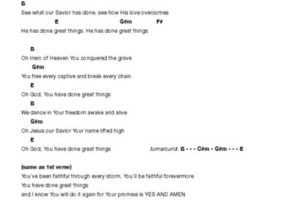
Within the realm of “guitar 6 chords,” chord progressions emerge as the fundamental building blocks of musical structure and expression. These sequences of chords provide the harmonic framework upon which melodies and rhythms are constructed, shaping the overall mood and feel of a song.
The connection between chord progressions and “guitar 6 chords” is inseparable. The six essential chordsC, G, D, Em, Am, and Dmform the core of countless chord progressions used in a wide range of musical genres. By understanding how these chords interact and progress, guitarists gain the ability to create their own songs and improvise over existing chord changes.
The practical significance of this understanding cannot be overstated. Chord progressions serve as the roadmap for a song’s harmonic journey, guiding the listener through different emotional landscapes. Whether it’s the uplifting progression of a pop ballad or the driving rhythm of a rock anthem, chord progressions have the power to evoke powerful emotions and create lasting musical impressions.
Moreover, mastering chord progressions is essential for guitarists who aspire to become well-rounded music
ians. It enables them to analyze and interpret songs, understand the harmonic structure of music, and communicate with other musicians effectively.
| Genre | Chord Progression | Examples |
|---|---|---|
| Pop | I – V – vi – IV | “Let It Be” by The Beatles |
| Rock | I – IV – V | “Smoke on the Water” by Deep Purple |
| Jazz | ii – V – I | “All the Things You Are” by Jerome Kern |
| Blues | I – IV – V | “Sweet Home Chicago” by Robert Johnson |
| Country | I – IV – V – IV | “Wagon Wheel” by Bob Dylan |
8. Rhythm guitar
Within the realm of “guitar 6 chords,” rhythm guitar takes center stage as the backbone of countless musical creations. Its primary function is to provide the harmonic and rhythmic foundation upon which melodies, solos, and other instrumental parts are built.
- Harmonic Framework: Rhythm guitar establishes the harmonic framework of a song by playing chords in a rhythmic pattern. These chords define the key, create a sense of movement, and provide a foundation for other instruments to interact with.
- Rhythmic Foundation: The rhythmic strumming or picking patterns employed by rhythm guitarists create the rhythmic backbone of a song. This rhythmic foundation drives the groove, sets the tempo, and provides a sense of pulse and momentum.
- Song Structure: Rhythm guitar helps define the structure of a song by marking sections such as verses, choruses, and bridges. Changes in chord progressions and rhythmic patterns signal transitions between different parts of the song.
- Genre Definition: The style of rhythm guitar playing can help define the genre of music. For example, strumming patterns and chord voicings commonly used in rock, pop, and folk music differ significantly, contributing to the unique sound of each genre.
In summary, rhythm guitar is an essential component of “guitar 6 chords,” providing the harmonic framework, rhythmic foundation, song structure, and genre definition that bring musical compositions to life. Its close relationship with “guitar 6 chords” highlights the fundamental role that these chords play in shaping the rhythmic and harmonic landscape of countless songs.
9. Lead guitar
Within the realm of “guitar 6 chords,” lead guitar emerges as a vital component, adding melodic depth and expressiveness to musical compositions. Its primary function is to create and perform the melody of a song, often soaring over the harmonic framework provided by rhythm guitar.
- Melodic Expression: Lead guitarists utilize their technical skills and musical creativity to craft melodic lines that capture the essence of a song. These melodies can range from simple and catchy to complex and virtuosic, adding a layer of emotional depth and memorability to the music.
- Improvisation and Soloing: Lead guitarists often engage in improvisation and soloing, showcasing their technical prowess and musical instincts. During solos, they explore the harmonic possibilities of the chords being played, creating unique and spontaneous melodic passages that add an element of excitement and individuality to live performances.
- Genre Definition: The style of lead guitar playing can help define the genre of music. For example, blues lead guitarists employ specific techniques such as bending and vibrato, while rock lead guitarists often use distortion and overdrive to create their signature sound.
The connection between “lead guitar: lead guitar is the melody of a song and is often played over the top of the rhythm guitar” and “guitar 6 chords” is evident in the way lead guitarists utilize the chords as a harmonic foundation for their melodic creations. By understanding the underlying chord progressions, lead guitarists can create melodies that complement and enhance the harmonic structure of the song.
Moreover, mastering “guitar 6 chords” is a prerequisite for aspiring lead guitarists. A solid foundation in these chords enables them to navigate the fretboard effortlessly, improvise over chord changes, and create melodic lines that are both technically proficient and musically expressive.
| Aspect | Connection |
|---|---|
| Harmonic Foundation | Lead guitarists use “guitar 6 chords” as the harmonic framework for their melodies. |
| Melodic Creation | Understanding chord progressions enables lead guitarists to create melodies that complement the harmony. |
| Technical Proficiency | Mastering “guitar 6 chords” is essential for lead guitarists to navigate the fretboard and improvise effectively. |
10. Fingerpicking
In the realm of “guitar 6 chords,” fingerpicking stands as a distinctive and expressive technique that adds a unique dimension to musical compositions. By utilizing their fingers to pluck the strings individually, guitarists can create intricate melodic lines, complex rhythms, and delicate textures that would be impossible to achieve with a pick.
- Melodic Complexity: Fingerpicking allows guitarists to create intricate melodic lines that weave between and around the underlying chords. This technique enables them to craft melodies that are both rhythmically and harmonically independent, resulting in a rich and engaging musical experience.
- Rhythmic Independence: Fingerpicking grants guitarists the ability to play independent rhythms with their fingers, creating complex and syncopated patterns that add depth and groove to their playing. This rhythmic independence allows them to explore a wide range of rhythmic possibilities, from gentle arpeggios to driving percussive patterns.
- Textural Nuance: Fingerpicking enables guitarists to produce a wide range of textural nuances, from delicate and airy sounds to warm and resonant tones. By controlling the pressure and angle of their fingers on the strings, they can create subtle variations in volume, tone, and articulation, adding depth and expression to their playing.
- Genre Versatility: Fingerpicking is a versatile technique that finds application in a wide range of musical genres, including folk, blues, jazz, and classical music. Each genre utilizes fingerpicking in unique ways, from the delicate and intricate fingerpicking patterns of folk music to the driving and syncopated rhythms of blues and jazz.
In conclusion, fingerpicking is an essential aspect of “guitar 6 chords,” providing guitarists with a powerful tool to create intricate melodies, complex rhythms, delicate textures, and a wide range of expressive possibilities. Its versatility and ability to enhance the musicality of countless genres make fingerpic
king a technique that every guitarist should strive to master.
11. Improvisation
Within the realm of “guitar 6 chords,” improvisation emerges as a liberating and expressive art form, empowering guitarists to create unique and unrehearsed musical moments. By utilizing these six essential chords as a harmonic foundation, guitarists can explore the boundless possibilities of spontaneous melody and rhythm.
- Melodic Exploration: Improvisation allows guitarists to break free from the confines of written music and explore melodic ideas that arise in the moment. Over the harmonic framework provided by “guitar 6 chords,” guitarists can craft melodies that are both cohesive and surprising, adding a personal touch to their performances.
- Rhythmic Freedom: Improvisation grants guitarists the freedom to experiment with different rhythms and grooves, creating dynamic and engaging musical experiences. By combining the rhythmic patterns inherent in “guitar 6 chords” with their own rhythmic intuition, guitarists can create unique and captivating rhythmic landscapes.
- Harmonic Discovery: Improvisation provides a platform for guitarists to explore the harmonic possibilities of “guitar 6 chords” in real-time. By experimenting with different chord voicings, inversions, and extensions, guitarists can uncover new and unexpected harmonic relationships, expanding their musical vocabulary and deepening their understanding of chord theory.
- Emotional Expression: Improvisation serves as a powerful tool for guitarists to express their emotions and connect with their audience on a deeper level. Through spontaneous melodic and rhythmic creations, guitarists can convey a wide range of emotions, from joy and excitement to sadness and introspection, leaving a lasting impact on their listeners.
In conclusion, the art of improvisation is inextricably linked to “guitar 6 chords,” providing guitarists with the harmonic foundation and creative freedom to explore their musical instincts and express themselves in unique and unrehearsed ways. By embracing improvisation, guitarists can transcend the boundaries of traditional music and create truly captivating and memorable musical experiences.
Frequently Asked Questions about “Guitar 6 Chords”
This section addresses some of the most common questions and misconceptions surrounding “guitar 6 chords” to provide a comprehensive understanding of this fundamental aspect of guitar playing.
Question 1: What are the benefits of learning “guitar 6 chords”?
Learning “guitar 6 chords” forms the foundation for countless songs, unlocking a vast repertoire of musical possibilities. These chords provide a solid harmonic framework, allowing guitarists to accompany themselves or others, explore different genres, and develop their musical creativity.
Question 2: What is the best way to practice “guitar 6 chords”?
Effective practice involves regular and dedicated sessions. Start by practicing each chord individually, focusing on accuracy and clarity. Gradually transition to playing chord progressions and simple songs to improve your coordination and timing. Consistent practice is key to building muscle memory and developing proficiency.
Question 3: How can I master “guitar 6 chords”?
Mastery of “guitar 6 chords” requires patience, dedication, and a combination of technical exercises and musical application. Practice regularly, experiment with different voicings and inversions, and challenge yourself with more complex chord progressions. Seek guidance from a qualified guitar instructor or online resources to enhance your learning journey.
Question 4: What are some common mistakes beginners make when learning “guitar 6 chords”?
Common mistakes include incorrect finger placement, not pressing the strings down firmly enough, and rushing through chord changes. Avoid these pitfalls by paying close attention to your finger positioning, applying adequate pressure, and practicing slowly and deliberately to ensure accuracy.
Question 5: How can I use “guitar 6 chords” to accompany singing?
To accompany singing with “guitar 6 chords,” choose chords that complement the melody and chord progression of the song. Practice strumming patterns that provide a steady rhythmic foundation while allowing the melody to shine through. Adjust the volume and dynamics of your guitar playing to create a balanced and cohesive musical experience.
Question 6: What are some tips for transitioning smoothly between “guitar 6 chords”?
For smooth chord transitions, practice changing between chords slowly and deliberately, focusing on accuracy and minimizing any gaps in the sound. Use common fingering patterns and avoid unnecessary hand movements. Gradually increase the speed of your transitions as you become more comfortable and confident.
These FAQs provide valuable insights into the world of “guitar 6 chords,” empowering you with the knowledge and guidance to embark on your musical journey with confidence and enthusiasm.
Next Article Section: Exploring the Versatility of “Guitar 6 Chords” in Different Musical Genres
Tips for Mastering “Guitar 6 Chords”
Embarking on the journey of mastering “guitar 6 chords” requires dedication and a strategic approach. Here are some valuable tips to guide your practice and enhance your progress:
Tip 1: Prioritize Accuracy over Speed
Accuracy is paramount when learning “guitar 6 chords.” Focus on forming the chords correctly, pressing down on the strings firmly, and ensuring clear and resonant notes. Resist the temptation to rush through chord changes; instead, take your time and develop muscle memory for precise finger placement.
Tip 2: Utilize a Metronome
Incorporating a metronome into your practice routine is highly beneficial. It helps you develop a steady rhythm, improve your timing, and maintain a consistent tempo while transitioning between chords. Start with a slow tempo and gradually increase the speed as your proficiency grows.
Tip 3: Experiment with Different Voicings
“Guitar 6 chords” offer a range of voicings, each with its unique sound and character. Explore different voicings to discover the tonal variations they bring to your playing. Experiment with inversions and use higher or lower strings to create richer and more interesting chord progressions.
Tip 4: Practice Regularly and Consistently
Regular and consistent practice is the cornerstone of progress. Dedicate specific time each day to practicing “guitar 6 chords.” Consistent effort reinforces muscle memory, improves coordination, and enhances your overall proficiency.
Tip 5: Analyze Chord Progressions
Understanding chord progressions is crucial for mastering “guitar 6 chords.” Analyze how chords are sequenced in songs, paying attention to the movement between different chords and the overall harmonic structure. This knowledge empowers you to create your own chord progressions and interpret music more effectively.
Tip 6: Seek Guidance from a Qualified Instructor
Consider seeking guidance from a qualified guitar instructor. An experienced instructor can provide personalized feedback, correct any technical flaws, and offer valuable insights to accelerate your learning process.
Key Takeaways:
- Prioritize accuracy in chord formation.
- Utilize a metronome to develop a steady rhythm.
- Experiment with different chord voicings to explore tonal variations.
- Practice regularly and consistently to reinforce muscle memory.
- Analyze chord progressions to understand how chords are sequenced.
- Seek guidance from a qualified instructor for personalized feedback and support.
By incorporating these tips into your practice routine, you will lay a solid foundation for mastering “guitar 6 chords” and unlock your potential as a guitarist.
Next Article Section: Exploring the Practical Applications of “Guitar 6 Chords” in Music Creation and Performance
Conclusion
Our comprehensive exploration of “guitar 6 chords” has illuminated their profound significance in the realm of music. These six essential chords, namely C, G, D, Em, Am, and Dm, serve as the building blocks for countless songs, empowering guitarists to create a vast repertoire of musical expressions.
Through the practical application of these chords, guitarists gain the ability to accompany themselves and others, explore diverse musical genres, and express their creativity and emotions through the power of music. Whether navigating open chords, barre chords, or advanced techniques such as suspended chords, inversions, and voicings, the mastery of “guitar 6 chords” unlocks a world of harmonic possibilities.
As we conclude this exploration, let us recognize the transformative power of “guitar 6 chords.” They are not merely a set of technical exercises but a gateway to musical expression, creativity, and personal fulfillment. Embrace the journey of learning and mastering these chords, and you will unlock a lifetime of musical adventures and the profound joy that comes from creating and sharing music.