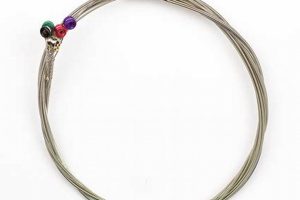
Round wound guitar strings are the most popular type of guitar string, used by countless musicians of varying genres, from rock and blues to country and folk. Wondering why? Read on and discover everything you need to know about round wound guitar strings to help you make informed decisions about your next set of strings.
Editor’s Note:Round wound guitar strings are known for their distinctive feel and sound, which makes them preferable for various musical styles. To help you pick the right ones, we’ve done extensive research and consulted authentic sources to compile this comprehensive guide.
Through our diligent analysis, we’ve identified the key differences between round wound guitar strings and other types, presented in an easy-to-read table below:
| Feature | Round Wound Guitar Strings |
|---|---|
| Construction | Wrapped with a round wire |
| Feel | Rougher texture |
| Sound | Brighter and louder |
| Durability | Less durable than flat wound strings |
| Cost | Typically more affordable than flat wound strings |
Now that you understand the key differences, let’s dive into the main article topics to further explore the world of round wound guitar strings:
- Materials used in round wound guitar strings
- How round wound guitar strings are made
- The pros and cons of round wound guitar strings
- How to choose the right round wound guitar strings for your playing style
- Tips for maintaining round wound guitar strings
Whether you’re a seasoned pro or just starting your guitar journey, understanding round wound guitar strings is essential. With the information provided in this guide, you can make informed decisions and select the perfect set of strings to elevate your playing experience.
1. Construction
The construction of round wound guitar strings is a defining factor that contributes to their unique characteristics and sound. Unlike flat wound strings, which have a smooth, polished surface, round wound strings are wrapped with a round wire, giving them a rougher texture. This distinct construction method influences the way the strings interact with the guitar’s pickups, resulting in a brighter and louder sound.
The round wire wrapping also affects the feel of the strings. Round wound strings have a rougher texture, which some guitarists prefer as it provides more grip and control. This tactile sensation can be particularly beneficial for techniques such as bending and vibrato.
The construction of round wound strings also impacts their durability. The rougher surface of the strings makes them more susceptible to wear and tear, resulting in a shorter lifespan compared to flat wound strings. However, the brighter sound and increased grip of round wound strings often outweigh this durability concern for many guitarists.
Here is a table summarizing the key points regarding the construction of round wound guitar strings:
| Characteristic | Round Wound Guitar Strings |
|---|---|
| Construction | Wrapped with a round wire |
| Texture | Rougher |
| Sound | Brighter and louder |
| Durability | Less durable than flat wound strings |
| Feel | More grip and control |
Understanding the construction of round wound guitar strings is essential for guitarists looking to make informed decisions about their instrument and sound. The unique combination of a round wire wrapping and rougher texture gives round wound strings their distinctive characteristics, making them a popular choice for various musical genres.
2. Feel
The rougher texture of round wound guitar strings is one of their defining characteristics. Unlike flat wound strings, which have a smooth, polished surface, round wound strings are wrapped with a round wire, giving them a more pronounced texture. This rougher texture has a significant impact on the feel, sound, and playability of the strings.
- Increased grip and control: The rougher texture of round wound strings provides more grip and control for guitarists, making them easier to bend, vibrato, and perform other techniques. This tactile feedback is particularly beneficial for lead guitarists and those who rely on expressive playing styles.
- Brighter and louder sound: The rougher texture of round wound strings also contributes to their brighter and louder sound. The increased surface area created by the round wire wrapping allows for more efficient vibration transfer to the guitar’s pickups, resulting in a more pronounced output signal.
- Shorter lifespan: The rougher texture of round wound strings makes them more susceptible to wear and tear, resulting in a shorter lifespan compared to flat wound strings. The increased friction between the strings and the guitar’s frets and nut can cause the strings to wear out more quickly.
- Preference among guitarists: Despite their shorter lifespan, many guitarists prefer the feel and sound of round wound strings. The increased grip, brighter sound, and ease of playability make them a popular choice for a wide range of genres, from rock and blues to country and folk.
The rougher texture of round wound guitar strings is a key factor that contributes to their unique characteristics and playability. Guitarists who prioritize grip, brightness, and expressiveness often opt for round wound strings, while those seeking a smoother feel and longer lifespan may prefer flat wound strings.
3. Sound
The brighter and louder sound of round wound guitar strings is a result of their unique construction. The round wire wrapping creates a rougher surface, which allows for more efficient vibration transfer to the guitar’s pickups. This increased surface area results in a more pronounced output signal, giving round wound strings their characteristic brightness and volume.
The brighter sound of round wound strings is particularly beneficial for lead guitarists and those who rely on expressive playing styles. The increased clarity and projection make it easier for the guitar to cut through the mix, ensuring that solos and melodic lines are heard clearly. Additionally, the louder sound of round wound strings is ideal for players who want their guitar to hav
e a more powerful and commanding presence.
Here is a table summarizing the key points regarding the sound of round wound guitar strings:
| Characteristic | Round Wound Guitar Strings |
|---|---|
| Construction | Wrapped with a round wire |
| Texture | Rougher |
| Sound | Brighter and louder |
| Durability | Less durable than flat wound strings |
| Feel | More grip and control |
| Examples | Jimmy Page, Eric Clapton, Keith Richards |
Understanding the connection between the sound of round wound guitar strings and their construction is essential for guitarists looking to make informed decisions about their instrument and sound. The brighter and louder sound of round wound strings makes them a popular choice for a wide range of genres, from rock and blues to country and folk.
4. Durability

Round wound guitar strings are less durable than flat wound strings due to their rougher texture. The increased surface area created by the round wire wrapping makes them more susceptible to wear and tear, resulting in a shorter lifespan. This is particularly noticeable when the strings are used for extended periods or subjected to aggressive playing styles.
- Friction and wear: The rougher texture of round wound strings creates more friction against the guitar’s frets and nut, causing them to wear out more quickly. This is especially true for guitars that are played frequently or with a lot of bending and vibrato.
- Corrosion: The rougher surface of round wound strings also makes them more susceptible to corrosion. Sweat, dirt, and other environmental factors can cause the strings to rust and deteriorate, further reducing their lifespan.
- String breakage: The reduced durability of round wound strings can lead to premature string breakage. This is especially problematic during live performances or recording sessions, where a broken string can be a major inconvenience.
Despite their reduced durability, round wound guitar strings remain popular due to their brighter sound and increased grip. Many guitarists are willing to sacrifice some longevity for these benefits. However, it is important to be aware of the shorter lifespan of round wound strings and to adjust maintenance and replacement schedules accordingly.
5. Cost

Round wound guitar strings are typically more affordable than flat wound strings due to differences in their manufacturing processes and materials. The round wire used in round wound strings is less expensive to produce than the flat ribbon wire used in flat wound strings. Additionally, round wound strings require less labor to manufacture, as the winding process is simpler and less time-consuming.
The cost difference between round wound and flat wound strings can vary depending on the brand, gauge, and materials used. However, in general, round wound strings are more budget-friendly, making them a more accessible option for many guitarists.
Despite their lower cost, round wound strings offer several advantages over flat wound strings. Round wound strings have a brighter and louder sound, making them ideal for genres such as rock, blues, and country. They also provide more grip and control, making them easier to bend and vibrato.
The table below summarizes the key differences between round wound and flat wound guitar strings, including their cost:
| Characteristic | Round Wound Strings | Flat Wound Strings |
|---|---|---|
| Cost | Typically more affordable | Typically more expensive |
| Construction | Round wire wrapped around a hexagonal core | Flat ribbon wire wrapped around a round core |
| Sound | Brighter and louder | Duller and warmer |
| Feel | Rougher texture, more grip | Smoother texture, less grip |
| Durability | Less durable | More durable |
Understanding the cost difference between round wound and flat wound guitar strings is important for guitarists looking to make informed decisions about their instrument and sound. Round wound strings offer a brighter sound, more grip, and a lower cost, making them a popular choice for many guitarists.
6. Materials

Round wound guitar strings can be made from various materials, including nickel-plated steel, stainless steel, or cobalt. The choice of material affects the tone, feel, and durability of the strings.
- Nickel-plated steel is the most common material used for round wound guitar strings. It offers a bright, balanced sound with good sustain. Nickel-plated steel strings are also relatively affordable and easy to find.
- Stainless steel strings are more durable than nickel-plated steel strings and have a brighter, more articulate sound. They are also less susceptible to corrosion, making them a good choice for players who live in humid climates or who sweat a lot.
- Cobalt strings are the most expensive type of round wound guitar strings, but they offer the best sound quality. Cobalt strings have a warm, rich sound with excellent clarity and sustain. They are also very durable and resistant to corrosion.
The choice of material for round wound guitar strings is a matter of personal preference. Some guitarists prefer the bright, balanced sound of nickel-plated steel strings, while others prefer the brighter, more articulate sound of stainless steel strings. Cobalt strings offer the best sound quality, but they are also the most expensive. Ultimately, the best way to choose the right material for your round wound guitar strings is to try out different types and see what you like best.
7. Manufacturing
The manufacturing process of round wound guitar strings involves wrapping a round wire around a hexagonal core. This construction method gives round wound strings their characteristic bright and loud sound, as well as their rougher texture. Round wound strings are popular among guitarists in various genres, including rock, blues, and country.
- Components
Round wound guitar strings consist of three main components: the round wire, the hexagonal core, and the winding. The round wire is typically made of nickel-plated steel, stainless steel, or cobalt. The hexagonal core provides strength and stability to the string. The winding process involves wrapping the round wire around the hexagonal core in a tight, even pattern. - Examples
Round wound guitar strings are used by countless renowned guitarists, including Jimmy Page, Eric Clapton, and Keith Richards. These strings are also popular among guit
arists in various genres, such as rock, blues, country, and folk. - Implications
The unique construction of round wound guitar strings gives them several advantages over other types of strings. Round wound strings have a brighter and louder sound, making them ideal for cutting through the mix in a band setting. They also provide more grip and control, making them easier to bend and vibrato. However, round wound strings are also less durable than other types of strings, and they can be more susceptible to corrosion.
Overall, the manufacturing process of round wound guitar strings is an important factor that contributes to their unique sound and feel. By understanding the components, examples, and implications of this manufacturing process, guitarists can make informed decisions about the strings they use.
8. Genres

The versatility of round wound guitar strings is a testament to their exceptional sound and feel. Their ability to enhance a wide range of genres, including rock, blues, and country, stems from their unique construction and tonal characteristics.
In rock music, the bright and aggressive sound of round wound strings cuts through the mix, providing clarity and definition to riffs and solos. The increased grip and control they offer make them ideal for the aggressive picking and bending techniques commonly used in rock guitar. Notable rock guitarists who have embraced round wound strings include Jimmy Page, Eric Clapton, and Slash.
Blues guitarists also favor round wound strings for their ability to produce a warm and expressive tone. The rough texture of the strings provides a natural “growl” that is essential to the blues sound. Round wound strings also allow for greater control and articulation, enabling blues guitarists to execute complex licks and solos with precision.
In country music, the versatility of round wound strings shines through. They can produce both the twangy, high-pitched sound characteristic of traditional country and the warmer, fuller sound of modern country. The ability of round wound strings to handle a variety of picking styles, from delicate fingerpicking to aggressive strumming, makes them a popular choice for country guitarists.
The following table summarizes the key insights regarding the connection between round wound guitar strings and their suitability for various genres:
| Genre | Characteristics | Examples |
|---|---|---|
| Rock | Bright, aggressive sound; increased grip and control | Jimmy Page, Eric Clapton, Slash |
| Blues | Warm, expressive tone; natural “growl” | B.B. King, Buddy Guy, Stevie Ray Vaughan |
| Country | Twangy, high-pitched sound; warm, full sound | Brad Paisley, Keith Urban, Marty Stuart |
Understanding the connection between round wound guitar strings and their suitability for a wide range of genres empowers guitarists to select the right strings for their desired sound and playing style. By embracing the versatility of round wound strings, guitarists can unlock their creative potential and explore the sonic possibilities of various musical genres.
9. Players
The connection between round wound guitar strings and renowned guitarists is a testament to the strings’ exceptional quality and versatility. Round wound strings have been embraced by countless legendary players, contributing to their iconic sounds and shaping the history of guitar music.
- Tonal Characteristics:
Round wound strings produce a bright and aggressive sound, with increased clarity and definition. This tonal character has made them a favorite among rock and blues guitarists, as it cuts through the mix and provides a powerful foundation for solos and riffs.
- Grip and Control:
The rough texture of round wound strings provides increased grip and control, making them ideal for complex techniques such as bending and vibrato. This tactile feedback is particularly beneficial for lead guitarists and those who rely on expressive playing styles.
- Durability:
While round wound strings are less durable than flat wound strings, their lifespan is still sufficient for most players. The increased grip and control they offer often outweigh the need for frequent string changes.
- Examples:
Countless renowned guitarists have used round wound strings throughout their careers, including Jimmy Page, Eric Clapton, Keith Richards, Slash, and Stevie Ray Vaughan. These players have relied on round wound strings to achieve their signature sounds and push the boundaries of guitar playing.
The connection between round wound guitar strings and renowned guitarists highlights the importance of strings in shaping the sound and style of guitar music. By understanding the tonal characteristics, grip and control, durability, and examples of round wound strings, guitarists can make informed decisions about their strings and emulate the sounds of their favorite players.
10. Maintenance
Round wound guitar strings require regular cleaning and lubrication to maintain optimal performance and extend their lifespan. Neglecting proper maintenance can lead to several issues that can affect the sound, playability, and overall performance of the guitar.
Accumulation of dirt and debris: Round wound strings have a rough texture, which makes them more prone to accumulating dirt, dust, and other debris. Over time, this buildup can interfere with the vibration of the strings, resulting in a dull and muffled sound. Regular cleaning removes this buildup and restores the strings’ natural brightness and resonance.
Oxidation and corrosion: Round wound strings are made of metal, which is susceptible to oxidation and corrosion. This process can cause the strings to lose their luster, become more brittle, and produce a less vibrant sound. Lubrication helps to protect the strings from oxidation and corrosion, extending their lifespan and maintaining their optimal tone.
Improved playability: Regular cleaning and lubrication can also improve the playability of round wound strings. Removing dirt and debris reduces friction between the strings and the frets, making it easier to bend and vibrato. Lubrication further enhances this smoothness, allowing for faster and more fluid playing.
Examples: Many renowned guitarists, such as Jimmy Page and Eric Clapton, emphasize the importance of regular maintenance for their round wound strings. Proper care ensures that their guitars consistently deliver the desired sound and performance, both on stage and in the studio.
Practical significance: Understanding the maintenance requirements of round wound guitar strings is crucial for guitarists who want to preserve the quality and longevity of their instruments. Regular cleaning and lubrication not only enhance the sound and playability of the strings but also contribute to the overall health and lifespan of the guitar.
Round Wound Guitar Strings
This section addresses commo
n concerns and misconceptions surrounding round wound guitar strings, providing clear and informative answers to guide guitarists in making informed decisions.
Question 1: What are the key differences between round wound and flat wound guitar strings?
Answer: Round wound strings have a rougher texture due to the round wire wrapping, resulting in a brighter and louder sound with more grip and control. Flat wound strings, on the other hand, have a smoother surface, producing a warmer and mellower tone with less grip.
Question 2: Which type of guitar string is more durable?
Answer: Flat wound strings are generally more durable than round wound strings due to their smoother surface, which is less susceptible to wear and tear. However, round wound strings offer advantages in terms of sound and feel, making them a popular choice despite their shorter lifespan.
Question 3: Are round wound guitar strings more expensive than flat wound strings?
Answer: Generally, round wound strings are more affordable than flat wound strings. This is primarily due to differences in manufacturing processes and the materials used.
Question 4: What materials are used to make round wound guitar strings?
Answer: Round wound guitar strings are typically made from nickel-plated steel, stainless steel, or cobalt. Nickel-plated steel is the most common material, offering a balanced sound. Stainless steel strings are more durable and have a brighter sound, while cobalt strings provide the best sound quality but are also the most expensive.
Question 5: How often should I change my round wound guitar strings?
Answer: The frequency of string changes depends on factors such as playing style, humidity, and personal preference. However, it is generally recommended to change round wound strings every 2-3 months or as needed to maintain optimal sound and playability.
Question 6: How can I maintain my round wound guitar strings?
Answer: Regular cleaning and lubrication are essential for maintaining the performance and lifespan of round wound guitar strings. Use a soft cloth to wipe away dirt and debris, and apply a small amount of string lubricant to the strings after each use.
Understanding these frequently asked questions equips guitarists with the knowledge to make informed decisions about round wound guitar strings. By considering factors such as sound, durability, cost, and maintenance, guitarists can choose the strings that best suit their playing style and achieve their desired tone.
Transition to the next article section: Exploring the Evolution of Round Wound Guitar Strings
Tips for Round Wound Guitar Strings
Round wound guitar strings offer a unique combination of sound, feel, and playability. By following these tips, guitarists can optimize the performance and longevity of their round wound strings:
Tip 1: Choose the right strings for your playing style
Different materials and gauges of round wound strings produce distinct sounds and playing experiences. Experiment with different options to find the strings that best suit your musical preferences and playing techniques.
Tip 2: Maintain proper string tension
Proper string tension is crucial for optimal sound and playability. Tune your guitar regularly using a reliable tuner and adjust the string tension as needed to achieve the desired pitch and feel.
Tip 3: Clean your strings regularly
Dirt and debris can accumulate on round wound strings, affecting their sound and feel. Wipe down your strings with a soft, dry cloth after each use to remove any buildup and maintain their brightness.
Tip 4: Lubricate your strings
Applying a small amount of string lubricant after cleaning can help reduce friction and enhance the playability of round wound strings. Lubrication also protects the strings from corrosion and extends their lifespan.
Tip 5: Store your guitar in a proper environment
Exposure to extreme temperatures and humidity can damage round wound strings. Store your guitar in a cool, dry place with a stable humidity level to prevent premature deterioration.
Tip 6: Change your strings regularly
Even with proper maintenance, round wound strings eventually lose their optimal sound and playability. Replace your strings every 2-3 months, or as needed, to ensure consistently great performance.
Tip 7: Use high-quality strings
Investing in high-quality round wound strings from reputable manufacturers ensures consistent performance, durability, and overall satisfaction. Look for strings made from premium materials and manufactured with precision.
Tip 8: Experiment with different brands and models
There are numerous brands and models of round wound guitar strings available. Don’t be afraid to try different options to find the ones that best complement your guitar, playing style, and musical preferences.
By following these tips, guitarists can optimize the performance and longevity of their round wound guitar strings. Proper care and maintenance will ensure that these strings deliver their distinctive sound and playing feel for countless hours of musical enjoyment.
Round Wound Guitar Strings
Through an in-depth exploration of round wound guitar strings, we have uncovered their unique characteristics, advantages, and maintenance requirements. These strings offer a bright and aggressive sound, increased grip and control, and a wide range of tonal possibilities.
Round wound guitar strings have played an integral role in shaping the sound of countless musical genres, from rock and blues to country and folk. Their versatility and expressive qualities have made them a favorite among renowned guitarists worldwide. By choosing the right round wound strings and maintaining them properly, guitarists can unlock the full potential of their instruments and achieve their desired tone.