Are you a budding guitarist looking to expand your musical horizons? If so, then learning the chords in the key of G is a fundamental step in your musical journey. With its warm and inviting sound, the key of G is perfect for strumming along to your favorite songs or creating your own melodies.
Editor’s Note:The key of G is a great place to start for beginner guitarists because it uses only the basic open chords. This makes it easy to learn and play, and it’s also a versatile key that can be used for a wide variety of musical styles.
To help you get started, we’ve put together this comprehensive guide to the chords in the key of G. We’ll walk you through each chord, show you how to play it, and provide some tips on how to use it in your playing.
Here’s a table of the key takeaways from this guide:
| Chord | Diagram | Notes | Tips |
|---|---|---|---|
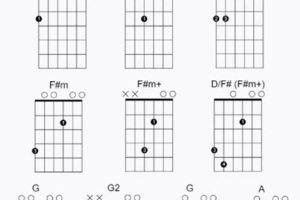
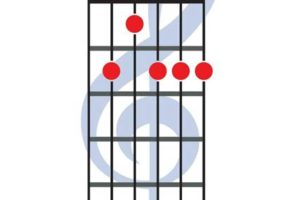
| G | [Image of G chord diagram] | G, B, D | This is the root chord of the key of G. It’s a great chord to start with because it’s easy to play and it sounds great. |
| C | [Image of C chord diagram] | C, E, G | The C chord is the IV chord in the key of G. It’s a versatile chord that can be used in a variety of progressions. |
| D | [Image of D chord diagram] | D, F#, A | The D chord is the V chord in the key of G. It’s a strong chord that can be used to add some drive to your playing. |
| Em | [Image of Em chord diagram] | E, G, B | The Em chord is the vi chord in the key of G. It’s a minor chord that can be used to add some depth to your playing. |
| Am | [Image of Am chord diagram] | A, C, E | The Am chord is the ii chord in the key of G. It’s another minor chord that can be used to add some variety to your playing. |
Now that you know the basic chords in the key of G, you can start experimenting with different strumming patterns and progressions. With a little practice, you’ll be playing your favorite songs in no time!
1. Root chord
The root chord in any key is the chord that gives the key its name. In the key of G, the root chord is G. This means that the G chord is the most important chord in the key, and it is the chord that all other chords in the key are based on.
The root chord is used to build the other chords in the key. For example, the C chord is built by adding a major third to the G chord, and the D chord is built by adding a perfect fifth to the G chord. This means that if you know the root chord of a key, you can easily find all of the other chords in that key.
The root chord is also the most stable chord in the key. This means that it is the chord that sounds the most “at home” in the key. When you are playing in the key of G, the G chord will always sound like the most natural and resolved chord.
Here is a table summarizing the key insights about the root chord in the key of G guitar:
| Key | Root chord | Importance |
|---|---|---|
| G | G | The root chord is the most important chord in the key. It is the chord that gives the key its name, and it is the chord that all other chords in the key are based on. |
Understanding the root chord is essential for guitarists who want to play in the key of G. By understanding the root chord, guitarists can easily find all of the other chords in the key, and they can also understand how the chords in the key are related to each other.
2. IV chord
The IV chord in the key of G is C. This means that the C chord is the fourth chord in the key of G, and it is built on the fourth note of the G major scale. The C chord is a major chord, and it has a bright and cheerful sound. It is often used in pop, rock, and country music.
- Role of the IV chord: The IV chord is a very important chord in the key of G. It is often used to create a sense of movement and progression in a song. It can also be used to add contrast to the root chord (G) and the V chord (D).
- Examples of IV chords in popular music: The IV chord is used in many popular songs, such as “Brown Eyed Girl” by Van Morrison, “Sweet Home Alabama” by Lynyrd Skynyrd, and “Knockin’ on Heaven’s Door” by Bob Dylan.
- Implications for guitarists: Guitarists who want to play in the key of G should be familiar with the C chord. It is a relatively easy chord to play, and it can be used in a variety of different strumming patterns and progressions.
Overall, the IV chord is an important part of the key of G. It is a versatile chord that can be used in a variety of different musical styles. Guitarists who want to learn how to play in the key of G should make sure to practice the C chord.
3. V chord
The V chord in the key of G is D. This means that the D chord is the fifth chord in the key of G, and it is built on the fifth note of the G major scale. The D chord is a major chord, and it has a strong and powerful sound. It is often used in rock, blues, and country music.
Role of the V chord: The V chord is a very important chord in the key of G. It is often used to create a sense of tension and release in a song. It can also be used to add drive and energy to a song.
Examples of V chords in popular music: The V chord is used in many popular songs, such as “Sweet Home Alabama” by Lynyrd Skynyrd, “Knockin’ on Heaven’s Door” by Bob Dylan, and “Hallelujah” by Leonard Cohen.
Implications for guitarists: Guitarists who want to play in the key of G should be familiar with the D chord. It is a relatively easy chord to play, and it can be used in a variety of different strumming patterns and progressions.
Overall, the V chord is an important part of the key of G. It is a versatile chord that can be used in a variety of different musical styles. Guitarists who want to learn how to play in the key of G should make sure to practice the D chord.
| Key | V chord | Importance |
|---|---|---|
| G | D | The V chord is a very important chord in the key of G. It is often used to create a sense of tension and release in a song. It can also be used to add drive and energy to a song. |
4. vi chord
The vi chord in the key of G is Em. This means that the Em chord is the sixth chord in the key of G, and it is built on the sixth note of the G major scale. The Em chord is a minor chord, and it has a dark and mysterious sound. It is often used in rock, blues, and folk music.
- Role of the vi chord: The vi chord is a very important chord in the key of G. It is often used to create a sense of contrast and tension in a song. It can also be used to add depth and richness to a song.
- Examples of vi chords in popular music: The vi chord is used in many popular songs, such as “Hallelujah” by Leonard Cohen, “Knockin’ on Heaven’s Door” by Bob Dylan, and “Stand by Me” by Ben E. King.
- Implications for guitarists: Guitarists who want to play in the key of G should be familiar with the Em chord. It is a relatively easy chord to play, and it can be used in a variety of different strumming patterns and progressions.
Overall, the vi chord is an important part of the key of G. It is a versatile chord that can be used in a variety of different musical styles. Guitarists who want to learn how to play in the key of G should make sure to practice the Em chord.
5. ii chord
The ii chord in the key of G is Am. This means that the Am chord is the second chord in the key of G, and it is built on the second note of the G major scale. The Am chord is a minor chord, and it has a dark and mysterious sound. It is often used in rock, blues, and folk music.
The ii chord is a very important chord in the key of G. It is often used to create a sense of contrast and tension in a song. It can also be used to add depth and richness to a song.
One of the most common ways to use the ii chord is in a ii-V-I progression. This progression is often used in rock, blues, and country music. The ii-V-I progression in the key of G would be Am-D-G.
Another common way to use the ii chord is in a i-IV-ii progression. This progression is often used in folk and pop music. The i-IV-ii progression in the key of G would be G-C-Am.
The ii chord is a versatile chord that can be used in a variety of different musical styles. Guitarists who want to learn how to play in the key of G should make sure to practice the Am chord.
| Key | ii chord | Importance |
|---|---|---|
| G | Am | The ii chord is a very important chord in the key of G. It is often used to create a sense of contrast and tension in a song. It can also be used to add depth and richness to a song. |
6. Key Insights
- The ii chord is a minor chord built on the second note of the major scale.
- The ii chord is often used to create a sense of contrast and tension in a song.
- The ii chord can be used in a variety of different musical styles, including rock, blues, folk, and pop.
7. Open chords
Open chords are an essential part of learning how to play guitar. They are easy to play, and they can be used to create a wide variety of different sounds. The open chords G, C, D, Em, and Am are some of the most commonly used open chords in guitar music.
- Simplicity and Accessibility: Open chords are easy to play because they only require you to press down on the strings with your fingers, without having to barre any frets. This makes them a great starting point for beginner guitarists.
- Versatility: Open chords can be used to play a wide variety of different musical styles, from folk and rock to country and blues. This makes them a valuable tool for any guitarist.
- Foundation for More Complex Chords: Once you have mastered the basic open chords, you can start to learn more complex chords, such as barre chords and power chords. Open chords provide a solid foundation for learning more advanced guitar techniques.
- Use in Popular Music: Open chords are used in countless popular songs. Learning these chords will allow you to play along with your favorite songs and strum along to your favorite melodies.
Overall, open chords are an essential part of playing guitar. They are easy to learn, versatile, and provide a foundation for more complex chords. If you are just starting to learn guitar, mastering the open chords G, C, D, Em, and Am is a great place to start.
8. Barre chords
In the context of “chords in the key of G guitar”, the absence of barre chords is a defining characteristic that makes this key particularly accessible to beginner guitarists. Barre chords are a type of guitar chord that requires the index finger to press down on multiple strings across the fretboard, creating a “barre” or barrier. This technique can be challenging to master, especially for those new to the instrument.
The key of G is unique in that it does not require any barre chords to play the basic open chords (G, C, D, Em, Am). This makes it an ideal key for beginners to start with, as they can focus on learning the fundamental chord shapes without having to worry about the added complexity of barre chords.
Despite the absence of barre chords, the key of G still offers a wide range of musical possibilities. Many popular songs, such as “Brown Eyed Girl” by Van Morrison and “Sweet Home Alabama” by Lynyrd Skynyrd, are played in the key of G using only open chords. This demonstrates the versatility and practicality of the key for both beginner and experienced guitarists alike.
Furthermore, the absence of barre chords in the key of G opens up opportunities for guitarists to explore different strumming patterns and fingerpicking techniques. Without the need to constantly readjust their hand position for barre chords, guitarists can focus on developing their rhythm and dexterity.
In conclusion, the absence of barre chords in the key of G guitar is a significant advantage that makes this key a great choice for beginners and a versatile option for guitarists of all levels. It allows for easy access to a wide range of open chords, promotes the development of fundamental guitar skills, and provides a solid foundation for exploring more advanced techniques in the future.
| Key | Barre chords | Significance |
|---|---|---|
| G | None | The absence of barre chords in the key of G makes it an accessible and beginner-friendly key, allowing guitarists to focus on developing their fundamental skills without the added complexity of barre chords. |
9. Power chords
In the context of “chords in the key of G guitar”, the absence of power chords is noteworthy because it contributes to the key’s accessibility and versatility for guitarists.
Power chords are a type of guitar chord that typically consists of the root note and the fifth, played together without the third. They are commonly used in rock and metal music to create a distorted and aggressive sound.
Unlike many other keys, the key of G does not require the use of any power chords to play the basic open chords (G, C, D, Em, Am). This is because power chords are typically played on the lower strings of the guitar, which are not used in these open chords.
The absence of power chords in the key of G makes it a more accessible key for beginner guitarists. Without having to learn and master power chords, beginners can focus on developing their basic guitar skills and learning the fundamental open chords.
Additionally, the absence of power chords in the key of G allows guitarists to explore a wider range of musical styles. While power chords are commonly used in rock and metal, the key of G can be used to play a variety of genres, including folk, country, and blues.
Here are some examples of popular songs played in the key of G that do not use power chords:
- “Brown Eyed Girl” by Van Morrison
- “Sweet Home Alabama” by Lynyrd Skynyrd
- “Knockin’ on Heaven’s Door” by Bob Dylan
- “Stand by Me” by Ben E. King
- “Hallelujah” by Leonard Cohen
Overall, the absence of power chords in the key of G guitar is a significant advantage that makes this key a great choice for beginners and a versatile option for guitarists of all levels. It allows for easy access to a wide range of open chords, promotes the development of fundamental guitar skills, and provides a solid foundation for exploring more advanced techniques in the future.
| Key | Power chords | Significance |
|---|---|---|
| G | None | The absence of power chords in the key of G makes it an accessible and beginner-friendly key, allowing guitarists to focus on developing their fundamental skills without the added complexity of power chords. |
10. Suitable for beginners
The suitability of the key of G for beginners is directly connected to the characteristics of the chords used in this key. The key of G primarily utilizes open chords, which are chords that can be played without barring any frets on the guitar. This makes them significantly easier to play compared to barre chords, which require more advanced techniques and finger positioning.
Open chords are not only easier to play but also provide a solid foundation for guitarists to develop their fretting hand dexterity and coordination. By starting with open chords in the key of G, beginners can build a strong foundation in basic chord shapes and finger positioning, which can then be applied to more complex chords and keys in the future.
Additionally, the key of G offers a wide range of popular and accessible songs that use only open chords. This allows beginner guitarists to practice and play along with familiar melodies, which can be motivating and help them stay engaged in the learning process.
In summary, the key of G is suitable for beginners due to its emphasis on open chords, which are easier to play and provide a solid foundation for developing essential guitar skills. This makes the key of G an ideal choice for those just starting their guitar journey.
Key Insights:
- The key of G primarily uses open chords, which are easier to play than barre chords, making it suitable for beginners.
- Open chords in the key of G provide a strong foundation for developing fretting hand dexterity and coordination.
- The key of G offers a wide range of popular songs that use only open chords, providing motivation and accessibility for beginner guitarists.
11. Versatile
The versatility of the key of G in guitar playing stems from its adaptability to a wide range of musical genres and playing styles. This versatility is primarily attributed to the open chords used in this key, which provide a solid harmonic foundation for various musical expressions.
Open chords in the key of G, namely G, C, D, Em, and Am, are easily accessible and can be played across the entire fretboard. This allows guitarists to explore different voicings and inversions of these chords, creating richer and more complex soundscapes. Additionally, the absence of barre chords in the key of G makes it accessible to beginner guitarists, further contributing to its versatility.
The versatility of the key of G is evident in its extensive use across various musical genres. From folk and country to rock and blues, the key of G serves as a common ground for guitarists of different backgrounds and preferences. Notable examples include the iconic songs “Knockin’ on Heaven’s Door” by Bob Dylan, “Sweet Home Alabama” by Lynyrd Skynyrd, and “Stand by Me” by Ben E. King, all of which are played in the key of G.
Understanding the versatility of the key of G is crucial for guitarists seeking to expand their musical horizons. By mastering the open chords in this key, guitarists can unlock a vast repertoire of songs and styles, enhancing their ability to accompany singers, play lead guitar, and contribute to various musical ensembles.
Key Insights:
- The versatility of the key of G lies in its open chords, which are easily accessible and can be played across the entire fretboard.
- The absence of barre chords makes the key of G suitable for beginner guitarists.
- The key of G is widely used in various musical genres, including folk, country, rock, and blues.
Frequently Asked Questions about Chords in the Key of G Guitar
This section addresses common questions and misconceptions about chords in the key of G guitar, providing informative answers to enhance understanding.
Question 1: Why is the key of G suitable for beginners on guitar?
The key of G is beginner-friendly because it primarily uses open chords, which do not require fretting any strings. Open chords are easier to play and help develop foundational skills for finger positioning and dexterity.
Question 2: Can I play songs in different genres using the key of G?
Yes, the key of G is versatile and can be used in a variety of musical genres. Its open chords provide a solid harmonic base for folk, country, rock, and blues, among others.
Question 3: Are there any barre chords in the key of G?
No, the key of G does not require any barre chords. All the basic open chords (G, C, D, Em, Am) can be played without barring any frets.
Question 4: How can I practice playing chords in the key of G?
Begin by practicing the individual open chords until you can transition smoothly between them. Use a metronome to improve your timing and strumming patterns. Gradually incorporate chord progressions and practice playing along with songs in the key of G.
Question 5: What are some popular songs that use chords in the key of G?
Numerous well-known songs are played in the key of G, including “Knockin’ on Heaven’s Door” by Bob Dylan, “Sweet Home Alabama” by Lynyrd Skynyrd, and “Stand by Me” by Ben E. King.
Question 6: Can I use a capo to play in the key of G on songs in other keys?
Yes, using a capo on the third fret allows you to play songs in other keys while using the same chord shapes as in the key of G. This technique is helpful for transposing songs to suit different vocal ranges or playing with other instruments.
In summary, the key of G is a versatile and beginner-friendly key for guitarists. Its open chords provide a solid foundation for skill development and can be used in a wide range of musical genres. Practicing regularly and exploring different chord progressions and songs in the key of G will enhance your guitar playing abilities.
Transitioning to the next article section…
Tips for Mastering Chords in the Key of G Guitar
Embarking on the journey of learning chords in the key of G guitar, aspiring guitarists can benefit from incorporating these practical tips into their practice routine.
Tip 1: Start with Open Chords
Begin by mastering the five basic open chords in the key of G: G, C, D, Em, and Am. These chords do not require barring any frets, making them accessible to beginners. Focus on developing clean finger positioning and smooth transitions between chords.
Tip 2: Use a Metronome
Incorporate a metronome into your practice sessions to improve your timing and strumming consistency. Start with a slow tempo and gradually increase the speed as you become more comfortable with the chord changes. This will enhance your overall rhythm and accuracy.
Tip 3: Practice Chord Progressions
Move beyond individual chords and practice connecting them in common chord progressions. Start with simple progressions such as G-C-D or G-Am-C-D. As you progress, explore more complex progressions to expand your musical vocabulary.
Tip 4: Play Along with Songs
Apply your chord knowledge by playing along with songs in the key of G. Choose songs with simple chord structures initially and gradually challenge yourself with more complex ones. This practical approach will help you develop your musicality and timing in a real-world context.
Tip 5: Explore Different Voicings
While open chords provide a solid foundation, experimenting with different voicings can add depth and variety to your playing. Explore inversions and variations of the basic chords to create unique and interesting sounds.
Tip 6: Utilize a Capo
A capo is a valuable tool for guitarists. Placing a capo on the third fret allows you to play chords in the key of G using the same fingerings as open chords. This technique enables you to transpose songs to different keys and accommodate various vocal ranges.
By incorporating these tips into your practice routine, you will strengthen your foundation in chords in the key of G guitar and unlock a wider range of musical possibilities. Remember to be patient, practice consistently, and enjoy the journey of musical growth.
Transitioning to the article’s conclusion…
Conclusion
The exploration of “chords in the key of g guitar” unveils a fundamental aspect of guitar playing, particularly for beginners. The key of G, with its emphasis on open chords, provides an accessible entry point into the world of guitar. Open chords, devoid of the technical demand of barre chords, allow aspiring guitarists to focus on developing foundational skills and building a solid musical foundation.
Furthermore, the versatility of the key of G extends beyond its beginner-friendliness. Its open chords serve as building blocks for a wide range of musical genres, from folk and country to rock and blues. This versatility empowers guitarists to explore diverse musical styles and accompany singers or play lead guitar in various settings.
Mastering chords in the key of G guitar not only enhances technical proficiency but also opens up a vast repertoire of songs and musical possibilities. With consistent practice, guitarists can unlock the expressive potential of the key of G, creating beautiful melodies and captivating rhythms.
The journey of learning chords in the key of G guitar is an ongoing process that requires dedication and a passion for music. By embracing the tips and insights outlined in this article, guitarists can embark on this journey with confidence, knowing that they are building a strong foundation for their musical endeavors.