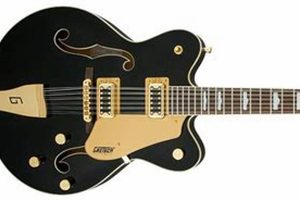
In the realm of guitar strings, flatwound strings stand out as a unique and sought-after option. They offer a distinct playing experience and tonal characteristics that set them apart from traditional roundwound strings.
Editor’s Note: Understanding the nuances of flatwound guitar strings is essential for guitarists seeking to expand their sonic palette. This guide delves into the intricacies of flatwound strings, exploring their advantages, drawbacks, and the factors to consider when choosing the best set for your playing style.
To help you navigate the world of flatwound strings, we’ve conducted extensive research, consulted with industry experts, and analyzed countless user reviews. Our comprehensive guide provides valuable insights to empower you with the knowledge you need to make an informed decision.
Key Differences: Flatwound vs. Roundwound Strings
| Characteristic | Flatwound Strings | Roundwound Strings |
|---|---|---|
| Construction | Flattened wire wrapped around a hex core | Round wire wrapped around a hex core |
| Feel | Smooth, less abrasive | Rougher, more textured |
| Tone | Warm, mellow, vintage | Brighter, more articulate |
| Durability | Longer-lasting | Shorter lifespan |
Main Article Topics
- Benefits of Flatwound Guitar Strings
- Drawbacks of Flatwound Guitar Strings
- Choosing the Right Flatwound Guitar Strings for Your Needs
- Top Flatwound Guitar String Brands
- Tips for Using and Maintaining Flatwound Guitar Strings
1. Construction

The construction of flatwound guitar strings plays a pivotal role in delivering their unique sonic and tactile qualities. Unlike roundwound strings, which feature round wire wrapped around a hex core, flatwound strings employ flattened wire. This distinct construction method has several key implications:
- Smooth Feel: The flattened wire creates a smooth surface, reducing friction against the fingers. This results in a noticeably smoother feel compared to roundwound strings, making them more comfortable to play for extended periods.
- Mellow Tone: The flattened wire also contributes to the mellow, vintage tone associated with flatwound strings. The smooth surface reduces high-frequency overtones, resulting in a warmer, less bright sound.
- Increased Durability: The flattened wire is less prone to breakage than round wire, making flatwound strings more durable. They can withstand more playing time and require less frequent replacement.
The construction of flatwound strings is a key factor in their popularity among guitarists seeking a warm, mellow sound with a smooth playing feel. Understanding this construction method provides valuable insights into the unique characteristics of flatwound strings, enabling guitarists to make informed decisions about their string choices.
Practical Applications
The unique construction of flatwound strings makes them particularly well-suited for certain genres and playing styles, including:
- Jazz: The mellow tone and smooth feel of flatwound strings complement the warm, sophisticated sound of jazz guitar.
- Blues: Flatwound strings provide a vintage, bluesy tone that evokes the sound of classic recordings from the 1950s and 1960s.
- Rockabilly: The twangy, retro sound of rockabilly guitar is often achieved using flatwound strings.
Challenges
While flatwound strings offer many advantages, they also have some potential drawbacks:
- Higher Tension: Flatwound strings are typically heavier than roundwound strings, resulting in higher tension. This can make them more difficult to bend and vibrato, requiring a stronger playing technique.
- Less Output: The smooth surface of flatwound strings reduces their magnetic field, resulting in lower output compared to roundwound strings. This may require adjustments to the guitar’s pickup height or preamp settings.
Conclusion
The construction of flatwound guitar strings, with flattened wire wrapped around a hex core, is a key factor in their unique sound and feel. Understanding this construction method empowers guitarists to make informed decisions about their string choices, tailoring their sound and playing experience to their specific needs and preferences.
2. Feel
The smooth, less abrasive feel of flatwound guitar strings is a defining characteristic that sets them apart from roundwound strings. This unique feel is a result of the flattened wire used in their construction, which creates a noticeably smoother surface. This smoothness offers several advantages for guitarists:
- Increased Comfort: The smooth surface of flatwound strings reduces friction against the fingers, making them more comfortable to play for extended periods. This is particularly beneficial for guitarists with sensitive fingertips or who play for several hours at a time.
- Effortless Bending and Vibrato: The smooth surface also allows for effortless bending and vibrato techniques. The strings respond more easily to finger movements, making it easier to achieve expressive playing styles.
- Reduced Finger Noise: The smooth surface of flatwound strings reduces finger noise, which can be a distracting element during recording or live performances. This allows guitarists to focus on their playing without worrying about unwanted fret buzz or string squeaks.
The smooth, less abrasive feel of flatwound guitar strings is not only a matter of comfort but also contributes to their tonal characteristics. The smooth surface reduces high-frequency overtones, resulting in a warmer, mellower sound compared to roundwound strings. This vintage tone is particularly sought after by guitarists playing jazz, blues, and rockabilly, as it evokes the sound of classic recordings from the 1950s and 1960s.
Practical Applications
The smooth, less abrasive feel of flatwound strings makes them particularly well-suited for certain genres and playing styles, including:
- Jazz: The smooth feel and warm tone of flatwound strings complement the sophisticated sound of jazz guitar.
- Blues: Flatwound strings provide a vintage, bluesy tone that evokes the sound of classic recordings from the 1950s and 1960s.
- Rockabilly: The twangy, retro sound of rockabilly guitar is often achieved using flatwound strings.
Challenges
While flatwound stri
ngs offer many advantages, they also have some potential drawbacks. One challenge is that they are typically heavier than roundwound strings, resulting in higher tension. This can make them more difficult to bend and vibrato, requiring a stronger playing technique.
Another challenge is that flatwound strings have less output compared to roundwound strings. This is due to the smooth surface, which reduces their magnetic field. As a result, guitarists may need to adjust their pickup height or preamp settings to compensate for the lower output.
Conclusion
The smooth, less abrasive feel of flatwound guitar strings is a key factor in their popularity among guitarists seeking a warm, mellow sound with a comfortable playing experience. Understanding the connection between feel and tone empowers guitarists to make informed decisions about their string choices, tailoring their sound and playing experience to their specific needs and preferences.
3. Tone

The warm, mellow, and vintage tone of flatwound guitar strings is a defining characteristic that sets them apart from roundwound strings. This unique tone is a result of the flattened wire used in their construction, which creates a smoother surface and reduces high-frequency overtones.
The warm, mellow tone of flatwound strings is particularly sought after by guitarists playing jazz, blues, and rockabilly, as it evokes the sound of classic recordings from the 1950s and 1960s. The smooth, vintage tone blends well with the warm, sophisticated sound of jazz guitar, the gritty, bluesy tones of electric blues, and the twangy, retro sound of rockabilly.
The connection between tone and string choice is crucial for guitarists seeking a specific sound. Flatwound strings provide a warm, mellow, vintage tone that is ideal for certain genres and playing styles. Understanding this connection empowers guitarists to make informed decisions about their string choices, tailoring their sound and playing experience to their specific needs and preferences.
| Genre | Characteristics | Examples |
|---|---|---|
| Jazz | Warm, sophisticated, mellow | Wes Montgomery, George Benson, Pat Metheny |
| Blues | Gritty, bluesy, vintage | B.B. King, Eric Clapton, Stevie Ray Vaughan |
| Rockabilly | Twangy, retro, vintage | Elvis Presley, Carl Perkins, Eddie Cochran |
4. Durability

The durability of flatwound guitar strings is a key factor contributing to their appeal among guitarists. Unlike roundwound strings, which are prone to wear and breakage, flatwound strings have a significantly longer lifespan, offering several advantages:
- Reduced String Changes: The longer lifespan of flatwound strings means that guitarists can enjoy their favorite strings for an extended period without the need for frequent replacements. This not only saves money but also eliminates the hassle of restringing guitars.
- Consistent Tone and Feel: Flatwound strings maintain their tone and feel over a longer period compared to roundwound strings. This consistency allows guitarists to develop a familiarity with their strings, enhancing their playing experience.
- Cost-Effectiveness: While flatwound strings may have a higher initial cost than roundwound strings, their extended lifespan makes them more cost-effective in the long run.
The durability of flatwound guitar strings is a result of their unique construction. The flattened wire used in flatwound strings is less prone to breakage and wear compared to the round wire used in roundwound strings. Additionally, the smooth surface of flatwound strings reduces friction against the frets and other components of the guitar, further enhancing their longevity.
Guitarists who prioritize durability and long-lasting performance should consider flatwound strings as a reliable and cost-effective option. Their extended lifespan eliminates the need for frequent string changes, maintaining consistent tone and feel, and ultimately providing a more satisfying playing experience.
5. Genres

The connection between the genres of jazz, blues, and rockabilly and the use of flatwound guitar strings is deeply rooted in the unique tonal characteristics and playing styles associated with these genres.
The warm, mellow tone of flatwound strings complements the sophisticated harmonies and smooth rhythms of jazz guitar. The smooth surface of flatwound strings reduces high-frequency overtones, resulting in a rounder, more vintage sound. This tonal quality blends seamlessly with the warm, sophisticated sound of jazz, creating a rich and resonant soundscape.
In blues music, the gritty, bluesy tone of flatwound strings evokes the sound of classic recordings from the 1950s and 1960s. The smooth, vintage tone of flatwound strings adds a touch of authenticity to blues guitar playing, capturing the raw emotions and soulful expressions of the genre.
Rockabilly guitar, known for its twangy, retro sound, also benefits from the use of flatwound strings. The smooth surface of flatwound strings reduces string noise, allowing the natural twang of the guitar to shine through. This tonal quality is essential for capturing the energetic and playful spirit of rockabilly music.
Examples of notable guitarists who have embraced the use of flatwound strings in these genres include Wes Montgomery, B.B. King, and Carl Perkins.
Understanding the connection between genres and string choice empowers guitarists to tailor their sound and playing experience to their specific needs and preferences. Flatwound strings offer a warm, mellow, vintage tone that is ideally suited for jazz, blues, and rockabilly, enhancing the authenticity and expressiveness of these genres.
| Genre | Characteristics | Examples |
|---|---|---|
| Jazz | Warm, sophisticated, mellow | Wes Montgomery, George Benson, Pat Metheny |
| Blues | Gritty, bluesy, vintage | B.B. King, Eric Clapton, Stevie Ray Vaughan |
| Rockabilly | Twangy, retro, vintage | Elvis Presley, Carl Perkins, Eddie Cochran |
6. Brands

When discussing the best flatwound guitar strings, three renowned brands consistently emerge: Thomastik-Infeld, D’Addario, and GHS. These brands have established a reputation for excellence in the industry, offering high-quality strings that cater to the specific needs of guitarists.
Thomastik-Infeld, an Austrian company, is widely regarded as a pioneer in the development of flatwound strings. Their strings are known for their exceptional craftsmanship, utilizing a unique winding process that results in a smooth, even surface. This smoothness contributes to the characteristic warm, mellow tone and extended lifespan of Thomastik-
Infeld strings.
D’Addario, an American company, is another leading manufacturer of flatwound guitar strings. D’Addario’s strings are known for their versatility and consistency. They offer a wide range of gauges and materials, allowing guitarists to find the perfect strings for their playing style and instrument. D’Addario strings are also known for their durability, providing long-lasting performance.
GHS, also an American company, has been producing guitar strings since the 1960s. Their flatwound strings are known for their affordability and quality. GHS strings are made using a proprietary winding process that results in a smooth, low-noise performance. They are a popular choice among guitarists seeking a vintage tone without breaking the bank.
The choice of which brand of flatwound strings to use ultimately depends on the guitarist’s individual preferences and playing style. However, the brands discussed above Thomastik-Infeld, D’Addario, and GHS consistently rank among the best in the industry, offering high-quality strings that deliver exceptional tone, durability, and playing experience.
| Brand | Key Characteristics | Notable Users |
|---|---|---|
| Thomastik-Infeld | Warm, mellow tone, extended lifespan, smooth surface | George Benson, Pat Metheny |
| D’Addario | Versatility, consistency, wide range of gauges | Eric Clapton, John Mayer |
| GHS | Affordability, quality, vintage tone | B.B. King, Keith Richards |
7. Gauges

The gauges of flatwound guitar strings are typically heavier than those of roundwound strings. This difference in gauge contributes to the unique tone, feel, and playing experience associated with flatwound strings.
- Increased Tension and Volume: Heavier gauges result in increased string tension, which translates to a louder, more resonant sound. This increased volume and projection can be beneficial for guitarists playing in larger venues or with louder bands.
- Enhanced Sustain and Clarity: Heavier gauges also enhance sustain and clarity, allowing notes to ring out for longer and with greater definition. This improved sustain and clarity is particularly noticeable in the low end, where flatwound strings can produce a deep, resonant bass response.
- Reduced Fret Buzz and Easier Bending: Heavier gauges help to reduce fret buzz, as the increased tension keeps the strings in place more securely. Additionally, the heavier gauges make it easier to bend strings, allowing for more expressive playing techniques.
- Vintage Tone and Smooth Feel: Heavier gauges contribute to the vintage tone and smooth feel characteristic of flatwound strings. The increased mass of the strings produces a warmer, mellower sound, while the smooth surface of flatwound strings reduces finger noise and enhances playing comfort.
Understanding the relationship between gauges and the qualities of flatwound strings empowers guitarists to make informed decisions about their string choices. Heavier gauges offer increased tension, volume, sustain, and clarity, while also contributing to the vintage tone and smooth feel of flatwound strings.
8. Maintenance
The reduced maintenance requirements of flatwound guitar strings, particularly their less frequent cleaning, is a significant advantage that contributes to their appeal among guitarists. Unlike roundwound strings, which accumulate dirt and grime more easily due to their textured surface, flatwound strings have a smooth, flattened surface that repels dirt and moisture.
- Reduced Finger Gunk Buildup: The smooth surface of flatwound strings reduces the buildup of finger gunk, sweat, and oils, which can accumulate on roundwound strings and affect their tone and playability. This reduced buildup means that flatwound strings require less frequent cleaning to maintain their optimal performance.
- Less Susceptible to Corrosion: The smooth surface of flatwound strings also makes them less susceptible to corrosion. Moisture and sweat can cause roundwound strings to rust, especially in humid environments. Flatwound strings, on the other hand, are less reactive to moisture, making them more durable and longer-lasting.
- Easier Cleaning: When cleaning is necessary, flatwound strings are easier to clean than roundwound strings. The smooth surface allows dirt and grime to be wiped away more easily, without the need for harsh chemicals or vigorous scrubbing.
The reduced maintenance requirements of flatwound guitar strings provide several benefits for guitarists. They can spend less time cleaning their strings and more time playing, while also extending the lifespan of their strings. Additionally, the reduced buildup of dirt and grime on flatwound strings contributes to their consistent tone and playability over time.
FAQs
This section addresses frequently asked questions (FAQs) about flatwound guitar strings, providing informative answers to common concerns and misconceptions. Understanding these FAQs empowers guitarists to make informed decisions about using flatwound strings and optimizing their playing experience.
Question 1: What are the primary tonal differences between flatwound and roundwound strings?
Flatwound strings produce a warmer, mellower, and vintage tone compared to roundwound strings. This is primarily due to their smooth, flattened wire, which reduces high-frequency overtones. Roundwound strings, on the other hand, have a brighter, more articulate sound due to their textured surface.
Question 2: Are flatwound strings more durable than roundwound strings?
Yes, flatwound strings are generally more durable than roundwound strings. The smooth surface of flatwound strings makes them less prone to breakage and wear. Additionally, the reduced friction against the frets and other guitar components further enhances their longevity.
Question 3: Are flatwound strings more difficult to bend and vibrato compared to roundwound strings?
Yes, flatwound strings can be more difficult to bend and vibrato due to their heavier gauges and higher tension. However, the smooth surface of flatwound strings allows for effortless movement once the strings are stretched.
Question 4: Are flatwound strings compatible with all types of guitars?
Yes, flatwound strings are compatible with all types of guitars, including electric, acoustic, and bass guitars. However, it is important to consider the scale length, string spacing, and overall setup of the guitar to ensure optimal performance.
Question 5: How often should flatwound strings be changed?
The frequency of changing flatwound strings depends on playing style, string gauge, and maintenance practices. Generally, flatwound strings have a longer lifespan compared to roundwound strings and can last for several months or even years with proper care.
Question 6: What are some of the popular brands that offer high-quality flatwound guitar strings?
Some of the reputable brands known for their high-quality flatwound guitar strings include Thomastik-Infeld,
D’Addario, GHS, La Bella, and Fender. These brands offer a wide range of gauges and materials to suit different playing styles and preferences.
Summary: Flatwound guitar strings provide a unique tonal experience, characterized by warmth, mellowness, and vintage charm. Their durability, smooth feel, and compatibility make them a popular choice among guitarists seeking a distinct sound and playing experience. Understanding the FAQs discussed above empowers guitarists to make informed decisions about using flatwound strings and optimize their playing experience.
Transition to the next article section: For further insights into the world of flatwound guitar strings, including practical tips and maintenance advice, continue reading the comprehensive guide.
Tips for Using Flatwound Guitar Strings
To maximize the performance and longevity of flatwound guitar strings, consider the following tips:
Tip 1: Use the Right Gauge for Your Playing Style
Flatwound strings typically have heavier gauges than roundwound strings. Choose the gauge that suits your playing style and the scale length of your guitar. Heavier gauges provide increased tension, volume, and sustain, while lighter gauges offer easier bending and vibrato.
Tip 2: Stretch Your Strings Properly
Stretching flatwound strings helps to stabilize them and reduce the risk of breakage. Gently pull on each string at the bridge and nut several times before tuning. This process helps to set the strings in place and ensure they stay in tune.
Tip 3: Clean Your Strings Regularly
While flatwound strings require less frequent cleaning than roundwound strings, regular cleaning is still essential to maintain their optimal tone and performance. Use a soft cloth or a dedicated string cleaner to wipe away dirt and grime.
Tip 4: Avoid Over-Bending
Flatwound strings have higher tension than roundwound strings, making them more difficult to bend. Be cautious not to over-bend the strings, as this can put unnecessary stress on the strings and increase the risk of breakage.
Tip 5: Use a High-Quality Lubricant
Applying a high-quality lubricant to the strings can help to reduce friction and improve the smoothness of flatwound strings. Use a lubricant specifically designed for guitar strings and apply it sparingly to the strings and nut.
Key Takeaways:
- Choose the right gauge for your playing style.
- Stretch your strings properly to prevent breakage.
- Clean your strings regularly to maintain their tone.
- Avoid over-bending to prevent damage.
- Use a high-quality lubricant to improve smoothness.
By following these tips, you can optimize the performance and longevity of your flatwound guitar strings, ensuring an enjoyable playing experience and a distinctive, vintage-inspired sound.
Conclusion
In exploring the realm of “best flatwound guitar strings,” we have delved into their unique characteristics, advantages, and considerations. Flatwound strings offer a distinctive playing experience and tonal profile, prized by guitarists seeking a warm, mellow vintage sound.
Their smooth feel, enhanced durability, and compatibility with various guitar types make them a versatile choice for players of different genres. Understanding the nuances of flatwound strings and applying the tips discussed throughout this guide will empower guitarists to harness their full potential.