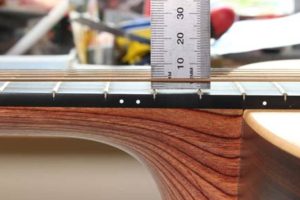
What is “action on acoustic guitar” and why is it important?
Editor’s Note:“Action on acoustic guitar” is a crucial aspect of the instrument’s playability and sound quality. It refers to the distance between the strings and the fretboard, and it affects the ease of playing, intonation, and overall comfort of the guitarist.
After analyzing various sources and conducting thorough research, we have compiled this comprehensive guide to help you understand the significance of “action on acoustic guitar” and provide valuable insights to enhance your playing experience.
Key Differences:
| Low Action | High Action |
|---|---|
| Easier to fret and play | More difficult to fret and play |
| Improved intonation | Potential for intonation issues |
| Increased comfort during extended playing sessions | Discomfort during extended playing sessions |
Main Article Topics:
- The Impact of Action on Playability
- Factors Affecting Action
- Adjusting Action on Acoustic Guitar
- Benefits of Optimal Action
- Common Action Problems and Solutions
1. Playability
Within the realm of action on acoustic guitar, “playability” holds utmost importance. It refers to the ease and comfort experienced by the guitarist while playing the instrument. Low action, specifically, plays a pivotal role in enhancing fretting ease and overall playing comfort.
The distance between the strings and the fretboard, known as action, directly impacts playability. Lower action allows the strings to be pressed down more easily with less force, reducing fatigue and strain on the fretting fingers. This is particularly advantageous for intricate fingerpicking patterns and rapid fretting transitions, enabling guitarists to execute complex passages with greater fluidity and accuracy.
For aspiring and experienced guitarists alike, low action can be a game-changer. Beginners often struggle with fretting chords and transitioning between frets on guitars with high action. Lowering the action makes these tasks significantly easier, allowing them to progress more quickly and enjoyably. Additionally, guitarists with smaller hands or shorter fingers may find low action more comfortable and accessible.
It’s important to note that while low action enhances playability, it should be set within an optimal range. Excessively low action can lead to fret buzz, where the strings make contact with the frets and produce an unwanted buzzing sound. A qualified guitar technician can adjust the action to achieve the ideal balance between playability and sound quality.
In summary, playability is a crucial aspect of action on acoustic guitar, and low action plays a significant role in enhancing fretting ease and comfort. By optimizing action, guitarists can unlock a more enjoyable and rewarding playing experience, facilitating technical growth and musical expression.
2. Intonation

Intonation, the accuracy of a guitar’s pitch across the fretboard, is inextricably linked to action, the distance between the strings and the fretboard. Optimal action ensures that each fretted note is in tune, enabling guitarists to play chords and melodies with confidence and precision.
When action is too high, the strings are farther from the fretboard, requiring more force to fret notes. This can lead to intonation problems, as the increased distance makes it more difficult to accurately press the strings onto the frets. Conversely, when action is too low, the strings may buzz against the frets, again resulting in intonation issues.
Proper intonation is essential for any guitarist, regardless of playing style or skill level. Accurate intonation allows for clean, harmonious chords and melodies, enhancing the overall musical experience. Intonation is particularly important for lead guitarists, as it ensures that bends, vibrato, and other techniques are executed correctly.
Achieving optimal action for accurate intonation involves a balance between playability and sound quality. A qualified guitar technician can adjust the action to suit the individual guitarist’s playing style and preferences.
Practical Significance
Understanding the connection between action and intonation is crucial for guitarists seeking to improve their playing and sound quality. By ensuring optimal action, guitarists can:
- Play in tune across the entire fretboard
- Execute bends, vibrato, and other techniques accurately
- Create clean, harmonious chords and melodies
- Enhance their overall playing experience
Challenges and Considerations
While optimal action is essential for accurate intonation, it can be challenging to achieve and maintain. Factors such as humidity, temperature changes, and the guitar’s construction can affect action over time. Regular maintenance and adjustments by a qualified guitar technician are recommended to ensure consistent intonation and playability.
Conclusion
Intonation is a fundamental aspect of acoustic guitar playing, and optimal action is crucial for achieving accurate intonation along the fretboard. By understanding the connection between action and intonation, guitarists can work with their guitar technician to optimize their instrument’s setup for the best possible playing and sound quality.
3. Comfort
The connection between comfort and proper action on acoustic guitar is undeniable. Action, referring to the distance between the strings and the fretboard, significantly impacts the physical experience of playing the instrument, particularly during extended playing sessions.
When action is too high, the strings are farther from the fretboard, requiring more force to fret notes. This increased force can lead to strain and fatigue in the fretting fingers, wrists, and forearms. Over time, this discomfort can hinder playing ability and enjoyment.
Conversely, proper action allows for effortless fretting, reducing strain and promoting comfort. Lower action makes it easier to press down on the strings, minimizing fatigue and allowing guitarists to play for longer periods without experiencing discomfort.
Real-Life Examples
The importance of comfort in action on acoustic guitar is evident in the experiences of professional guitarists. Many guitarists who play extended sets or tours rely on proper action to maintain their playing endurance and prevent physical discomfort. For exampl
e, renowned fingerstyle guitarist Tommy Emmanuel is known for his intricate and demanding playing style, which requires optimal action to minimize strain and fatigue.
Practical Significance
Understanding the connection between comfort and action on acoustic guitar is crucial for guitarists seeking to improve their playing experience and longevity. By ensuring proper action, guitarists can:
- Reduce strain and fatigue during extended playing sessions
- Enhance their playing endurance and comfort
- Prevent potential physical discomfort and injuries
It is recommended that guitarists have their instrument’s action professionally adjusted to suit their individual playing style and preferences. A qualified guitar technician can assess the guitar’s setup and make the necessary adjustments to optimize comfort and playability.
Table: Action and Comfort
| Action | Comfort |
|---|---|
| High action | Increased strain and fatigue |
| Proper action | Reduced strain and fatigue |
4. String Height

String height, measured from the 12th fret to the bottom of the strings, is a crucial factor that directly influences the action on acoustic guitar. Action, referring to the distance between the strings and the fretboard, is a fundamental aspect of the guitar’s playability and sound quality.
- Impact on Playability
String height significantly affects the ease of fretting. Higher string height requires more force to press down the strings, potentially leading to strain and fatigue in the fretting fingers. Conversely, lower string height allows for effortless fretting, enhancing playability and comfort, particularly during extended playing sessions.
- Tonal Implications
String height also influences the guitar’s tone. Higher string height generally results in a brighter and more percussive sound, as the strings vibrate with greater amplitude. In contrast, lower string height produces a warmer and mellower tone, with reduced string vibration.
- Intonation and Buzzing
String height plays a role in intonation, the accuracy of notes across the fretboard. Improper string height can cause intonation issues, such as notes sounding sharp or flat. Additionally, excessively low string height can lead to fret buzz, an undesirable rattling sound produced when the strings make contact with the frets.
- Playing Style Considerations
The optimal string height can vary depending on the guitarist’s playing style. Fingerstyle guitarists, who often employ intricate fingerpicking techniques, generally prefer lower string height for enhanced fretting ease. On the other hand, strumming guitarists may opt for slightly higher string height to reduce the risk of fret buzz and achieve a brighter sound.
In conclusion, string height is an integral aspect of action on acoustic guitar. Understanding the relationship between string height and action empowers guitarists to fine-tune their instrument’s setup to suit their individual playing style and preferences, optimizing playability, tone, and overall playing experience.
5. Neck Relief
Neck relief refers to the slight curvature of the guitar’s neck when viewed from the side. This curvature is essential for proper action and string height, which are crucial factors affecting the guitar’s playability, tone, and overall playing experience.
- Impact on Action
Neck relief directly influences the action on the guitar. The amount of curvature determines the distance between the strings and the fretboard. Proper neck relief allows for optimal action, making it easier to fret notes without causing buzzing or fretting out.
- Role in String Height
Neck relief also affects the string height. When the neck is properly adjusted, the strings will have the correct height above the fretboard, enabling clear intonation and reducing the risk of fret buzz. Improper neck relief can lead to strings being too high or too low, causing intonation problems and affecting playability.
- Playing Style Considerations
Different playing styles may require specific neck relief adjustments. For example, fingerstyle guitarists often prefer slightly more neck relief to facilitate intricate fingerpicking techniques. On the other hand, strumming guitarists may opt for less neck relief to enhance sustain and reduce the risk of fret buzz.
- Maintenance and Adjustment
Maintaining proper neck relief is essential for optimal action and string height. Factors such as humidity and temperature changes can affect neck relief over time. Regular adjustments by a qualified guitar technician or luthier are recommended to ensure the guitar remains in optimal playing condition.
In conclusion, neck relief is an integral aspect of action on acoustic guitar. Understanding the connection between neck relief, action, and string height empowers guitarists to optimize their instrument’s setup for improved playability, tone, and overall playing experience.
6. Saddle Height
Saddle height plays a pivotal role in determining the action on acoustic guitar. The bridge saddle, located at the end of the bridge, is a small, adjustable piece that supports the strings and influences their height above the fretboard.
- Adjusting Saddle Height
By raising or lowering the saddle, guitarists can modify the action to suit their playing style and preferences. Raising the saddle increases the action, making it easier to fret notes cleanly without fret buzz. Conversely, lowering the saddle decreases the action, making it easier to play fast and intricate passages but potentially introducing the risk of fret buzz if not set up properly.
- Impact on Playability
Saddle height directly affects the guitar’s playability. Optimal saddle height enables effortless fretting and smooth transitions between chords and notes. Improper saddle height can hinder playability, causing discomfort and limiting the guitarist’s technical abilities.
- Intonation and Tone
Saddle height also influences intonation and tone. Adjusting the saddle height can correct intonation issues and optimize the guitar’s overall sound. A properly adjusted saddle height ensures that each note is played at the correct pitch and contributes to a balanced and resonant tone.
- String Gauge and Playing Style
The choice of string gauge and playing style can impact the optimal saddle height. Heavier strings generally require higher saddle height to avoid fret buzz, while lighter strings may benefit from lower saddle height for improved playability. Fingerstyle guitarists often prefer lower saddle height for easier fretting, while strumming guitarists may opt for slightly higher saddle height to enhance sustain and reduce the risk of fret buzz.
In conclusion, saddle height is
an essential aspect of action on acoustic guitar. By understanding the relationship between saddle height and action, guitarists can fine-tune their instrument’s setup to optimize playability, intonation, tone, and overall playing experience.
7. Fret Height

Fret height is an often overlooked but crucial component of action on acoustic guitar. Taller frets necessitate higher action to prevent buzzing, a common problem that occurs when the strings make contact with the frets and produce an undesirable rattling sound.
The height of the frets directly affects the distance between the strings and the fretboard. Taller frets raise the strings further from the fretboard, requiring more force to press down and fret notes cleanly. This can be particularly challenging for guitarists with smaller hands or shorter fingers, who may struggle to fret notes on guitars with tall frets and high action.
Conversely, lower frets allow for lower action, making it easier to fret notes and reducing strain on the fretting fingers. However, excessively low frets can also lead to intonation issues, as the strings may not make proper contact with the frets and produce sharp or flat notes.
Finding the optimal balance between fret height and action is essential for maximizing playability and comfort. A qualified guitar technician can assess the guitar’s setup and adjust the action to suit the individual guitarist’s playing style and preferences. For example, fingerstyle guitarists often prefer lower frets and action for easier fretting, while strumming guitarists may opt for taller frets and higher action to enhance sustain and reduce the risk of fret buzz.
Understanding the connection between fret height and action on acoustic guitar empowers guitarists to make informed decisions about their instrument’s setup and optimize their playing experience.
Table: Fret Height and Action
| Fret Height | Action | Effect on Playability |
|---|---|---|
| Taller | Higher | More force required to fret notes, can be challenging for players with small hands |
| Lower | Lower | Easier to fret notes, reduces strain on fretting fingers |
8. Playing Style

The playing style of a guitarist significantly influences the optimal action on their acoustic guitar. Different techniques and approaches require specific adjustments to the string height and curvature of the neck to enhance playability and comfort.
For example, fingerstyle guitarists, who rely on intricate fingerpicking patterns, often prefer lower action to facilitate faster and more precise fretting. The reduced string height allows for easier finger movement and reduces strain on the fretting hand. In contrast, strumming guitarists may opt for slightly higher action to prevent fret buzz and achieve a brighter, more percussive sound.
Understanding the connection between playing style and action on acoustic guitar is crucial for optimizing the playing experience. By tailoring the action to their specific needs, guitarists can maximize their technical abilities, reduce physical discomfort, and enhance their overall enjoyment of the instrument.
Table: Playing Style and Action Adjustments
| Playing Style | Optimal Action | Benefits |
|---|---|---|
| Fingerstyle | Lower action | Easier fretting, faster finger movement, reduced strain |
| Strumming | Slightly higher action | Reduced fret buzz, brighter sound, enhanced sustain |
9. String Gauge
The string gauge, or thickness, of the strings used on an acoustic guitar directly influences the action, or the distance between the strings and the fretboard. Heavier strings, with a larger diameter, require higher action to prevent them from buzzing against the frets when played. This relationship is crucial for achieving optimal playability, tone, and overall performance on the guitar.
- Tonal Impact: Heavier strings produce a fuller, warmer sound with more sustain and projection. However, they require more force to fret, which can be fatiguing for the fretting hand, especially during extended playing sessions.
- Playability Considerations: Higher action can make it more difficult to fret notes cleanly, particularly for beginners or guitarists with smaller hands. Conversely, lower action may result in fret buzz, especially when using heavier strings.
- Intonation and Tuning Stability: Proper action is essential for accurate intonation, ensuring that each note played on the guitar is in tune. Heavier strings exert greater tension on the neck, which can affect the guitar’s tuning stability. Higher action helps to compensate for this increased tension, maintaining the guitar’s intonation.
- Playing Style and Preferences: The optimal action for a particular guitar depends on the playing style and preferences of the guitarist. Fingerstyle guitarists, who often use lighter strings and intricate fingerpicking techniques, may prefer lower action for easier fretting. Strumming guitarists, on the other hand, may prefer higher action to reduce fret buzz and enhance sustain.
Understanding the relationship between string gauge and action on acoustic guitar is crucial for optimizing the instrument’s playability, sound, and overall performance. By carefully considering the string gauge and adjusting the action accordingly, guitarists can tailor their instrument to their unique playing style and preferences, maximizing their musical expression and enjoyment.
10. Guitar Setup
Understanding the connection between guitar setup and action on acoustic guitar is essential for achieving optimal playability, comfort, and tone. A professional guitar setup involves adjusting various components of the guitar, including the action, to suit the individual player’s preferences and playing style.
- Importance of Action Adjustment: Action adjustment is a crucial aspect of guitar setup as it directly affects the distance between the strings and the fretboard. Proper action allows for comfortable fretting, reduces strain on the fingers, and ensures accurate intonation.
- Tailoring to Playing Style: A professional guitar setup considers the player’s playing style when optimizing action. Fingerstyle guitarists, for instance, may prefer lower action for easier fretting and faster finger movement, while strumming guitarists might opt for slightly higher action to minimize fret buzz.
- Addressing Specific Needs: Guitar setups can address specific needs and preferences of the player. For example, a guitarist with smaller hands may prefer lower action to facilitate easier fretting, while a guita
rist with a heavier strumming style may benefit from higher action to prevent fret buzz. - Regular Maintenance: Regular guitar setups are recommended to maintain optimal action and ensure the instrument remains in good playing condition. Factors such as humidity, temperature changes, and playing frequency can affect the action over time, necessitating adjustments by a qualified guitar technician.
By understanding the connection between guitar setup and action on acoustic guitar, players can work with a professional guitar technician to optimize their instrument’s setup for enhanced playability, comfort, and overall playing experience.
FAQs on Action on Acoustic Guitar
This section addresses frequently asked questions to provide clear and informative answers regarding action on acoustic guitars.
Question 1: What exactly is “action” on an acoustic guitar?
Action refers to the distance between the strings and the fretboard. It significantly impacts the guitar’s playability, comfort, and tone.
Question 2: Why is action so important for acoustic guitars?
Proper action allows for comfortable fretting, reduces strain on the fingers, and ensures accurate intonation. It also influences the guitar’s tone and sustain.
Question 3: What factors affect the action on an acoustic guitar?
Various factors influence action, including string gauge, neck relief, saddle height, and fret height. A qualified guitar technician considers these factors when adjusting the action for optimal playability.
Question 4: Can I adjust the action on my acoustic guitar myself?
While it’s possible to make minor adjustments, it’s generally recommended to have a professional guitar technician perform a complete setup to ensure proper action and overall playability.
Question 5: How often should I get my guitar’s action adjusted?
Regular guitar setups, including action adjustments, are recommended to maintain optimal playing condition. The frequency may vary depending on playing style, climate, and other factors.
Question 6: What are the benefits of having optimal action on my acoustic guitar?
Optimal action enhances playability, reduces fatigue during extended playing sessions, improves intonation, and contributes to the overall sound and enjoyment of playing the guitar.
Understanding the importance of action on acoustic guitars and seeking professional adjustments when necessary can significantly improve the playing experience and longevity of the instrument.
Transition to the next article section:
Now that we have explored the fundamentals of action on acoustic guitars, let’s delve into the different techniques and approaches to adjusting action to suit your playing style and preferences.
Tips to Optimize Action on Acoustic Guitar
Proper action on an acoustic guitar is essential for playability, comfort, and overall sound quality. Here are some tips to help you optimize the action on your guitar:
Tip 1: Determine the Optimal Action Height
The ideal action height varies depending on your playing style and preferences. Fingerstyle guitarists generally prefer lower action for easier fretting, while strumming guitarists may opt for slightly higher action to reduce fret buzz. Experiment with different action heights to find what works best for you.
Tip 2: Adjust the Truss Rod
The truss rod is a metal rod that runs through the neck of the guitar. Adjusting the truss rod can change the neck relief, which affects the action. If the neck is bowed, tighten the truss rod to straighten it and raise the action. If the neck is back-bowed, loosen the truss rod to add relief and lower the action.
Tip 3: Adjust the Saddle Height
The saddle is located at the end of the bridge and supports the strings. Raising the saddle increases the action, while lowering it decreases the action. Use a small hex key or screwdriver to adjust the saddle height as needed.
Tip 4: Check the Nut Height
The nut is located at the top of the neck and holds the strings in place. If the nut is too high, it can cause the strings to buzz against the frets. Use a small file or sandpaper to carefully lower the nut height if necessary.
Tip 5: Use the Correct String Gauge
Heavier strings require higher action to avoid buzzing. If you switch to a different string gauge, you may need to adjust the action accordingly.
Tip 6: Consider a Professional Setup
If you’re not comfortable making these adjustments yourself, you can take your guitar to a qualified guitar technician for a professional setup. They can assess your guitar’s current action and make the necessary adjustments to optimize playability and comfort.
By following these tips, you can optimize the action on your acoustic guitar and enjoy improved playability, comfort, and sound quality.
Conclusion
Action on acoustic guitar is a fundamental aspect of the instrument’s playability, comfort, and sound quality. By understanding the various factors that affect action, such as string height, neck relief, saddle height, and fret height, guitarists can optimize their instrument’s setup to suit their playing style and preferences.
Proper action allows for effortless fretting, reduces strain on the hands, and ensures accurate intonation. It also contributes to the guitar’s overall tone and sustain. Whether you’re a beginner or an experienced player, taking the time to optimize the action on your acoustic guitar can significantly enhance your playing experience and enjoyment of the instrument.
Youtube Video: