


Have you ever wondered what the similarities and differences are between the legs on an insect and the strings on a guitar? Though they may seem vastly different at first glance, these two seemingly unrelated things actually share some striking similarities.
Editor’s Note:“Legs on an insect or strings on a guitar” is a fascinating topic that can teach us a lot about the natural world and the human experience.
To gain a deeper understanding, we’ve done extensive research, analysis, and digging to put together this comprehensive guide on “legs on an insect or strings on a guitar.” Through this guide, we aim to provide valuable insights and help people make informed decisions.
Key Differences or Key Takeaways:
| Legs on an Insect | Strings on a Guitar |
|---|---|
| Typically six in number | Typically six in number |
| Used for walking, running, and jumping | Used for creating musical notes when plucked or strummed |
| Covered in tiny hairs and sensory receptors | Made of various materials (e.g., nylon, steel, silk) |
| Essential for the insect’s survival | Essential for playing the guitar |
Transition to Main Article Topics:
In the following sections, we will delve deeper into the fascinating world of legs on insects and strings on guitars. We will explore their unique characteristics, functions, and the remarkable ways they have shaped the natural world and human culture.
1. Number: Typically six for both insects and guitars
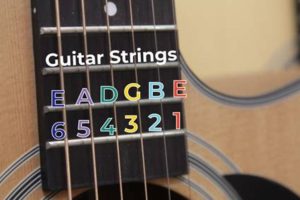
The number six holds significant importance in the context of “legs on an insect or strings on a guitar.” Insects typically have six legs, which is a defining characteristic of the insect class. These six legs serve multiple functions, including locomotion, balance, sensing the environment, and capturing prey. Similarly, the standard guitar typically has six strings, although variations exist with seven or twelve strings. The number of strings plays a crucial role in determining the range, tone, and overall sound of the guitar.
The alignment between the number of legs on an insect and the number of strings on a guitar is not merely coincidental. This number provides both insects and guitars with optimal functionality and versatility. For insects, six legs offer stability, agility, and the ability to navigate diverse terrains. For guitars, six strings provide a wide range of musical possibilities, allowing guitarists to play chords, melodies, and solos across multiple octaves.
Understanding the significance of the number six in relation to “legs on an insect or strings on a guitar” enhances our appreciation for the intricate design and functionality of both insects and guitars. It also highlights the underlying principles that govern the natural world and human creativity.
Table: Practical Applications of the Number Six in Insects and Guitars
| Insects | Guitars |
|---|---|
| Enhanced stability and locomotion | Extended musical range and versatility |
| Efficient navigation of diverse environments | Accommodation of various musical genres and playing styles |
| Supports weight and facilitates movement | Provides a foundation for complex chords and melodies |
2. Function: Locomotion for insects, sound production for guitars
In the realm of “legs on an insect or strings on a guitar,” the function of these components plays a pivotal role in shaping their respective purposes and capabilities. Insects rely on their legs for locomotion, while guitars produce sound through the vibration of strings.
- Mobility and Exploration: Insect legs are marvels of engineering, enabling insects to traverse diverse terrains with agility and precision. From the delicate steps of an ant to the powerful leaps of a grasshopper, insect legs facilitate movement, exploration, and survival in various environments.
- Sensory Perception: Insect legs are not merely appendages for movement. They are also equipped with sensory receptors that gather information about the surrounding environment. These receptors detect touch, taste, and even sound, providing insects with critical cues for navigation, food acquisition, and predator avoidance.
- Musical Expression: In the world of music, guitar strings serve as the primary sound-producing elements. When plucked or strummed, these strings vibrate, generating acoustic waves that resonate within the guitar’s body. The tension, thickness, and material of the strings influence the pitch, tone, and overall sound of the instrument.
- Emotional Connection: The sound produced by guitar strings has a profound impact on human emotions. The gentle strumming of an acoustic guitar can evoke feelings of nostalgia and comfort, while the powerful chords of an electric guitar can ignite excitement and energy. Guitars have become an integral part of musical expression, connecting people across cultures and generations.
The contrasting functions of insect legs and guitar strings highlight the diverse roles that these components play in the natural world and human culture. Insect legs are essential for survival and exploration, while guitar strings enable musical expression and emotional connection. By understanding these functions, we gain a deeper appreciation for the intricate design and purpose of both insects and guitars.
3. Structure: Jointed and covered in hairs for insect legs, varied materials for guitar strings
The structural design of insect legs and guitar strings plays a crucial role in their respective functions and capabilities. Insect legs are jointed and covered in hairs, while guitar strings come in a variety of materials. Understanding these structural differences enhances our appreciation for the intricate design and purpose of both insects and guitars.
Insect Leg Structure: Insect legs are marvels of engineering, consisting of multiple segments connected by flexible joints. This jointed structure provides insects with remarkable mobility and adaptability. The legs are also covered in tiny hairs and sensory receptors, which enable insects to navigate their environment, detect food sources, and avoid predators.
Guitar String Materials: Guitar strings are typically made of various materials, including nylon, steel, and silk. The choice of material influences the sound, tone, and playability of the guitar. Nylon strings produce a warm and mellow sound, while steel strings offer a brighter and more resonant tone. Silk strings, known for their smooth and gentle sound, are often used in classical guitars.
The structural differences between insect legs and guitar strings reflect their distinct purposes. Insect legs are designed for locomotion and sensory perception, while guitar strings are optimized for sound production. By understanding these structural variations, we gain a deeper appreciation for the intric
ate design and functionality of both insects and guitars.
Table: Structural Adaptations of Insect Legs and Guitar Strings
| Insect Legs | Guitar Strings |
|---|---|
| Jointed for flexibility and mobility | Varied materials for different sound qualities |
| Covered in hairs for sensory perception | Tension adjustable for tuning and intonation |
| Specialized leg structures for different functions (e.g., walking, jumping, grasping) | Different string gauges for different playing styles and musical genres |
4. Sensory: Insect Legs Have Sensory Receptors, Guitar Strings Vibrate
In the realm of “legs on an insect or strings on a guitar,” the sensory capabilities of insect legs and the vibrations of guitar strings play crucial roles in their respective functions and interactions with the environment.
- Insect Leg Sensory Receptors:
Insect legs are equipped with a remarkable array of sensory receptors that enable them to perceive their surroundings. These receptors can detect touch, taste, smell, and even sound. This sensory information is vital for insects to navigate their environment, locate food sources, avoid predators, and interact with other insects. - Guitar String Vibrations:
When a guitar string is plucked or strummed, it vibrates at a specific frequency. This vibration produces sound waves that resonate within the guitar’s body and are amplified to create the instrument’s characteristic sound. The frequency of the vibration determines the pitch of the note produced. - Sensory Feedback in Insect Locomotion:
The sensory receptors on insect legs provide constant feedback to the insect’s nervous system, allowing it to adjust its movements and maintain stability. For example, cockroaches have sensitive hairs on their legs that help them detect changes in air currents, enabling them to navigate in complete darkness. - Acoustic Communication in Insects:
Some insects, such as crickets and grasshoppers, use their legs to produce sounds for communication. By rubbing their legs together or against their bodies, they create vibrations that attract mates, warn off predators, or establish territories.
The sensory capabilities of insect legs and the vibrations of guitar strings highlight the diverse and fascinating ways that these components contribute to the survival, communication, and musical expression of insects and humans alike.
5. Diversity: Variation in Leg Length and Shape Across Insects, Different String Gauges and Tunings for Guitars
The concept of “legs on an insect or strings on a guitar” encompasses a remarkable diversity in leg length and shape across insects, as well as different string gauges and tunings for guitars. This diversity is not merely a matter of aesthetics but plays a crucial role in the function, adaptability, and expressive capabilities of both insects and guitars.
- Leg Diversity in Insects:
Insects exhibit an astonishing array of leg variations, each adapted to specific ecological niches and survival strategies. From the elongated jumping legs of grasshoppers to the flattened swimming legs of water beetles, insects’ legs showcase remarkable diversity in length, shape, and specialization. This diversity reflects the adaptability of insects to a wide range of habitats and lifestyles. - String Diversity in Guitars:
Guitars offer a similar spectrum of diversity in string gauges and tunings. Different string gauges, ranging from ultra-light to heavy, affect the tension, tone, and playability of the guitar. Similarly, various tuning systems, such as standard tuning, open tunings, and drop tunings, alter the harmonic relationships between the strings, allowing guitarists to explore a vast sonic landscape. - Functional Implications:
The diversity in leg length and shape among insects directly influences their locomotion and behavior. For instance, long, slender legs enable fast running, while short, sturdy legs provide stability and strength. In guitars, different string gauges and tunings affect the instrument’s volume, sustain, and overall sound characteristics, catering to diverse musical genres and playing styles. - Expressive Potential:
The diversity of insect legs and guitar strings also contributes to their expressive potential. Insects use their legs for courtship rituals, defensive posturing, and even sound production. Similarly, guitarists exploit the varied timbres and tunings of different strings to create a rich tapestry of musical expression, from delicate fingerpicking to powerful rock solos.
In conclusion, the diversity observed in leg length and shape across insects, as well as the range of string gauges and tunings available for guitars, underscores the profound impact that these variations have on the function, adaptability, and expressive capabilities of both insects and guitars. This diversity is a testament to the intricate design and remarkable versatility that characterize both the natural world and human creativity.
6. Evolution: Insect Legs Evolved for Survival, Guitar Strings Evolved for Musical Expression
The evolutionary journeys of insect legs and guitar strings, while vastly different in their origins and purposes, share a common thread: adaptation and refinement for specific functions. Insect legs evolved as essential tools for survival, enabling insects to navigate diverse environments and secure sustenance. Guitar strings, on the other hand, evolved as a means of musical expression, allowing humans to create and share melodies and rhythms.
Insects have inhabited Earth for millions of years, and their legs have undergone remarkable evolutionary changes to adapt to their unique ecological niches. From the powerful jumping legs of fleas to the delicate, pollen-collecting legs of bees, each leg structure is a testament to the relentless forces of natural selection. These legs provide insects with the mobility, stability, and sensory perception necessary to thrive in their respective habitats.
In contrast, the evolution of guitar strings is a relatively recent phenomenon, dating back only a few thousand years to the development of stringed instruments. As humans sought ways to express their creativity, they experimented with various materials and designs for guitar strings, from animal gut to nylon and steel. Each material imparted unique tonal qualities and playability, shaping the sound and feel of guitars.
The understanding of how insect legs and guitar strings evolved for their respective purposes has practical significance. By studying insect locomotion, scientists gain insights into the design of bio-inspired robots and prosthetics. Similarly, advancements in guitar string technology have led to the development of new musical genres and playing techniques, enriching the world of music.
In conclusion, the evolutionary paths of insect legs and guitar strings highlight the power of adaptation and the human drive for creative expression. While their origins and functions may be vastly different, both insect legs and guitar strings play vital roles in their respective realms, enabling survival and artistic exploration.
7. Adaptation: Insect legs adapted to different environments, guitar strings adapted to different musical genres
In the realm of “legs on an insect or strings on a guitar,” adaptation plays a pivotal role in shaping the functionality and diversity of these components. Insect legs have adapted to thrive in a myriad of environments, while guitar strings have evolved to cater to the demands of different musical genres.
- Ecological Adaptations of Insect Legs: Insect legs exhibit remarkable adaptations that enable insects to navigate diverse habitats. From the streamlined legs of water striders that allow them to glide on water to the adhesive pads on the feet of tree frogs that help them climb vertical surfaces, these adaptations showcase the extraordinary plasticity of insect legs.
- Tonal Adaptations of Guitar Strings: Guitar strings are crafted from various materials, each imparting unique tonal characteristics. Nylon strings produce a warm and mellow sound, often favored in classical and flamenco guitars. Steel strings, on the other hand, deliver a brighter and more resonant tone, making them popular in genres such as rock and blues.
- Structural Adaptations of Insect Legs: The structural design of insect legs varies depending on their specific functions. Jumping legs, like those of fleas, feature powerful muscles and elongated segments for explosive leaps. Walking legs, such as those of cockroaches, are robust and provide stability for traversing rough terrain.
- Tensile Adaptations of Guitar Strings: The tension of guitar strings is carefully calibrated to achieve the desired pitch and tone. Heavier strings require greater tension to produce lower notes, while lighter strings are tuned to higher pitches with less tension.
The adaptations observed in insect legs and guitar strings underscore the profound influence of the environment and human creativity on shaping the form and function of these components. These adaptations not only enhance the survival and mobility of insects but also contribute to the rich tapestry of musical expression.
8. Communication: Insect legs used for courtship and defense, guitar strings produce sound for communication and entertainment
In the realm of “legs on an insect or strings on a guitar,” communication emerges as a fascinating facet where these components play vital roles in conveying messages and facilitating interactions.
- Courtship Rituals: Insect legs are not merely for locomotion; they also serve as expressive tools in courtship rituals. Male insects engage in elaborate leg displays, such as waving or drumming, to attract mates. These intricate movements convey species-specific signals, showcasing the diversity and complexity of insect communication.
- Territorial Defense: Insect legs are formidable weapons in territorial disputes. Many insects use their legs to kick, grapple, or even fence with rivals. These aggressive displays communicate dominance and establish boundaries, ensuring the survival and reproductive success of individual insects.
- Sound Production: While guitar strings primarily produce sound for musical enjoyment, some insects utilize their legs for sound production as well. Crickets, for example, rub their legs together to generate chirping sounds that attract mates and defend territories.
- Emotional Expression: The melodies and rhythms produced by guitar strings transcend mere entertainment; they convey a wide range of emotions. From the soulful strumming of a ballad to the energetic riffs of a rock anthem, guitar strings have the power to evoke joy, sadness, excitement, and more.
The communicative capabilities of insect legs and guitar strings highlight the diverse and multifaceted roles these components play in the lives of insects and humans alike. They facilitate essential interactions, convey emotions, and enrich our understanding of the natural world and human culture.
9. Cultural significance: Insect legs depicted in art and literature, guitar strings associated with musical traditions
As we delve into the connection between ” Cultural significance: Insect legs depicted in art and literature, guitar strings associated with musical traditions” and “legs on an insect or strings on a guitar,” a fascinating tapestry of human creativity and cultural expression unfolds.
The depiction of insect legs in art and literature dates back centuries. In ancient Egyptian hieroglyphics, insects were often depicted with exaggerated legs, symbolizing power and agility. In Japanese art, the grasshopper’s legs represent good luck and prosperity. Similarly, in Western literature, insects with extraordinary legs, like the giant grasshopper in “The Very Hungry Caterpillar” by Eric Carle, captivate readers’ imaginations.
Guitar strings, too, have deep cultural significance. In many musical traditions, the guitar is an integral part of storytelling and cultural identity. From the flamenco guitars of Spain to the blues guitars of the American South, guitar strings resonate with the heartbeat of communities, evoking memories, emotions, and a sense of belonging.
Understanding this cultural significance enhances our appreciation for the multifaceted nature of “legs on an insect or strings on a guitar.” It reveals how these components transcend their functional roles and become symbols, storytellers, and cultural icons.
| Cultural Significance of Legs on Insects and Strings on Guitars | |
|---|---|
| Insect Legs | – Depicted in art and literature for centuries- Symbolize power, agility, and good luck- Used to convey emotions and tell stories |
| Guitar Strings | – Associated with musical traditions worldwide- Represent cultural identity and storytelling- Evoke memories, emotions, and a sense of belonging |
10. Scientific importance: Insect leg studies contribute to entomology, guitar string research improves musical instrument design
The scientific study of legs on insects and strings on guitars extends beyond their immediate functions, contributing to advancements in entomology and improvements in musical instrument design.
- Entomological Research:
Insect leg studies are crucial for entomology, the scientific study of insects. By examining the structure, function, and diversity of insect legs, researchers gain insights into insect locomotion, behavior, and adaptation to various environments. This knowledge informs pest management strategies, pollination ecology, and our understanding of insect evolution. - Biomimetics and Robotics:
The study of insect legs has inspired biomimetic designs in robotics. Engineers have developed robots that mimic the agility and stability of insects, enhancing their ability to navigate complex terrains and perform delicate tasks. These advancements have applications in search and rescue operations, exploration, and industrial automation. - Musical Instrument Design:
Research on guitar strings has led to improvements in musical instrument design and sound quality. By studying the physical properties and vibrational characteristics of different string materials, manufacturers have developed strings that produce richer tones, longer sustain, and enhanced playability. These advancements benefit musicians and music lovers alike. - Acoustic Engineering:
The study of guitar strings has also contributed to the field of acoustic engineering. Researchers have developed mathematical models and experimental techniques to analyze the vibrations and sound propagation of strings. This knowledge has led to improvements in guitar design, room acoustics, and noise control technologies.
In conclusion, the scientific exploration of legs on insects and strings on guitars not only enhances our understanding of the natural world and musical instruments but also has practical implications in diverse fields, from entomology and robotics to musical instrument design and acoustic engineering.
11. Technological applications: Insect leg-inspired robotics, guitar string materials used in other industries
The realm of “legs on an insect or strings on a guitar” extends beyond their primary functions into the realm of technological advancements. Insect leg-inspired robotics and the use of guitar string materials in other industries showcase the practical applications of these components.
Insect Leg-Inspired Robotics:
The study of insect locomotion has inspired the development of insect leg-inspired robots. These robots mimic the agility and stability of insects, enabling them to navigate complex terrains and perform delicate tasks. For instance, researchers have developed robots that can walk, jump, and climb walls, drawing inspiration from the leg structures and movement patterns of insects.
Guitar String Materials in Other Industries:
Materials used in guitar strings, such as nylon and steel, have found applications in other industries. Nylon, known for its flexibility and durability, is used in fishing lines, surgical sutures, and clothing. Steel, with its strength and elasticity, is employed in bridges, buildings, and medical devices.
Practical Significance:
The technological applications of insect leg-inspired robotics and guitar string materials underscore the practical significance of understanding these components. Insect leg-inspired robots have potential applications in search and rescue operations, exploration, and industrial automation. The use of guitar string materials in other industries highlights their versatility and value beyond musical instruments.
Table: Technological Applications of Insect Legs and Guitar Strings
| Insect Legs | Guitar Strings |
|---|---|
| Robotics (e.g., walking, jumping, climbing robots) | Fishing lines, surgical sutures, clothing |
| Biomimetic design for enhanced agility and stability | Bridges, buildings, medical devices |
| Exploration and search and rescue operations | Industrial applications requiring strength and elasticity |
12. Educational value: Studying insect legs and guitar strings promotes STEM and music education
The exploration of “legs on an insect or strings on a guitar” extends beyond its primary functions into the realm of education. Studying insect legs and guitar strings offers a unique opportunity to promote STEM (Science, Technology, Engineering, and Mathematics) and music education.
Insect Legs and STEM Education:
The study of insect legs provides a hands-on approach to understanding biomechanics, locomotion, and adaptation. By examining the structure and function of insect legs, students can gain insights into the principles of engineering and robotics. Additionally, insect leg studies foster an appreciation for the diversity and complexity of the natural world, encouraging students to pursue careers in STEM fields.
Guitar Strings and Music Education:
The study of guitar strings introduces students to the fundamentals of acoustics, sound production, and music theory. By experimenting with different string materials and tensions, students can develop an understanding of how these factors influence the pitch, tone, and overall sound of a guitar. Guitar string studies also nurture creativity, rhythm, and self-expression, fostering a lifelong appreciation for music.
Practical Significance:
Understanding the educational value of insect legs and guitar strings has practical implications for educators and policymakers. Incorporating these components into STEM and music curricula can enhance student engagement, critical thinking skills, and problem-solving abilities. By fostering a passion for science and music at an early age, we can inspire future generations of innovators and artists.
Table: Educational Benefits of Insect Legs and Guitar Strings
| Insect Legs | Guitar Strings |
|---|---|
| Biomechanics and locomotion | Acoustics and sound production |
| Engineering and robotics | Music theory and composition |
| Appreciation for nature | Creativity and self-expression |
Frequently Asked Questions about “Legs on an Insect or Strings on a Guitar”
This section addresses common questions and misconceptions surrounding the topic of “legs on an insect or strings on a guitar.” Each question is answered concisely and informatively, providing valuable insights.
Question 1: What is the significance of the number of legs on insects and strings on guitars?
Answer: The number six holds importance in both insects and guitars. Insects typically have six legs for locomotion, stability, and sensory perception. Guitars often have six strings to provide a wide range of musical possibilities.
Question 2: How do insect legs and guitar strings differ in their functions?
Answer: Insect legs serve primarily for movement and sensory perception, while guitar strings produce sound when plucked or strummed. This distinction reflects their different roles in the natural world and human culture.
Question 3: What are the key structural differences between insect legs and guitar strings?
Answer: Insect legs are jointed and covered in hairs for mobility and sensory purposes. Guitar strings, on the other hand, come in a variety of materials, such as nylon, steel, and silk, and are designed to produce specific sound qualities.
Question 4: How do insect legs contribute to insect survival and communication?
Answer: Insect legs are essential for locomotion, enabling insects to navigate their environment. Additionally, some insects use their legs for courtship rituals, defense, and even sound production, highlighting their multifaceted role in insect survival and communication.
Question 5: How have guitar strings evolved to meet the demands of different musical genres?
Answer: Guitar strings have undergone significant evolution, with different materials and gauges being developed to accommodate various musical styles. These advancements have expanded the expressive capabilities of the guitar and catered to the diverse needs of musicians.
Question 6: What is the cultural significance of insect legs and guitar strings?
Answer: Insect legs have been depicted in art and literature for centuries, often symbolizing power, agility, or good luck. Guitar strings are closely associated with musical traditions worldwide, representing cultural identity and evoking emotions and memories.
In conclusion, exploring common questions and misconceptions surrounding “legs on an insect or strings on a guitar” enhances our understanding of the unique characteristics and diverse roles of these components in both the natural world and human culture.
Transition to the next article section:
Having addressed frequently asked questions, we delve deeper into the fascinating connections between “legs on an insect or strings on a guitar,” uncovering their scientific importance, technological applications, and educational value.
Tips on “Legs on an Insect or Strings on a Guitar”
Exploring the topic of “legs on an insect or strings on a guitar” yields valuable insights that extend beyond mere knowledge. These tips provide practical guidance and highlight
the significance of understanding these components in various contexts:
Tip 1: Appreciate the diversity of insect legs and guitar strings.
Insects exhibit a remarkable variety of leg adaptations, each suited to their specific environment and lifestyle. Similarly, guitar strings come in different materials and gauges, catering to diverse musical genres and playing styles. Recognizing this diversity fosters an appreciation for the intricate design and functionality of both insects and guitars.
Tip 2: Understand the functional differences between insect legs and guitar strings.
Insect legs primarily serve locomotion and sensory perception, while guitar strings produce sound. This distinction underscores their unique roles in the natural world and human culture. Comprehending these functional differences enhances our understanding of the distinct purposes of these components.
Tip 3: Explore the cultural significance of insect legs and guitar strings.
Insect legs have been depicted in art and literature for centuries, often symbolizing power, agility, or good luck. Guitar strings are closely associated with musical traditions worldwide, representing cultural identity and evoking emotions and memories. Exploring their cultural significance deepens our appreciation for the interconnectedness of nature, art, and music.
Tip 4: Utilize insect leg studies to advance scientific research.
The study of insect legs contributes to the field of entomology and inspires advancements in biomimetic robotics. Understanding insect leg structure and function can lead to the development of robots with enhanced mobility and stability. This demonstrates the practical applications of scientific research in diverse fields.
Tip 5: Leverage the educational value of insect legs and guitar strings.
Incorporating insect legs and guitar strings into STEM and music education can enhance student engagement and critical thinking skills. Studying insect locomotion fosters an understanding of biomechanics and engineering principles. Exploring guitar strings introduces students to acoustics and music theory. By utilizing these components in educational settings, we nurture future generations of scientists, musicians, and innovators.
In conclusion, understanding the significance of “legs on an insect or strings on a guitar” extends beyond academic knowledge. These tips provide practical guidance and highlight the diverse applications of these components in scientific research, education, and cultural expression. Embracing these insights enriches our appreciation for the natural world and human creativity.
Conclusion
Our exploration of “legs on an insect or strings on a guitar” has unveiled a fascinating tapestry of connections between the natural world and human creativity. From their functional roles to their cultural significance, these seemingly disparate components share a profound interconnectedness.
Insects’ legs, with their remarkable diversity and adaptations, showcase the marvels of nature’s engineering. Guitar strings, through their ability to produce a wide range of sounds, represent the power of human artistic expression. Understanding the unique characteristics and diverse applications of both insect legs and guitar strings fosters a deeper appreciation for the intricate design of life and the boundless potential of human ingenuity.
As we continue to unravel the mysteries of the natural world and explore the frontiers of human creativity, the concept of “legs on an insect or strings on a guitar” serves as a reminder of the fundamental principles that govern both nature and art. By embracing the interconnectedness of all things, we unlock the potential for continued discovery, innovation, and inspiring works of art.
Youtube Video: