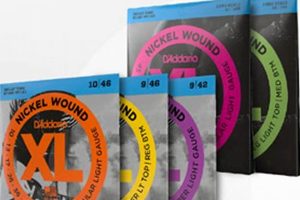
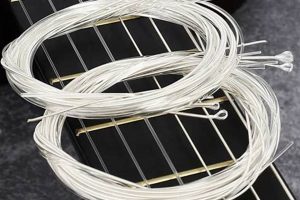
Every guitarist has broken a string at the worst possible moment. Whether you’re in the middle of a performance or just practicing in your bedroom, a broken string can be a major inconvenience. That’s why it’s important to have a few spare strings on hand. But what if you only need one string? Do you really need to buy a whole new set? The answer is no, you can buy single guitar strings.
Editor’s Note: Buying single guitar strings is a great way to save money and reduce waste. Instead of buying a whole new set of strings, you can just replace the one that broke. This is especially helpful if you only need one string, such as the high E string.
In this guide, we’ll tell you everything you need to know about buying single guitar strings. We’ll cover the different types of strings available, the pros and cons of each type, and how to choose the right strings for your guitar. We’ll also provide some tips on how to change a guitar string.
| Nylon | Warm, mellow sound | Not as bright as other types of strings |
| Steel | Bright, clear sound | Can be harsh on the fingers |
| Nickel-plated steel | A good compromise between nylon and steel | Not as warm as nylon, not as bright as steel |
Once you’ve chosen the right type of string, you need to decide what gauge you want. The gauge of a string refers to its thickness. Thicker strings produce a warmer, fuller sound, while thinner strings produce a brighter, more articulate sound. The gauge of your strings will also affect the tension of your guitar. Thicker strings will require more tension, while thinner strings will require less tension.
If you’re not sure what gauge of strings to get, you can start with a medium gauge. This is a good all-around gauge that will work well for most guitars and playing styles. Once you’ve had some experience playing with different gauges, you can experiment with different thicknesses to find the ones that you like best.
Now that you know everything you need to know about buying single guitar strings, you can go out and find the perfect strings for your guitar. With a little bit of research, you can find the strings that will give you the sound and feel that you’re looking for.
1. Type of string

The type of string you choose will have a significant impact on the sound and feel of your guitar. Nylon strings are warm and mellow, with a softer feel than steel strings. Steel strings are brighter and louder, with a harder feel. Nickel-plated steel strings are a good compromise between nylon and steel, with a brighter sound than nylon strings and a softer feel than steel strings.
When choosing a string type, it is important to consider the type of guitar you are playing. Nylon strings are typically used on classical guitars, while steel strings are used on acoustic and electric guitars. Nickel-plated steel strings can be used on either type of guitar.
Once you have chosen a string type, you need to decide on the gauge. The gauge of a string refers to its thickness. Thicker strings produce a warmer, fuller sound, while thinner strings produce a brighter, more articulate sound. The gauge of your strings will also affect the tension of your guitar. Thicker strings will require more tension, while thinner strings will require less tension.
If you are not sure what gauge of strings to get, you can start with a medium gauge. This is a good all-around gauge that will work well for most guitars and playing styles. Once you have had some experience playing with different gauges, you can experiment with different thicknesses to find the ones that you like best.
Here is a table summarizing the key differences between nylon, steel, and nickel-plated steel strings:
| Type of string | Sound | Feel | Tension |
|---|---|---|---|
| Nylon | Warm and mellow | Soft | Low |
| Steel | Bright and loud | Hard | High |
| Nickel-plated steel | A good compromise between nylon and steel | Medium | Medium |
2. Gauge

The gauge of a guitar string refers to its thickness. Thicker strings produce a warmer, fuller sound, while thinner strings produce a brighter, more articulate sound. The gauge of your strings will also affect the tension of your guitar. Thicker strings will require more tension, while thinner strings will require less tension.
- Thicker strings are typically used for lower tunings, such as drop D or C standard. This is because thicker strings can handle the lower tension without going out of tune.
- Thinner strings are typically used for higher tunings, such as standard E or A440. This is because thinner strings can produce the higher pitches without breaking.
- The gauge of your strings will also affect the playability of your guitar. Thicker strings are harder to bend and stretch, while thinner strings are easier to bend and stretch. This can be a factor to consider if you are a beginner guitarist or if you play a lot of lead guitar.
- When choosing the gauge of your strings, it is important to consider the type of guitar you are playing. Acoustic guitars typically use thicker strings than electric guitars. This is because acoustic guitars have a longer scale length and need more tension to produce a good sound. Electric guitars typically use thinner strings because they have a shorter scale length and do not need as much tension.
Ultimately, the best way to choose the right gauge of strings for your guitar is to experiment. Try different gauges and see what works best for you. There is no right or wrong answer, and it is a matter of personal preference.
3. Tension
The tension of a guitar string is the amount of force required to stretch it to its proper pitch. Tension is an important factor to consider when buying single guitar strings, as it can affect the sound, feel, and playability of the string.
Strings with higher tension are typically brighter and louder, while strings with lower tension are typically warmer and mellower. Higher tension strings are also harder to bend and stretch, while lower tension strings are easier to bend and stretch. The tension of a string is also affected by its gauge, with thicker strings having higher tension than thinner strings.
When choosing the tension of your strings, it is important to consider the type of guitar you are playing, the style of
music you play, and your personal preferences. If you are not sure what tension of strings to get, you can start with a medium tension set. This is a good all-around tension that will work well for most guitars and playing styles.
Here is a table summarizing the key differences between high tension and low tension strings:
| Tension | Sound | Feel | Playability |
|---|---|---|---|
| High | Brighter and louder | Harder to bend and stretch | More difficult to play for beginners |
| Low | Warmer and mellower | Easier to bend and stretch | Easier to play for beginners |
Ultimately, the best way to choose the right tension of strings for your guitar is to experiment. Try different tensions and see what works best for you. There is no right or wrong answer, and it is a matter of personal preference.
4. Sound
The sound of a guitar string is determined by a number of factors, including the material the string is made of, the tension of the string, and the thickness of the string. When buying single guitar strings, it is important to consider the sound you want to achieve. If you are looking for a warm, mellow sound, you will want to choose a string made of nylon or gut. If you are looking for a brighter, more articulate sound, you will want to choose a string made of steel or nickel-plated steel.
The tension of the string will also affect the sound. Higher tension strings produce a brighter, louder sound, while lower tension strings produce a warmer, mellower sound. The thickness of the string will also affect the sound. Thicker strings produce a warmer, fuller sound, while thinner strings produce a brighter, more articulate sound.
When choosing the sound of your guitar strings, it is important to consider the type of guitar you are playing, the style of music you play, and your personal preferences. If you are not sure what sound you want to achieve, you can start with a medium tension, medium gauge string. This is a good all-around string that will work well for most guitars and playing styles.
Here is a table summarizing the key factors that affect the sound of a guitar string:
| Factor | Effect on sound |
|---|---|
| Material | Nylon or gut strings produce a warm, mellow sound. Steel or nickel-plated steel strings produce a brighter, more articulate sound. |
| Tension | Higher tension strings produce a brighter, louder sound. Lower tension strings produce a warmer, mellower sound. |
| Thickness | Thicker strings produce a warmer, fuller sound. Thinner strings produce a brighter, more articulate sound. |
By understanding the connection between sound and the factors that affect it, you can choose the single guitar strings that will give you the sound you want.
5. Feel
When it comes to buying single guitar strings, the feel of the string is an important factor to consider. The feel of the string can affect your playing style, your comfort level, and even your tone. Here are a few things to keep in mind when considering the feel of a guitar string:
- Material: The material of the string will have a big impact on the feel of the string. Nylon strings are softer and warmer to the touch than steel strings, while steel strings are brighter and more articulate. Nickel-plated steel strings are a good compromise between nylon and steel, with a brighter sound than nylon strings and a softer feel than steel strings.
- Gauge: The gauge of the string refers to its thickness. Thicker strings are harder to bend and stretch, while thinner strings are easier to bend and stretch. The gauge of the string will also affect the tension of the string, with thicker strings having higher tension than thinner strings.
- Texture: The texture of the string can also affect the feel of the string. Some strings have a smooth texture, while others have a rough texture. The texture of the string can affect the way it feels under your fingers, and it can also affect the sound of the string.
- Coating: Some strings are coated with a thin layer of material, such as nylon or fluorocarbon. This coating can help to protect the string from corrosion and wear, and it can also affect the feel of the string. Coated strings are typically smoother to the touch than uncoated strings.
Ultimately, the best way to choose the right feel for your guitar strings is to experiment. Try different strings and see what feels best for you. There is no right or wrong answer, and it is a matter of personal preference.
6. Durability
The durability of a guitar string is an important factor to consider when buying single guitar strings. A durable string will last longer, saving you money in the long run. Here are a few things that affect the durability of a guitar string:
- Material: The material of the string will have a big impact on its durability. Nylon strings are less durable than steel strings, but they are also softer and warmer to the touch. Steel strings are more durable, but they can be harder on your fingers. Nickel-plated steel strings are a good compromise between nylon and steel, with a brighter sound than nylon strings and a softer feel than steel strings.
- Gauge: The gauge of the string refers to its thickness. Thicker strings are more durable than thinner strings. This is because thicker strings have more mass, which makes them less likely to break when they are stretched or plucked.
- Coating: Some strings are coated with a thin layer of material, such as nylon or fluorocarbon. This coating can help to protect the string from corrosion and wear, which can extend the life of the string.
- Playing style: The way you play guitar can also affect the durability of your strings. If you play aggressively, you are more likely to break strings than if you play gently.
By considering these factors, you can choose single guitar strings that will last longer and give you the best value for your money.
7. Price
When buying single guitar strings, the price is an important factor to consider. The cost of a single guitar string can vary depending on the brand, the material, the gauge, and the coating. It is important to find a balance between price and quality. Cheaper strings may not last as long or sound as good as more expensive strings. However, more expensive strings are not always better. It is important to find strings that fit your budget and your needs.
Here are a few tips for saving money on single guitar strings:
- Buy in bulk. Buying a pack of strings is often cheaper than buying them individually.
- Look for sales. Many music stores offer sales on guitar strings t
hroughout the year. - Use coupons. There are often coupons available for guitar strings in newspapers, magazines, and online.
- Buy from a reputable dealer. This will help you to ensure that you are getting quality strings at a fair price.
By following these tips, you can save money on single guitar strings without sacrificing quality.
Here is a table summarizing the key factors that affect the price of a single guitar string:
| Factor | Effect on price |
|---|---|
| Brand | More expensive brands typically charge more for their strings. |
| Material | Strings made of more expensive materials, such as nickel-plated steel, cost more than strings made of less expensive materials, such as nylon. |
| Gauge | Thicker strings are more expensive than thinner strings. |
| Coating | Coated strings are more expensive than uncoated strings. |
8. Availability

When buying single guitar strings, availability is an important factor to consider. If you need a specific type of string, such as a particular brand, gauge, or material, you want to make sure that it is easy to find. Otherwise, you may end up wasting time and money searching for the string you need.
- Online retailers: Online retailers like Amazon and Sweetwater have a wide selection of single guitar strings from all the major brands. This is a great option if you are looking for a specific type of string that may not be available at your local music store.
- Local music stores: Local music stores typically have a smaller selection of single guitar strings than online retailers. However, they may have a wider selection of strings from local brands or smaller manufacturers. This is a great option if you are looking for something unique or if you want to support your local music community.
- Guitar manufacturers: Some guitar manufacturers also sell single guitar strings. This is a great option if you are looking for strings that are specifically designed for your guitar model.
- Classified ads: Classified ads can be a great place to find used guitar strings. This is a good option if you are on a budget or if you are looking for a specific type of string that is no longer available.
By considering these factors, you can find the single guitar strings you need quickly and easily.
9. Brand
When buying single guitar strings, the brand of the string manufacturer is an important factor to consider. A reputable brand is more likely to produce high-quality strings that will last longer and sound better. Here are a few things to keep in mind when considering the brand of your guitar strings:
- Quality: The quality of a guitar string is determined by a number of factors, including the materials used, the construction, and the quality control process. Reputable brands typically use high-quality materials and construction methods, and they have a rigorous quality control process to ensure that their strings meet their standards.
- Consistency: Reputable brands are also known for their consistency. This means that you can expect their strings to sound and feel the same every time you buy them. This is important for guitarists who want to be able to rely on their strings to perform consistently.
- Innovation: Reputable brands are also often at the forefront of innovation. They are constantly developing new and improved strings to meet the needs of guitarists. This means that you can be sure that you are getting the latest and greatest strings when you buy from a reputable brand.
Of course, the brand of your guitar strings is just one factor to consider when buying single guitar strings. However, it is an important factor to keep in mind, and it is one that can help you to make an informed decision about which strings to buy.
10. Reviews
When buying single guitar strings, it is important to consider the reviews of other guitarists. This is because reviews can provide you with valuable insights into the quality, sound, and feel of a particular string. By reading reviews, you can get a better idea of what to expect before you buy a string. This can help you to avoid buying a string that you are not happy with.
There are a few things to keep in mind when reading reviews. First, it is important to consider the source of the review. Is the review from a reputable source, such as a guitar magazine or website? Or is it from a less reputable source, such as a forum or social media site? The source of the review can give you a good indication of the reliability of the information.
Second, it is important to consider the content of the review. Does the review provide detailed information about the string? Does the reviewer explain why they liked or disliked the string? The content of the review can help you to make a more informed decision about whether or not to buy the string.
Finally, it is important to consider the overall tone of the review. Is the reviewer positive or negative about the string? The overall tone of the review can give you a good indication of how other guitarists feel about the string.
By considering the source, content, and tone of reviews, you can use them to make more informed decisions about which single guitar strings to buy.
Here are a few examples of how reviews can help you to buy single guitar strings:
- If you are looking for a new set of strings for your acoustic guitar, you can read reviews from other guitarists to get an idea of which strings are the best for your guitar and playing style.
- If you are trying to decide between two different brands of strings, you can read reviews from other guitarists to see which brand is more popular and has better reviews.
- If you are looking for a specific type of string, such as a string with a particular gauge or coating, you can read reviews from other guitarists to see which strings meet your needs.
By reading reviews, you can get a better idea of what to expect before you buy single guitar strings. This can help you to avoid buying a string that you are not happy with.
11. Warranty
When buying single guitar strings, it is important to consider the warranty offered by the manufacturer. A warranty is a guarantee that the string will be free from defects in materials and workmanship for a specified period of time. This is important because it gives you peace of mind knowing that you can get a replacement string if the one you purchased is defective.
- Length of warranty: The length of the warranty can vary from manufacturer to manufacturer. Some manufacturers offer a lifetime warranty, while others offer a warranty for a specific period of time, such as one year or two years. It is important to choose a manufacturer that
offers a warranty that meets your needs. - Coverage: The coverage of the warranty is also important to consider. Some warranties cover only defects in materials and workmanship, while others also cover damage caused by normal use. It is important to read the warranty carefully to understand what is covered and what is not.
- Replacement process: The replacement process is also important to consider. Some manufacturers make it easy to get a replacement string, while others have a more complicated process. It is important to choose a manufacturer that has a simple and easy replacement process.
- Reputation: The reputation of the manufacturer is also important to consider. Some manufacturers have a good reputation for standing behind their products, while others do not. It is important to do some research to find a manufacturer that has a good reputation.
By considering the factors above, you can choose a manufacturer that offers a warranty that meets your needs. This will give you peace of mind knowing that you can get a replacement string if the one you purchased is defective.
FAQs About Buying Single Guitar Strings
This FAQ section addresses common questions and misconceptions about buying single guitar strings.
Question 1: What are the benefits of buying single guitar strings?
Answer: Buying single guitar strings offers several benefits. It allows you to replace only the broken string, saving money compared to purchasing a whole new set. You can also customize your guitar’s sound by mixing and matching different string types and gauges.
Question 2: What factors should I consider when choosing single guitar strings?
Answer: When choosing single guitar strings, consider the type of string (nylon, steel, or nickel-plated steel), gauge (thickness), tension, sound, feel, durability, price, availability, brand, and reviews from other guitarists.
Question 3: How do I determine the right gauge for single guitar strings?
Answer: The appropriate gauge depends on your playing style, guitar type, and desired sound. Thicker strings produce a warmer, fuller sound with higher tension, while thinner strings offer a brighter, more articulate sound with lower tension. Experiment with different gauges to find the ones that suit your preferences.
Question 4: What is the difference between nylon, steel, and nickel-plated steel strings?
Answer: Nylon strings are warm and mellow, with a softer feel. Steel strings are brighter and louder, with a harder feel. Nickel-plated steel strings offer a compromise, providing a brighter sound than nylon strings and a softer feel than steel strings.
Question 5: How can I ensure the durability of single guitar strings?
Answer: Choose strings made of durable materials like steel or nickel-plated steel. Opt for thicker gauges and consider strings with protective coatings. Avoid aggressive playing styles and store your guitar in a climate-controlled environment to extend string life.
Question 6: Where can I find single guitar strings for sale?
Answer: Single guitar strings are available at music stores, both online and in person. You can also find them through guitar manufacturers and classified ads.
Understanding these factors will help you make informed decisions when buying single guitar strings, ensuring you find the perfect strings to enhance your playing experience.
Proceed to the next section to explore additional insights related to buying single guitar strings.
Tips for Buying Single Guitar Strings
Purchasing single guitar strings offers numerous advantages, including cost savings and customization options. Here are some valuable tips to guide your decision-making process:
Tip 1: Assess Your Guitar and Playing Style
Consider the type of guitar you have (acoustic or electric) and your playing style (strumming, fingerpicking, etc.). Different guitars and playing techniques may require specific string gauges and materials.
Tip 2: Choose the Right Material
Strings are typically made of nylon, steel, or nickel-plated steel. Nylon strings offer a warm and mellow sound, while steel strings provide a brighter and louder tone. Nickel-plated steel strings strike a balance between these two materials.
Tip 3: Determine the Appropriate Gauge
String gauge refers to the thickness of the string. Thicker strings produce a fuller sound with higher tension, while thinner strings offer a brighter sound with lower tension. Experiment with different gauges to find the ones that suit your preferences.
Tip 4: Consider Durability and Longevity
Choose strings made of durable materials and with protective coatings to extend their lifespan. Avoid exposing your guitar to extreme temperatures or humidity, as this can shorten the life of the strings.
Tip 5: Explore Different Brands and Reviews
Research various guitar string brands and read reviews from other users. This will provide insights into the quality, sound, and performance of different strings before making a purchase.
Tip 6: Take Advantage of Bulk Discounts
Buying strings in bulk can often save you money. Consider purchasing multi-packs or bundles that offer a discounted price per string.
Tip 7: Visit Local Music Stores
Local music stores may offer a wider selection of strings, allowing you to physically inspect and compare different options. They can also provide expert advice based on your specific needs.
Tip 8: Utilize Online Retailers
Online retailers offer a vast inventory of guitar strings. They often provide detailed product descriptions, customer reviews, and convenient home delivery options.
By following these tips, you can make informed decisions when buying single guitar strings, ensuring you find the perfect strings to enhance your playing experience.
Conclusion on Buying Single Guitar Strings
Purchasing single guitar strings presents guitarists with a cost-effective and customizable solution for maintaining and enhancing their instruments. By considering factors such as string type, gauge, material, durability, and brand, guitarists can make informed decisions that align with their playing style and guitar’s characteristics.
Exploring online retailers, local music stores, and reading reviews from other users empowers guitarists with the knowledge and insights necessary to find the perfect single guitar strings. Whether seeking to replace a broken string or experiment with different sounds and feels, guitarists can confidently navigate the world of single guitar strings, ensuring their instruments are always ready to perform at their best.
Youtube Video: