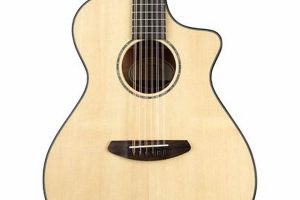
When it comes to learning guitar, one of the most important factors to consider is the quality of your strings. For beginners, choosing the right strings can make all the difference in terms of playability, sound, and overall enjoyment. In this beginner’s guide to guitar strings, we’ll explore the different types of strings available, discuss the key differences between them, and provide tips on choosing the right strings for your needs.
Editor’s Note: Choosing the best beginner guitar strings is an important decision that can impact your playing experience. Our team has analyzed the different types of strings available and put together this guide to help you make the right choice.
Key Differences:
| Feature | Nylon Strings | Steel Strings |
|---|---|---|
| Material | Nylon | Steel |
| Tension | Lower tension | Higher tension |
| Sound | Warm, mellow sound | Bright, twangy sound |
| Playability | Easier to play for beginners | More challenging to play |
Choosing the Right Strings for Beginners:
When choosing guitar strings for beginners, there are a few key factors to consider:
- Material: Nylon strings are a popular choice for beginners because they are easier to play and produce a warmer, mellower sound. Steel strings, on the other hand, are more challenging to play but produce a brighter, twangier sound.
- Tension: String tension refers to how tightly the strings are stretched. Lower tension strings are easier to play, while higher tension strings are more difficult to play. Beginners should start with lower tension strings and gradually move to higher tension strings as they become more experienced.
- Gauge: String gauge refers to the thickness of the strings. Thicker strings produce a louder, fuller sound, while thinner strings produce a brighter, more articulate sound. Beginners should start with lighter gauge strings and gradually move to heavier gauge strings as they become more experienced.
By following these tips, you can choose the best beginner guitar strings for your needs and make your learning experience more enjoyable.
1. Material

The material of your guitar strings is one of the most important factors to consider when choosing the best beginner guitar strings. Nylon and steel are the two most common types of guitar strings, and each has its own unique advantages and disadvantages.
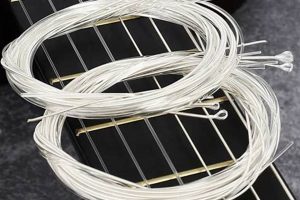
Nylon strings are made from a synthetic material called nylon, and they are known for their warm, mellow sound. Nylon strings are also softer and more flexible than steel strings, making them easier to play for beginners. However, nylon strings are not as durable as steel strings, and they can stretch and break more easily.
Steel strings are made from a metal alloy, and they are known for their bright, twangy sound. Steel strings are also more durable than nylon strings, and they can withstand higher tension. However, steel strings are more difficult to play for beginners, and they can cause finger pain.
Ultimately, the best way to choose between nylon and steel strings is to consider your own playing style and preferences. If you are a beginner, nylon strings may be a better choice because they are easier to play. If you are more experienced, steel strings may be a better choice because they produce a brighter sound and are more durable.
Here is a table summarizing the key differences between nylon and steel strings:
| Feature | Nylon Strings | Steel Strings |
|---|---|---|
| Material | Synthetic material (nylon) | Metal alloy |
| Sound | Warm, mellow sound | Bright, twangy sound |
| Playability | Easier to play for beginners | More difficult to play for beginners |
| Durability | Not as durable as steel strings | More durable than nylon strings |
| Cost | Less expensive than steel strings | More expensive than nylon strings |
2. Tension
The tension of your guitar strings is an important factor to consider when choosing the best beginner guitar strings. String tension refers to how tightly the strings are stretched, and it can affect the playability, sound, and durability of your strings.
- Lower tension strings are easier to play, which can be beneficial for beginners. They also produce a warmer, mellower sound. However, lower tension strings can be more prone to buzzing and intonation problems.
- Higher tension strings are more difficult to play, but they produce a brighter, more articulate sound. They are also less prone to buzzing and intonation problems. However, higher tension strings can be harder on your fingers and can cause pain if you are not used to them.
Ultimately, the best way to choose the right string tension for you is to experiment with different types of strings and see what feels and sounds the best to you. If you are a beginner, you may want to start with lower tension strings and gradually move to higher tension strings as you become more experienced.
3. Gauge
The gauge of your guitar strings refers to the thickness of the strings. Thinner strings are easier to play, but they produce a quieter sound. Thicker strings are more difficult to play, but they produce a louder, fuller sound.
For beginner guitarists, it is generally recommended to start with thinner strings. This is because thinner strings are easier to press down and bend, which can make learning the guitar less frustrating. As you become more experienced, you may want to switch to thicker strings, which will give you a louder, fuller sound.
Here is a table summarizing the key differences between thinner and thicker strings:
| Feature | Thinner Strings | Thicker Strings |
|---|---|---|
| Thickness | Thinner | Thicker |
| Playability | Easier to play | More difficult to play |
| Sound | Quieter sound | Louder, fuller sound |
Ultimately, the best way to choose the right guitar string gauge for you is to experiment with different types of strings and see what feels and sou
nds the best to you.
4. Playability
Playability is one of the most important factors to consider when choosing the best beginner guitar strings. Easier-to-play strings can make learning the guitar less frustrating and more enjoyable, while more challenging strings can be more difficult to press down and bend, which can make learning the guitar more difficult.
There are a few factors that affect the playability of guitar strings, including:
- String tension: Lower tension strings are easier to play than higher tension strings.
- String gauge: Thinner strings are easier to play than thicker strings.
- String material: Nylon strings are easier to play than steel strings.
For beginner guitarists, it is generally recommended to start with easier-to-play strings. This will make learning the guitar less frustrating and more enjoyable. As you become more experienced, you may want to switch to more challenging strings, which will give you a louder, fuller sound.
Here is a table summarizing the key differences between easier-to-play and more challenging guitar strings:
| Feature | Easier-to-play strings | More challenging strings |
|---|---|---|
| Tension | Lower tension | Higher tension |
| Gauge | Thinner | Thicker |
| Material | Nylon | Steel |
| Playability | Easier to play | More difficult to play |
Ultimately, the best way to choose the right guitar strings for you is to experiment with different types of strings and see what feels and sounds the best to you.
5. Sound
The sound of your guitar strings is one of the most important factors to consider when choosing the best beginner guitar strings. The sound of your strings will affect the overall tone of your guitar, and it can also make a big difference in your playing style.
Warm strings produce a mellow, rounded sound that is often preferred by beginner guitarists. Warm strings are also easier to play, as they require less finger pressure to fret. However, warm strings can be less responsive than brighter strings, and they may not be suitable for all genres of music.
Bright strings produce a clear, articulate sound that is often preferred by more experienced guitarists. Bright strings are also more responsive than warm strings, and they can be used to play a wider variety of genres of music. However, bright strings can be more difficult to play, as they require more finger pressure to fret.
Ultimately, the best way to choose between warm and bright strings is to experiment with different types of strings and see what sounds best to you. However, if you are a beginner guitarist, it is generally recommended to start with warm strings. Warm strings are easier to play and they produce a mellow, rounded sound that is ideal for beginners.
As your playing skills develop, you may want to experiment with different types of strings to see what sounds best for your playing style and the music you play.
Here is a table summarizing the key differences between warm and bright strings:
| Feature | Warm strings | Bright strings |
|---|---|---|
| Sound | Mellow, rounded sound | Clear, articulate sound |
| Playability | Easier to play | More difficult to play |
| Responsiveness | Less responsive | More responsive |
| Versatility | Less versatile | More versatile |
6. Durability
When choosing the best beginner guitar strings, it is important to consider the durability of the strings. The durability of guitar strings is determined by a number of factors, including the material of the strings, the gauge of the strings, and the playing style of the guitarist.
- Material: The material of the strings is one of the most important factors that affects the durability of the strings. Nylon strings are generally more durable than steel strings, and they are less likely to break. However, steel strings produce a brighter sound than nylon strings, so they may be a better choice for some guitarists.
- Gauge: The gauge of the strings refers to the thickness of the strings. Thicker strings are generally more durable than thinner strings. However, thicker strings can be more difficult to play, so they may not be a good choice for beginners.
- Playing style: The playing style of the guitarist can also affect the durability of the strings. Guitarists who play aggressively are more likely to break strings than guitarists who play more gently.
Ultimately, the best way to choose the most durable guitar strings for your needs is to experiment with different types of strings and see what works best for you. However, by considering the factors discussed above, you can make a more informed decision about which strings to buy.
7. Cost

The cost of guitar strings is an important consideration for beginner guitarists. Guitar strings can range in price from a few dollars to over $50, and the price can vary depending on the brand, material, and gauge of the strings.
For beginner guitarists, it is important to find a balance between affordability and quality. While it is tempting to buy the cheapest strings possible, it is important to remember that cheaper strings are often made from lower-quality materials and are more likely to break. This can be frustrating for beginner guitarists, who are still learning how to play the guitar and may not be able to afford to replace broken strings frequently.
A good rule of thumb is to spend around $10-$20 on a set of guitar strings. This will get you a set of strings that are made from good-quality materials and are less likely to break. As you become more experienced, you can experiment with different brands and gauges of strings to find the ones that you like the best.
Here is a table summarizing the key points to consider when choosing guitar strings:
| Factor | Considerations |
|---|---|
| Cost | Beginner guitarists should expect to spend around $10-$20 on a set of strings. |
| Brand | There are many different brands of guitar strings available, so it is important to do some research to find a brand that you like. |
| Material |
Guitar strings can be made from a variety of materials, including nylon, steel, and nickel-plated steel. Nylon strings are less expensive than steel strings, but they are also more likely to break. Steel strings are more durable than ny lon strings, but they can be more difficult to play. Nickel-plated steel strings are a good compromise between nylon and steel strings. |
| Gauge | The gauge of a guitar string refers to its thickness. Thicker strings are more durable than thinner strings, but they can be more difficult to play. Thinner strings are easier to play, but they are more likely to break. Beginner guitarists should start with a set of strings that are in the middle of the gauge range. |
By considering these factors, you can choose a set of guitar strings that are right for your needs and budget.
8. Brand
When choosing the best beginner guitar strings, the brand of the strings is an important consideration. Popular brands of guitar strings are often more expensive than lesser-known brands, but they are also more likely to be made from high-quality materials and construction. This can make a big difference in the sound, playability, and durability of the strings.
Popular brands of guitar strings include Fender, Gibson, D’Addario, and Ernie Ball. These brands have been making guitar strings for many years, and they have a reputation for producing high-quality products. Lesser-known brands of guitar strings may not have the same reputation as popular brands, but they can still offer good quality strings at a lower price.
Ultimately, the best way to choose the best beginner guitar strings is to experiment with different brands and see what works best for you. However, if you are looking for a good starting point, choosing a set of strings from a popular brand is a good option.
Here is a table summarizing the key points to consider when choosing guitar strings:
| Factor | Considerations |
|---|---|
| Brand | Popular brands of guitar strings are often more expensive than lesser-known brands, but they are also more likely to be made from high-quality materials and construction. |
| Price | Lesser-known brands of guitar strings may not have the same reputation as popular brands, but they can still offer good quality strings at a lower price. |
| Sound | The brand of guitar strings can affect the sound of your guitar. Popular brands of guitar strings often have a brighter sound than lesser-known brands. |
| Playability | The brand of guitar strings can also affect the playability of your guitar. Popular brands of guitar strings are often easier to play than lesser-known brands. |
| Durability | The brand of guitar strings can also affect the durability of your strings. Popular brands of guitar strings are often more durable than lesser-known brands. |
By considering these factors, you can choose a set of guitar strings that are right for your needs and budget.
9. Reviews

When choosing the best beginner guitar strings, it is important to consider the reviews of other guitarists. Reviews can provide valuable insights into the sound, playability, durability, and overall quality of different guitar strings. Positive reviews can indicate that the strings are well-made, sound great, and are easy to play. Negative reviews, on the other hand, can indicate that the strings are poorly made, sound bad, or are difficult to play.
- Sound: Reviews can provide valuable insights into the sound of different guitar strings. Some guitarists prefer strings that produce a bright, clear sound, while others prefer strings that produce a warm, mellow sound. Reading reviews can help you find strings that produce the sound you are looking for.
- Playability: Reviews can also provide valuable insights into the playability of different guitar strings. Some guitarists prefer strings that are easy to bend and fret, while others prefer strings that are more resistant to bending and fretting. Reading reviews can help you find strings that are easy to play for your playing style.
- Durability: Reviews can also provide valuable insights into the durability of different guitar strings. Some guitar strings are more durable than others, and they can withstand more playing time before they need to be replaced. Reading reviews can help you find strings that are durable enough for your playing needs.
- Overall quality: Reviews can also provide valuable insights into the overall quality of different guitar strings. Some guitar strings are made from high-quality materials and construction, while others are made from lower-quality materials and construction. Reading reviews can help you find strings that are well-made and will last for a long time.
By considering the reviews of other guitarists, you can make an informed decision about which guitar strings are the best for you. Reviews can help you find strings that sound great, are easy to play, and are durable enough for your playing needs.
10. Versatility
When choosing the best beginner guitar strings, it is important to consider the versatility of the strings. Versatile strings are suitable for playing a variety of different genres of music, from rock to country to blues. This is important for beginner guitarists who are still exploring their musical interests and have not yet settled on a particular genre.
There are a number of factors that contribute to the versatility of guitar strings. One factor is the material of the strings. Nylon strings are generally more versatile than steel strings, as they produce a warmer, mellower sound that is well-suited for a variety of genres. Steel strings, on the other hand, produce a brighter, more twangy sound that is better suited for genres such as rock and country.
Another factor that contributes to the versatility of guitar strings is the gauge of the strings. Thinner strings are generally more versatile than thicker strings, as they are easier to bend and fret. This makes them well-suited for a variety of genres, including rock, pop, and blues. Thicker strings, on the other hand, produce a louder, fuller sound that is better suited for genres such as metal and hard rock.
By considering the versatility of guitar strings, beginner guitarists can choose a set of strings that will allow them to play a variety of different genres of music. This will help them to develop their musical skills and explore their musical interests without having to buy multiple sets of strings.
Here is a table summarizing the key insights on the connection between versatility and best beginner guitar strings:
| Factor | Considerations |
|---|---|
| Material | Nylon strings are generally more versatile than steel strings, as they produce a warmer, mellower sound that is well-suited for a variety of genres. |
| Gauge | Thinner strings are generally more versatile than thicker strings, as they are easier to bend and fret. This makes them well-suited for a variety of genres, including rock, pop, and blues. |
11. Availability

When choosing the best beginner guitar strings, it is important to consider the availability of the strings. This is especially important for beginner guitarists who may not have access to a wide variety of music stores or who may live in remote areas.
- Availability in local music stores: One of the most important factors to consider is the availability of the strings in local music stores. If you live in a large city, you may have access to a wide variety of music stores that carry a variety of guitar strings. However, if you live in a small town or rural area, you may only have access to a limited number of music stores. In this case, it is important to choose strings that are available in your local music store.
- Availability online: Another important factor to consider is the availability of the strings online. If you have access to the internet, you can purchase guitar strings from a variety of online retailers. This is a great option for guitarists who live in remote areas or who do not have access to a local music store. However, it is important to factor in the cost of shipping when purchasing strings online.
- Availability of different brands and gauges: It is also important to consider the availability of different brands and gauges of strings. If you are a beginner guitarist, you may not know which brand or gauge of strings is best for you. In this case, it is important to choose strings that are available in a variety of brands and gauges. This will allow you to experiment with different strings to find the ones that you like best.
By considering the availability of guitar strings, you can choose a set of strings that is easy to find and that meets your needs.
12. Personal preference

Ultimately, the best beginner guitar strings for you are the ones that feel and sound the best to you. This is a personal preference that can only be determined by experimenting with different strings and seeing what works for you.
There are a few factors that can affect your personal preference for guitar strings, including:
- Playing style: Your playing style can affect the type of strings that you prefer. For example, if you play a lot of lead guitar, you may prefer strings that are easy to bend. If you play a lot of rhythm guitar, you may prefer strings that have a brighter sound.
- Guitar: The type of guitar you play can also affect your string preference. For example, acoustic guitars typically require lighter gauge strings than electric guitars. Classical guitars require nylon strings, while most other types of guitars use steel strings.
- String gauge: The string gauge refers to the thickness of the strings. Thinner strings are easier to play, but they produce a quieter sound. Thicker strings produce a louder sound, but they can be more difficult to play. The best string gauge for you will depend on your playing style and the type of guitar you play.
- String material: Guitar strings can be made from a variety of materials, including nylon, steel, and nickel-plated steel. Nylon strings are softer and easier to play than steel strings, but they produce a warmer sound. Steel strings produce a brighter sound, but they can be more difficult to play. Nickel-plated steel strings are a good compromise between nylon and steel strings.
The best way to find the best beginner guitar strings for you is to experiment with different brands and gauges. Start with a set of strings that are recommended for your type of guitar and playing style. Then, experiment with different strings until you find a set that you like the feel and sound of.
Here is a table summarizing the key points to consider when choosing guitar strings:
| Factor | Considerations |
|---|---|
| Playing style | Your playing style can affect the type of strings that you prefer. |
| Guitar | The type of guitar you play can also affect your string preference. |
| String gauge | The string gauge refers to the thickness of the strings. |
| String material | Guitar strings can be made from a variety of materials, including nylon, steel, and nickel-plated steel. |
FAQs on Best Beginner Guitar Strings
This section addresses frequently asked questions regarding the selection and use of guitar strings for beginners. These questions aim to clarify common misconceptions, provide practical advice, and offer valuable information to enhance the learning experience for aspiring guitarists.
Question 1: What are the key considerations when choosing beginner guitar strings?
Answer: When selecting guitar strings for beginners, crucial factors to consider include the material (nylon or steel), tension (lower or higher), gauge (thinner or thicker), playability (easier or more challenging), sound (warm or bright), durability (longer or shorter lifespan), cost (affordable or expensive), brand (popular or lesser-known), reviews (positive or negative), versatility (suitable for different genres), availability (easy or difficult to find), and personal preference (what feels and sounds best to the player).
Question 2: What are the differences between nylon and steel strings?
Answer: Nylon strings are softer and easier to play, producing a warmer sound. Steel strings are more durable and produce a brighter sound, but they can be more difficult to play. Nylon strings are commonly used on classical guitars, while steel strings are used on most other types of guitars, including acoustic and electric guitars.
Question 3: What string tension is recommended for beginners?
Answer: Lower tension strings are generally recommended for beginners as they are easier to press down and bend, making learning the guitar less frustrating. As players become more experienced, they may prefer higher tension strings for their improved sound and responsiveness.
Question 4: What string gauge is suitable for beginners?
Answer: Thinner strings are easier to play, making them a good choice for beginners. However, they may produce a quieter sound. Thicker strings produce a louder sound but can be more difficult to play. It is advisable for beginners to start with thinner strings and gradually move to thicker strings as their skills develop.
Question 5: How can beginners choose the best strings for their playing style and guitar?
Answer: Experimentation is key. Beginners should try different brands and gauges of strings to find the combination that feels and sounds best to them. Consider the type of guitar being played, as different guitars may require specific string types or gauges.
Question 6: Are expensive guitar strings always better than affordable ones?
Answer: Not necessarily. While popular brands often offer high-quality strings, lesser-known brands may also provide good quality strings at more affordable prices. It is advisable to read reviews and consider personal preferences when making a decision.
Remember that the journey of learning guitar is uniq
ue for every individual. Embrace the learning process, experiment with different strings, and find the ones that best complement your playing style and goals.
Transition to the next article section: Now that we have explored the intricacies of selecting the best beginner guitar strings, let’s delve into understanding guitar string materials and their impact on sound and playability.
Tips for Choosing the Best Beginner Guitar Strings
Selecting the right guitar strings is crucial for beginners, as they can significantly impact the learning experience. Here are some essential tips to guide you in making an informed choice:
Tip 1: Start with Nylon Strings
Nylon strings are softer and easier to press down, making them ideal for beginners. They produce a warmer sound and are less likely to cause finger pain.
Tip 2: Choose a Lighter Gauge
Thinner strings are easier to play and bend, especially for beginners with smaller hands or less strength. They also require less finger pressure, reducing strain and fatigue.
Tip 3: Consider Lower Tension Strings
Lower tension strings are easier to press down and tune, making them suitable for beginners who are still developing their finger strength and coordination.
Tip 4: Experiment with Different Brands
Various guitar string brands offer different feels and sounds. Experiment with different brands to find the ones that best suit your playing style and preferences.
Tip 5: Read Reviews and Ask for Recommendations
Read reviews from experienced guitarists and consult with guitar teachers or music store staff to gain insights into different string options and make informed decisions.
Tip 6: Prioritize Playability
As a beginner, focus on choosing strings that are easy to play and feel comfortable under your fingers. This will enhance your learning experience and make practice more enjoyable.
Summary: By following these tips, beginners can select the best guitar strings that match their skill level and playing needs. Remember that personal preferences and experimentation play a vital role in finding the perfect strings that will support your musical journey.
Transition to the conclusion: As you progress on your guitar-learning journey, you will develop a deeper understanding of string types, materials, and their impact on sound and playability. This knowledge will empower you to make informed choices and customize your guitar strings to suit your evolving skills and musical aspirations.
Conclusion
Selecting the best beginner guitar strings is a crucial step in embarking on a musical journey. By considering factors such as material, tension, gauge, and playability, aspiring guitarists can make informed choices that enhance their learning experience.
Remember, experimentation is key in finding the perfect strings that suit your playing style and preferences. As you progress on your guitar-learning journey, you will develop a deeper understanding of string types, materials, and their impact on sound and playability. This knowledge will empower you to make informed choices and customize your guitar strings to suit your evolving skills and musical aspirations. Embrace the learning process, experiment with different strings, and find the ones that will best support your musical journey.