Best Strings for Hollow Body Electric Guitar, a question that plagues many guitarists, both new and experienced. With so many different brands and types of strings on the market, it can be tough to know which ones are right for your guitar. But don’t worry, we’re here to help!Editor’s Note: Choosing the best strings for a hollow body electric guitar is important because it can affect the sound, playability, and overall feel of the guitar.In this guide, we’ll go over everything you need to know about choosing the best strings for your hollow body electric guitar. We’ll cover the different types of strings available, the factors to consider when choosing strings, and our top picks for the best strings on the market.By the end of this guide, you’ll be able to choose the best strings for your hollow body electric guitar and take your playing to the next level!
Key Differences Between Strings for Hollow Body Electric Guitars
| Feature | Roundwound | Flatwound ||—|—|—|| Construction | Round metal wire wrapped around a core | Flat metal ribbon wrapped around a core || Feel | Rougher, more textured | Smoother, more polished || Sound | Brighter, more articulate | Warmer, more mellow || Price | Less expensive | More expensive |# Main Article Topics: 1. Types of Strings for Hollow Body Electric Guitars 2. Factors to Consider When Choosing Strings for Hollow Body Electric Guitars3. Our Top Picks for the Best Strings for Hollow Body Electric Guitars
FAQs about Best Strings for Hollow Body Electric Guitar
Choosing the best strings for a hollow body electric guitar can be a daunting task, but it’s important to consider several factors to ensure optimal sound quality and playing experience. Here are six frequently asked questions (FAQs) to help you make an informed decision:
Question 1: What are the key differences between roundwound and flatwound strings?
Roundwound strings have a rougher texture and brighter sound, while flatwound strings have a smoother feel and warmer tone. The choice depends on personal preference and playing style.
Question 2: What string gauge is best for a hollow body electric guitar?
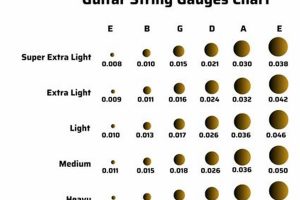
The optimal string gauge depends on the scale length of the guitar and the desired tension. Lighter gauges (e.g., 9s or 10s) provide less tension and a brighter sound, while heavier gauges (e.g., 11s or 12s) offer more tension and a warmer tone.
Question 3: What is the best material for strings on a hollow body electric guitar?
Nickel-plated steel strings are a popular choice for hollow body electric guitars, offering a balanced sound with good clarity and warmth. Stainless steel strings are more durable and resistant to corrosion, while pure nickel strings provide a vintage, mellow tone.
Question 4: Do coated strings make a difference on a hollow body electric guitar?
Coated strings can extend the lifespan of the strings by protecting them from corrosion and wear. They also tend to have a smoother feel and reduced finger noise, which can be beneficial for certain playing styles.
Question 5: How often should I change the strings on my hollow body electric guitar?
The frequency of string changes depends on how often you play and the type of strings you use. As a general rule, it’s a good idea to change your strings every 3-6 months, or more frequently if you play regularly or use uncoated strings.
Question 6: What are some reputable brands for strings on a hollow body electric guitar?
There are several reputable brands that offer high-quality strings for hollow body electric guitars, including D’Addario, Ernie Ball, Elixir, and GHS Strings. Experimenting with different brands can help you find the strings that best suit your sound and preferences.
By considering these factors and experimenting with different strings, you can find the best strings for your hollow body electric guitar and enhance your playing experience.
Transition to the next article section: Choosing the right strings is crucial for achieving the desired sound and feel from your hollow body electric guitar. With so many options available, it’s important to understand the key differences between strings and consider your personal playing style and preferences. By following these guidelines and experimenting with different strings, you can find the perfect set of strings to elevate your playing to the next level.
Tips for Choosing the Best Strings for Hollow Body Electric Guitar
Selecting the best strings for your hollow body electric guitar is crucial for optimizing its sound and playability. Here are five essential tips to guide your decision-making process:
Tip 1: Consider Your Playing Style
The type of music you play and your playing techniques should influence your choice of strings. For example, if you play blues or rock with heavy bending and vibrato, thicker strings with higher tension may be more suitable. Conversely, if you play jazz or fingerstyle with lighter touch, thinner strings with lower tension may provide better feel and articulation.
Tip 2: Experiment with Different Materials
Strings are typically made from nickel-plated steel, stainless steel, pure nickel, or cobalt. Each material offers unique tonal characteristics. Nickel-plated steel provides a bright, balanced sound, while stainless steel offers increased durability and corrosion resistance. Pure nickel strings deliver a warm, vintage tone, and cobalt strings emphasize clarity and articulation.
Tip 3: Pay Attention to Gauge
String gauge refers to the thickness of the strings. Thicker strings produce a warmer, fuller sound with more sustain, while thinner strings provide a brighter, more articulate tone with less tension. The scale length of your guitar also affects string tension, so consider this when choosing a gauge.
Tip 4: Explore Different Windings
The winding of the strings influences their feel and sound. Roundwound strings have a rougher texture that provides more grip and a brighter tone. Flatwound strings have a smoother surface that reduces finger noise and produces a warmer, mellower sound. Tapewound strings offer the smoothest feel and a unique, muted tone.
Tip 5: Consider Coated Strings
Coated strings have a thin layer of protective material applied to the windings. This coating extends the lifespan of the strings by reducing corrosion and wear. Coated strings also tend to have a smoother feel and reduced finger noise, which can be beneficial for certain playing styles.
Conclusion
Selecting the best strings for your hollow body electric guitar is a crucial step in optimizing its sound, playability, and overall performance. By considering your playing style, experimenting with different materials, paying attention to gauge and winding, and exploring coated strings, you can find the perfect set of strings to elevate your playing experience.
Remember, the journey to finding the best strings is an ongoing process of experimentation and refinement. As your playing evolves and your preferences change
, don’t hesitate to try new strings and discover the tonal possibilities that await. By embracing the exploration and understanding the nuances of string selection, you can unlock the full potential of your hollow body electric guitar.