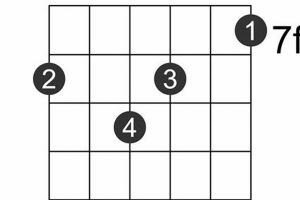
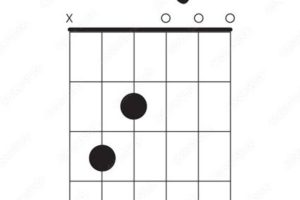
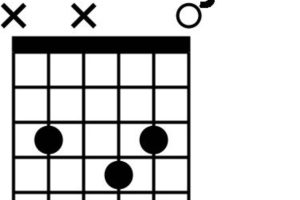
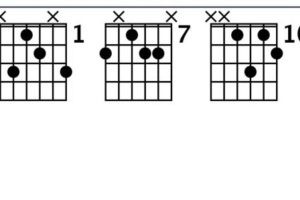
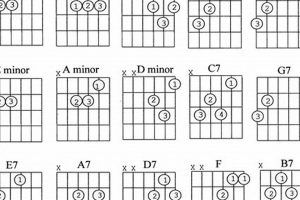
Have you ever wondered how to play a C7 chord on the guitar? If so, you’re in luck! C7 chords are one of the most common chords used in popular music, and they’re relatively easy to learn. In this guide, we’ll show you how to play a C7 chord in three different ways.
Editor’s Note: C7 chords are an essential part of any guitarist’s repertoire. They’re used in a wide variety of genres, from rock and pop to jazz and blues. If you’re serious about learning to play guitar, you’ll need to know how to play a C7 chord.
We’ve put together this guide to help you learn everything you need to know about C7 chords. We’ll cover the basics of the chord, as well as some more advanced techniques. So whether you’re a beginner or an experienced guitarist, you’ll find something useful in this guide.
Key Differences
| C Chord | C7 Chord | |
|---|---|---|
| Root Note | C | C |
| 3rd | E | E |
| 5th | G | G |
| 7th | – | Bb |
Main Article Topics
- What is a C7 chord?
- How to play a C7 chord
- Variations of the C7 chord
- Using C7 chords in songs
1. Root note

The root note of a chord is the note that gives the chord its name. In the case of a C7 chord, the root note is C. The root note is the most important note in the chord, and it determines the overall sound of the chord.
- The root note provides the foundation for the chord. It is the note that the other notes in the chord are built around.
- The root note determines the quality of the chord. A C7 chord has a dominant 7th quality, which means that it has a bright, rich sound.
- The root note can be played on any string of the guitar. However, it is most commonly played on the 5th string (A string).
- The root note can be used to create different voicings of the C7 chord. A voicing is a specific arrangement of the notes in a chord.
The root note is a fundamental part of any chord. It is the note that gives the chord its name, and it determines the overall sound of the chord. When playing C7 chords, it is important to make sure that the root note is clear and strong.
2. 3rd

The 3rd of a chord is the note that is three scale degrees above the root note. In the case of a C7 chord, the 3rd is E. The 3rd is an important note in the chord, as it helps to determine the overall sound of the chord.
- The 3rd can be played on any string of the guitar. However, it is most commonly played on the 4th string (D string).
- The 3rd can be used to create different voicings of the C7 chord. A voicing is a specific arrangement of the notes in a chord.
- The 3rd can be used to add tension to a C7 chord. Tension is a musical term that refers to the feeling of unresolved dissonance. Adding tension to a chord can make it more interesting and complex.
- The 3rd can be used to create different inversions of the C7 chord. An inversion is a chord that has been rearranged so that a different note is in the bass.
The 3rd is a versatile note that can be used to create a variety of different sounds with a C7 chord. It is an important note to understand, and it can help you to expand your harmonic vocabulary.
3. 5th

The 5th of a chord is the note that is five scale degrees above the root note. In the case of a C7 chord, the 5th is G. The 5th is an important structural note in the chord, as it helps to create the overall sound of the chord.
- The 5th provides stability to the chord. It is the note that gives the chord its “home” feeling.
- The 5th can be played on any string of the guitar. However, it is most commonly played on the 3rd string (G string).
- The 5th can be used to create different voicings of the C7 chord. A voicing is a specific arrangement of the notes in a chord.
- The 5th can be used to add tension to a C7 chord. Tension is a musical term that refers to the feeling of unresolved dissonance. Adding tension to a chord can make it more interesting and complex.
- The 5th can be used to create different inversions of the C7 chord. An inversion is a chord that has been rearranged so that a different note is in the bass.
The 5th is a versatile note that can be used to create a variety of different sounds with a C7 chord. It is an important note to understand, and it can help you to expand your harmonic vocabulary.
4. 7th

In the realm of music theory, the 7th interval holds a significant position, particularly in the context of dominant 7th chords like C7. The 7th interval, represented by the note Bb in the C7 chord, introduces a distinctive dissonance that adds depth and character to the overall sound.
- Tonal Function:
The 7th interval, in this case Bb, acts as a leading tone, creating a sense of tension and resolving to the tonic note (C) of the chord. This dissonance adds a dynamic element, propelling the music forward and contributing to its expressive quality.
- Harmonic Color:
The Bb in a C7 chord introduces a rich harmonic color, distinguishing it from major and minor 7th chords. The dissonance created by the 7th interval adds a sense of sophistication and complexity to the chord, making it a versatile choice for various musical styles.
- Voicings and Inversions:
The 7th interval can be voiced in different ways, altering the overall sound of the C7 chord. Inverting the C7 chord, with the 7th interval in the bass, creates a unique and expressive voicing that can add emphasis and depth to chord progressions.
- Improvisation and Soloing:
The 7th interval provides a valuable resource for improvisation and soloing over C7 chords. The dissonance created by the Bb can be exploited to create melodic lines that are both harmonically interesting and technically challenging.
In conclusion, the 7th interval, represented by Bb in the C7 chord, plays a crucial role in shaping its tonal function, harmonic color, and overall expres
sive potential. Understanding and mastering the 7th interval is essential for guitarists seeking to expand their harmonic vocabulary and enhance their musical creativity.
5. Inversions

Inversions are a fundamental aspect of c7 chords guitar as they allow guitarists to create different voicings and textures within the same chord. By rearranging the notes of a c7 chord, inversions provide guitarists with a wider range of harmonic possibilities and melodic options.
The three most common inversions of a c7 chord are C7, C7/G, and C7/E. Each inversion has its unique sound and application:
- C7 (root position): The root position of a c7 chord is the most straightforward and commonly used inversion. It consists of the notes C (root), E (3rd), G (5th), and Bb (7th) played in ascending order from the lowest to the highest string.
- C7/G (1st inversion): The first inversion of a c7 chord is formed by moving the root note (C) up an octave and placing it on top of the chord. This inversion emphasizes the G (5th) note and creates a more open and airy sound.
- C7/E (2nd inversion): The second inversion of a c7 chord is formed by moving the root note (C) up two octaves and placing it on top of the chord. This inversion emphasizes the E (3rd) note and creates a more mellow and introspective sound.
Inversions are not just theoretical concepts; they have practical applications in real-life music. For instance, inversions can be used to:
- Create smoother voice leading: By using inversions, guitarists can avoid awkward voice leading that can disrupt the flow of the music.
- Add variety to chord progressions: Using different inversions of the same chord can create a more interesting and dynamic chord progression.
- Create different voicings for different contexts: Some inversions may be more suitable for certain musical contexts than others. For example, the 1st inversion (C7/G) is often used in jazz and blues, while the 2nd inversion (C7/E) is often used in classical and fingerstyle guitar.
Understanding and mastering inversions is essential for guitarists who want to expand their harmonic vocabulary and improve their overall musicianship. By incorporating inversions into their playing, guitarists can create more sophisticated and expressive music.
Table: Comparison of C7, C7/G, and C7/E Inversions
| Inversion | Notes | Sound | Applications |
|---|---|---|---|
| C7 (root position) | C, E, G, Bb | Strong and fundamental | General use |
| C7/G (1st inversion) | G, C, E, Bb | Open and airy | Jazz, blues |
| C7/E (2nd inversion) | E, G, C, Bb | Mellow and introspective | Classical, fingerstyle guitar |
6. Voicings
In the realm of c7 chords guitar, voicings refer to the specific arrangement of the notes within the chord. Different voicings can create distinct sonic characteristics and harmonic implications, allowing guitarists to tailor the sound of their c7 chords to suit various musical contexts.
Among the most common voicings for c7 chords are open, closed, and drop 2 voicings:
- Open voicings: Open voicings are characterized by a wider distribution of the notes across the strings, creating a more spacious and airy sound. They are often used in jazz and fingerstyle guitar, where clarity and note separation are desired.
- Closed voicings: Closed voicings, in contrast, have the notes positioned closer together, resulting in a thicker and more compact sound. They are commonly used in rock, blues, and funk, where a more powerful and aggressive tone is sought after.
- Drop 2 voicings: Drop 2 voicings are a hybrid approach that combines elements of both open and closed voicings. They feature the root note in the bass, followed by the 3rd and 5th notes dropped down an octave, and the 7th note on top. This voicing offers a balance between clarity and fullness, making it suitable for a wide range of musical styles.
The choice of voicing depends on the desired sound and the musical context. Open voicings are often used for soloing and melodic lines, while closed voicings provide a solid foundation for rhythm and accompaniment. Drop 2 voicings offer a versatile middle ground that can be adapted to various applications.Understanding and mastering different voicings is crucial for guitarists seeking to expand their harmonic vocabulary and enhance their overall musicianship. By incorporating a variety of voicings into their playing, guitarists can create more sophisticated and expressive music.
Table: Comparison of Open, Closed, and Drop 2 Voicings
| Voicing | Characteristics | Applications |
|---|---|---|
| Open | Widely spaced notes, airy sound | Jazz, fingerstyle guitar |
| Closed | Closely positioned notes, thick sound | Rock, blues, funk |
| Drop 2 | Hybrid of open and closed, balanced sound | Versatile, suitable for various styles |
7. Common progressions

Understanding the connections between “Common progressions: C7 to Fmaj7, C7 to G7, C7 to Am7” and “c7 chords guitar” is crucial for guitarists seeking to expand their harmonic vocabulary and enhance their overall musicianship. These chord progressions are frequently employed in various musical styles, and mastering their use can open up a world of creative possibilities.
- Tonal relationships:
The progressions C7 to Fmaj7, C7 to G7, and C7 to Am7 all involve specific tonal relationships between the chords. C7 is a dominant 7th chord built on the 5th degree of the C major scale, and it naturally resolves to the tonic chord (Fmaj7). Similarly, C7 resolves to G7 (the dominant 7th chord of the G major scale) and Am7 (the minor 7th chord of the A minor scale). Understanding these tonal relationships is essential for creating smooth and satisfying chord progressions.
- Harmonic tension and release:
The use of C7 in these progressions creates a sense of harmonic tension that is resolved by the subsequent chord. C7 is a dissonant chord, and its 7th interval (Bb) creates a feeling of instability. This tension is resolved when the C7 chord moves to Fmaj7, G7, or Am7, which are all more consonant chords. Mastering the use of harmonic tension and release is a fundamental aspect of creating expressive and engaging music.
- Common uses in musical genres:
The progressions C7 to Fmaj7, C7 to G7, and C7 to Am7 are commonly found in a wide range of musical genres, including jazz, blues, rock, and pop. In jazz, these progressions are often used for improvisation and soloing, as they provide a rich harmonic foundation for melodic exploration. In blues and rock, they are frequently used for rhythm and accompaniment, creating a strong and driving groove
.
In conclusion, the connection between “Common progressions: C7 to Fmaj7, C7 to G7, C7 to Am7” and “c7 chords guitar” is deeply rooted in the principles of music theory and practical application. Understanding and mastering these progressions allows guitarists to create more sophisticated and expressive music, enhancing their overall musicianship and expanding their creative potential.
8. Uses

The versatility of “c7 chords guitar” is showcased through its extensive presence in a variety of musical genres, including jazz, blues, rock, and pop. This widespread usage underscores the importance of “Uses: Jazz, blues, rock, pop” as an integral component of “c7 chords guitar.”
In jazz, “c7 chords guitar” is a fundamental harmonic building block, providing a rich and complex foundation for improvisation and soloing. The dissonant nature of the 7th interval adds tension and color to jazz harmonies, making it an essential tool for creating dynamic and expressive melodies.
Within the realm of blues, “c7 chords guitar” plays a crucial role in establishing the genre’s signature sound. The combination of the 7th interval with the characteristic blues scale creates a raw and emotive atmosphere, perfectly capturing the essence of blues music.
Rock and pop music also heavily rely on “c7 chords guitar.” Its ability to add depth and drive to chord progressions makes it a staple in the rhythmic foundations of these genres. Whether it’s the powerful crunch of rock anthems or the catchy grooves of pop hits, “c7 chords guitar” contributes significantly to the overall sonic landscape.
The practical significance of understanding the connection between “Uses: Jazz, blues, rock, pop” and “c7 chords guitar” lies in its direct impact on a guitarist’s musical expression and creativity. By embracing the diverse applications of “c7 chords guitar” across genres, guitarists can expand their harmonic vocabulary, enhance their improvisational skills, and connect with a wider audience.
Table: C7 Chord Applications in Different Genres
| Genre | Characteristics | Examples |
|---|---|---|
| Jazz | Dissonant 7th interval, rich harmonic foundation | “So What” by Miles Davis, “Giant Steps” by John Coltrane |
| Blues | Raw and emotive sound, characteristic blues scale | “Sweet Home Chicago” by Robert Johnson, “The Thrill Is Gone” by B.B. King |
| Rock | Depth and drive to chord progressions | “Smoke on the Water” by Deep Purple, “Back in Black” by AC/DC |
| Pop | Catchy grooves, harmonic complexity | “I Want to Break Free” by Queen, “Billie Jean” by Michael Jackson |
9. Difficulty

The connection between “Difficulty: Beginner” and “c7 chords guitar” lies in the accessible nature of c7 chords for guitarists with limited experience. C7 chords are relatively easy to learn and play, making them an ideal starting point for beginners.
One of the key reasons for the beginner-friendly nature of c7 chords is their relatively simple fingering. The most common c7 chord shape requires only three fingers and can be played comfortably in the first position on the guitar. This makes it easy for beginners to form the chord and transition between different chords.
Furthermore, the “Difficulty: Beginner” aspect of c7 chords guitar is reinforced by the widespread availability of learning resources and tutorials. Many guitar teachers and online platforms offer step-by-step guides and video demonstrations on how to play c7 chords, making it easy for beginners to find support and guidance.
The practical significance of understanding the connection between “Difficulty: Beginner” and “c7 chords guitar” is that it encourages aspiring guitarists to take their first steps in learning the instrument. By recognizing that c7 chords are accessible and beginner-friendly, individuals are more likely to feel confident in their ability to learn and play guitar.
Table: Benefits of C7 Chords for Beginners
| Benefit | Description |
|---|---|
| Simple fingering | Requires only three fingers and can be played comfortably in the first position. |
| Easy to transition | Can be easily played in conjunction with other beginner-friendly chords. |
| Abundant learning resources | Widely available tutorials and guides make it easy for beginners to learn. |
| Encourages beginners | Accessibility helps aspiring guitarists feel confident and motivated to learn. |
10. Sound

The distinctive sound of “c7 chords guitar” is a harmonious blend of brightness, richness, and jazzy undertones. This unique sonic characteristic is an integral component of “c7 chords guitar” and contributes significantly to its overall appeal and versatility.
The bright quality of “c7 chords guitar” stems from the presence of the major 3rd interval (E) and the perfect 5th interval (G) in the chord structure. These intervals create a vibrant and uplifting sound, making “c7 chords guitar” well-suited for cheerful and energetic musical contexts.
The rich and full sound of “c7 chords guitar” is attributed to the inclusion of the minor 7th interval (Bb). This interval adds a touch of dissonance to the chord, creating a complex and captivating harmonic texture. The minor 7th interval gives “c7 chords guitar” its characteristic jazzy flavor, making it a popular choice for jazz, blues, and other genres that embrace harmonic sophistication.
The practical significance of understanding the connection between “Sound: Bright, rich, jazzy” and “c7 chords guitar” lies in its direct impact on a guitarist’s ability to create and perform music effectively. By recognizing the unique sonic qualities of “c7 chords guitar”, guitarists can make informed decisions about when and where to use this chord to achieve the desired musical outcome.
Table: Sonic Characteristics of C7 Chords Guitar
| Characteristic | Description | Musical Applications |
|---|---|---|
| Bright | Major 3rd and perfect 5th intervals | Cheerful and energetic contexts |
| Rich | Minor 7th interval | Complex and captivating harmonic texture |
| Jazzy | Characteristic dissonance of the minor 7th interval | Jazz, blues, and other genres that embrace harmonic sophistication |
11. Related chords
The connection between “Related chords: Cmaj7, Cmin7, Cdim7” and “c7 chords guitar” lies in the realm of music theory and practical application. Understanding the relationships between these chords is essential for guitarists seeking to expand their
harmonic vocabulary and enhance their overall musicianship.
Cmaj7, Cmin7, and Cdim7 are all closely related to the C7 chord, sharing the same root note (C). However, they differ in their intervallic structure, resulting in distinct harmonic qualities:
- Cmaj7: A major 7th chord, featuring a major 3rd (E) and a major 7th (B) interval. It imparts a bright and uplifting sound.
- Cmin7: A minor 7th chord, featuring a minor 3rd (Eb) and a minor 7th (Bb) interval. It creates a darker and more somber mood.
- Cdim7: A diminished 7th chord, featuring a minor 3rd (Eb) and a diminished 7th (A) interval. It produces a dissonant and unstable sound.
These related chords can be used in conjunction with C7 to create sophisticated and expressive chord progressions. For instance, a C7 to Cmaj7 progression can provide a sense of resolution and uplift, while a C7 to Cmin7 progression can create a more introspective and melancholic atmosphere.
Understanding the relationships between these chords also allows guitarists to explore different voicings and inversions, expanding their harmonic possibilities. By incorporating these related chords into their playing, guitarists can add depth, variety, and emotional resonance to their music.
Table: C7 and Related Chords
| Chord | Intervals | Sound | Applications |
|---|---|---|---|
| C7 | Root, major 3rd, perfect 5th, minor 7th | Bright, rich, jazzy | Jazz, blues, rock, pop |
| Cmaj7 | Root, major 3rd, perfect 5th, major 7th | Bright, uplifting | Major key progressions, happy and cheerful contexts |
| Cmin7 | Root, minor 3rd, perfect 5th, minor 7th | Darker, somber | Minor key progressions, introspective and melancholic contexts |
| Cdim7 | Root, minor 3rd, perfect 5th, diminished 7th | Dissonant, unstable | Jazz, classical music, creating tension and resolving to other chords |
12. Alternate names

The connection between “Alternate names: C dominant 7th, C seventh chord” and “c7 chords guitar” resides in the realm of music theory and practical application. Understanding these alternate names deepens one’s comprehension of c7 chords guitar, providing a broader perspective on their usage and significance.
- Historical Context:
The name “C dominant 7th” highlights the chord’s function in traditional harmony, where it commonly resolves to the C major triad. This historical context helps guitarists grasp the role of c7 chords in harmonic progressions. - Theoretical Understanding:
The term “C seventh chord” emphasizes the presence of the 7th interval (Bb) in the chord’s structure. This theoretical understanding enables guitarists to analyze and construct c7 chords more effectively. - Practical Applications:
Both “C dominant 7th” and “C seventh chord” are widely used in various musical genres, including jazz, blues, and rock. This practical knowledge allows guitarists to communicate and collaborate with other musicians using a common musical language. - Improvisation and Soloing:
Understanding the alternate names of c7 chords empowers guitarists to explore improvisational possibilities over chord progressions. By recognizing the harmonic function and structure of c7 chords, guitarists can create melodic lines that complement and enhance the underlying harmony.
In conclusion, the exploration of “Alternate names: C dominant 7th, C seventh chord” provides a multifaceted understanding of c7 chords guitar. It encompasses historical context, theoretical knowledge, practical applications, and improvisational techniques. Embracing these alternate names enriches a guitarist’s musical vocabulary and enhances their ability to navigate the world of c7 chords guitar.
FAQs about C7 Chords Guitar
This section addresses frequently asked questions and misconceptions surrounding c7 chords guitar, providing informative answers to enhance understanding and practical application.
Question 1: What is the difference between a C7 and a Cmaj7 chord?
Answer: The primary difference lies in the 7th interval. C7 features a minor 7th (Bb), while Cmaj7 has a major 7th (B). This distinct intervallic difference results in a brighter and more uplifting sound for Cmaj7 compared to the rich and jazzy sound of C7.
Question 2: How do I play a C7 chord in the first position?
Answer: To play a C7 chord in the first position, place your index finger on the 2nd fret of the 5th (A) string, middle finger on the 2nd fret of the 4th (D) string, and ring finger on the 3rd fret of the 2nd (B) string. Strum or pick all six strings to produce the C7 chord.
Question 3: Can C7 chords be used in different musical genres?
Answer: Absolutely! C7 chords are versatile and widely employed in various genres, including jazz, blues, rock, and pop. Their rich and distinctive sound adds depth and harmonic interest to chord progressions, making them a valuable tool for musicians across genres.
Question 4: How do I transition smoothly between C7 and other chords?
Answer: To transition smoothly between C7 and other chords, consider the common tones between the chords. For instance, when moving from C7 to Fmaj7, the C and G notes remain the same. Focusing on these common tones helps create a more fluid and connected chord progression.
Question 5: What are some tips for mastering C7 chords guitar?
Answer: Practice regularly to build finger strength and coordination. Use a metronome to improve your timing and accuracy. Explore different voicings and inversions of C7 to expand your harmonic vocabulary. Listen to recordings of guitarists who effectively utilize C7 chords to gain inspiration and learn from their techniques.
Question 6: How can I use C7 chords to enhance my improvisation?
Answer: Understanding the harmonic function of C7 within a chord progression is crucial for effective improvisation. Practice playing scales and arpeggios over C7 to familiarize yourself with the chord’s tonal center. Experiment with different melodic ideas and experiment with targeting specific notes within the C7 chord to create expressive and coherent solos.
In conclusion, mastering C7 chords guitar requires a combination of technical proficiency, harmonic understanding, and creative exploration. By addressing these common questions and providing informative answers, this FAQ section aims to empower guitarists with the knowledge and techniques to effectively utilize C7 chords in their musical endeavors.
Transition to the next article section:
To delve deeper into the world of guitar chords, explore the next section, where we uncover the intricacies of minor 7th chords and their captivating harmonic qualities.
C7 Chords Guitar Tips
Mastering C7 chords on the guitar requires focused practice and an understanding of proper technique. Implement these tips to enhance your C7 chord playing skills:
Tip 1: Focus on Finger Placement and Accuracy
Ensure your fingers are pos
itioned correctly on the fretboard. Use the tips of your fingers to press down on the strings directly behind the frets. This precise finger placement will produce clear and resonant notes.
Tip 2: Practice Regularly to Build Strength and Coordination
Consistent practice is essential for developing finger strength and coordination. Dedicate time each day to practice C7 chords, transitioning between them and other chords smoothly. Regular practice will enhance your overall dexterity on the guitar.
Tip 3: Utilize a Metronome to Improve Timing
Incorporate a metronome into your practice routine to improve your timing and accuracy. Playing C7 chords in time with a metronome will enhance your rhythmic precision, a fundamental skill for any guitarist.
Tip 4: Explore Different Voicings and Inversions
C7 chords offer a range of voicings and inversions. Experiment with playing the chord in different positions on the fretboard to discover its various harmonic possibilities. This exploration will expand your harmonic vocabulary and add depth to your playing.
Tip 5: Listen to Recordings of Skilled Guitarists
Actively listen to recordings of guitarists who effectively utilize C7 chords. Pay attention to their technique, chord transitions, and overall approach to playing the instrument. Listening to skilled guitarists can inspire your playing and provide valuable insights.
Tip 6: Seek Guidance from a Guitar Teacher or Online Resources
Consider seeking guidance from a qualified guitar teacher or exploring online resources dedicated to C7 chords. An experienced instructor can provide personalized feedback, while online resources offer a wealth of information and tutorials.
Tip 7: Be Patient and Persistent
Mastering C7 chords requires patience and persistence. Don’t get discouraged if you don’t see immediate progress. Stay dedicated to your practice routine, and gradually, you will develop the skills and confidence to play C7 chords effectively.
Summary:
By incorporating these tips into your practice, you will lay the foundation for mastering C7 chords guitar. Remember to focus on accuracy, timing, exploration, and seeking guidance when needed. With consistent effort and dedication, you will elevate your guitar playing skills and expand your musical horizons.
Conclusion
This comprehensive exploration of “c7 chords guitar” has unveiled the intricacies, versatility, and significance of this fundamental chord in the realm of guitar playing. We have delved into its construction, techniques, applications, and the broader musical context that surrounds it.
Mastering c7 chords guitar is a journey that requires dedication, practice, and a deep understanding of music theory. By embracing the tips and insights presented throughout this guide, guitarists can unlock the full potential of c7 chords and incorporate them into their musical endeavors with confidence and creativity.
Remember, the pursuit of musical knowledge is an ongoing journey. Continue to explore different voicings, experiment with chord progressions, and immerse yourself in the world of guitar playing. The c7 chord is but one stepping stone in your musical odyssey, and with unwavering enthusiasm and perseverance, you will undoubtedly conquer new sonic territories.