Editor’s Note: C chord inversions are an essential guitar technique that can add depth and variety to your playing. This guide will provide you with everything you need to know about C chord inversions, from their basic construction to their practical application in various musical contexts.
Whether you’re a beginner guitarist or a seasoned pro, understanding C chord inversions will help you expand your harmonic vocabulary and become a more versatile player. So, let’s dive right in!
What Are C Chord Inversions?
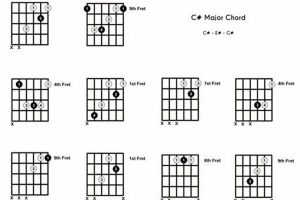
A chord inversion occurs when the root note of a chord is not the lowest note being played. In the case of a C chord, the root note is C. When we play a C chord in its root position, the notes are C, E, and G, with C being the lowest note.
However, we can also invert the C chord by moving the root note up an octave. This creates three different inversions of the C chord:
- First inversion (C/E): E, G, C
- Second inversion (C/G): G, C, E
- Third inversion (C/B): B, E, G
Why Use C Chord Inversions?
There are several benefits to using C chord inversions:
- Harmonic variety: Inversions create different harmonic colors, which can add interest and complexity to your playing.
- Voice leading: Inversions can help you create smooth voice leading, which is the movement of individual notes in a chord.
- Bass lines: Inversions allow you to create interesting bass lines that support the melody.
- Extended chords: Inversions can be used to create extended chords, such as Cmaj7 or Cmin7, which add even more harmonic depth.
How to Play C Chord Inversions
Playing C chord inversions is relatively easy. Simply follow these steps:
- Play the C chord in its root position.
- Move the root note up an octave.
- Play the remaining notes of the chord in their original order.
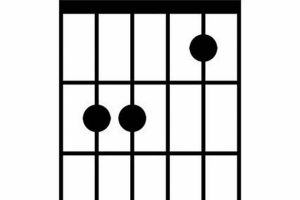
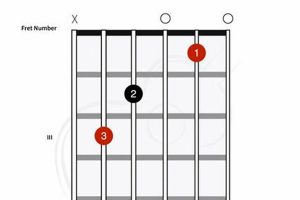
For example, to play the first inversion of the C chord (C/E), you would play the notes E, G, and C, with E being the lowest note.
Conclusion
C chord inversions are a powerful tool that can help you expand your guitar playing. By understanding how to construct and use inversions, you can add harmonic variety, create smooth voice leading, and support the melody with interesting bass lines. So, start experimenting with C chord inversions today and see how they can enhance your playing!
1. Root Movement

In the context of C chord inversions guitar, understanding root movement is crucial. The root note, which is C in this case, forms the foundation of the chord. By moving the root note up an octave, we create different inversions of the C chord, resulting in distinct harmonic colors and textures.
For instance, in the first inversion (C/E), the root note C is moved up an octave, with E becoming the lowest note. This inversion provides a brighter and more open sound compared to the root position C chord. The second inversion (C/G) further elevates the root note, with G becoming the bass note. This inversion adds a fuller and warmer tone to the chord.
The concept of root movement in C chord inversions not only expands harmonic possibilities but also enhances voice leading. By moving the root note, we can create smoother melodic transitions within the chord and between different chords. This technique allows guitarists to craft more sophisticated and musically engaging chord progressions.
Furthermore, root movement plays a vital role in creating interesting and supportive bass lines. By inverting the C chord, we can create bass lines that move in stepwise motion or even form melodic patterns. This adds rhythmic and melodic depth to the overall guitar accompaniment.
In summary, understanding root movement and its effect on C chord inversions is essential for guitarists seeking to expand their harmonic vocabulary and enhance their playing. It opens up a world of possibilities for creating dynamic bass lines, crafting smooth voice leading, and adding harmonic variety to their music.
| C Chord Inversion | Root Movement | Effect |
|---|---|---|
| C/E (First Inversion) | Root note C moved up an octave | Brighter, more open sound |
| C/G (Second Inversion) | Root note C moved up two octaves | Fuller, warmer tone |
| C/B (Third Inversion) | Root note C moved up three octaves | Less commonly used, adds a unique harmonic flavor |
2. Harmonic Variety

In the realm of music theory, harmonic variety refers to the use of different chords and chord progressions to create interest and depth in a musical composition. In the context of C chord inversions guitar, inversions play a crucial role in expanding harmonic vocabulary and adding diverse colors and textures to guitar playing.
- Tonal Variety: By inverting C chords, guitarists can create a wider range of tonal qualities. The root position C chord exudes a strong and stable sound, while inversions such as C/E and C/G offer brighter and warmer hues respectively. This tonal variety allows guitarists to tailor the harmonic backdrop to suit the mood and style of their music.
- Smooth Voice Leading: Inversions facilitate smooth voice leading, ensuring seamless transitions between notes within a chord and across chord progressions. By inverting the C chord, guitarists can avoid awkward voice leading that can disrupt the flow of the music. This technique contributes to the overall coherence and musicality of guitar playing.
- Harmonic Tension and Release: Inversions can be strategically used to create harmonic tension and release. For instance, moving from a C chord in root position to a C/E inversion introduces a sense of harmonic tension, which can be resolved by returning to the root position or progressing to another chord. This interplay of tension and release adds depth and interest to guitar playing.
- Extended Chords: Inversions serve as a foundation for constructing extended chords, such as Cmaj7 or Cmin7. These extended chords incorporate additional notes beyond the basic triad, resulting in richer and more complex harmonies. By utilizing inversions, guitarists can expand their harmonic palette and create sophisticated chord voicings.
In conclusion, the harmonic variety provided by C chord inversions guitar empowers guitarists to create diverse and engaging music. Whether it’s adding tonal contrast, ensuring smooth voice leading, generating harmonic tension and release, or constructing extended chords, inversions are an essential tool for expanding harmonic vocabulary and enhan
cing guitar playing.
3. Voice leading

In the context of C chord inversions guitar, voice leading refers to the smooth and logical movement of individual notes within a chord and across chord progressions. Inversions play a crucial role in facilitating voice leading, ensuring that the melodic flow of the music is not disrupted by awkward voice leading.
- Linear Progression: Inversions allow guitarists to create melodic lines within chords. By moving the root note, guitarists can create stepwise motion between notes, resulting in a smoother and more legato sound. This is particularly useful in arpeggiated chords or when transitioning between different inversions.
- Avoidance of Parallel Motion: Parallel motion occurs when two or more voices move in the same direction (e.g., both ascending or descending). This can create a harsh and dissonant sound. Inversions help guitarists avoid parallel motion by allowing them to move different voices in contrary motion or oblique motion, resulting in a more consonant and pleasing sound.
- Resolution of Dissonance: Inversions can be used to resolve dissonant intervals. For instance, if two notes in a chord create a dissonant interval (e.g., a tritone), inverting the chord can move one of the notes, resolving the dissonance and creating a more stable sound.
- Harmonic Embellishments: Inversions provide a foundation for harmonic embellishments, such as suspensions and appoggiaturas. By inverting the chord, guitarists can create suspensions that delay the resolution of a dissonant interval, adding tension and interest to the music. Similarly, appoggiaturas can be used to create a sense of anticipation before resolving to the main chord tone.
In conclusion, the connection between voice leading and C chord inversions guitar is vital for creating smooth and melodically coherent music. By understanding how to use inversions to facilitate voice leading, guitarists can enhance their playing, create more sophisticated chord progressions, and add depth and interest to their music.
4. Bass lines

In the context of C chord inversions guitar, the connection between bass lines and inversions is crucial for creating dynamic and engaging music. Inversions provide guitarists with the ability to craft interesting and supportive bass lines that drive the music forward and enhance the overall sound.
By inverting C chords, guitarists can create bass lines that move stepwise or even form melodic patterns. This adds rhythmic and melodic depth to the guitar accompaniment, making it more interesting and engaging for both the player and the listener. For instance, instead of playing a basic root position C chord, a guitarist could use a C/E inversion, which places the E note in the bass. This inversion creates a more dynamic bass line that moves from E to G, providing a stronger rhythmic foundation for the chord.
Furthermore, inversions allow guitarists to create bass lines that support the melody and add harmonic interest. By inverting the C chord, guitarists can create bass notes that move in contrary motion to the melody, creating a more complex and sophisticated sound. Additionally, inversions can be used to create walking bass lines, which are characterized by a continuous stepwise movement of the bass notes. This technique adds a strong rhythmic element to the music and helps to propel the song forward.
In conclusion, the connection between bass lines and C chord inversions guitar is vital for creating interesting and supportive bass lines. By understanding how to use inversions to create effective bass lines, guitarists can enhance their playing, add depth to their music, and captivate their audience.
| C Chord Inversion | Bass Note | Effect |
|---|---|---|
| C/E (First Inversion) | E | Creates a brighter, more open sound with a stronger rhythmic foundation. |
| C/G (Second Inversion) | G | Adds a fuller, warmer tone and provides a more supportive bass line for the melody. |
| C/B (Third Inversion) | B | Less commonly used, but can add a unique harmonic flavor and rhythmic interest to the bass line. |
5. Extended chords

In the realm of C chord inversions guitar, the concept of extended chords plays a significant role in expanding harmonic possibilities and enriching the sonic palette of guitarists.
- Harmonic Enrichment: Inversions can be utilized to construct extended chords, which incorporate additional notes beyond the basic triad structure (root, third, and fifth). By adding extensions such as the seventh, ninth, eleventh, or thirteenth, guitarists can create richer and more complex harmonies.
- Tonal Variety: Extended chords derived from C chord inversions offer a wider range of tonal colors and textures. For instance, inverting a C chord to C/E and adding an extension such as the seventh (Cmaj7/E) results in a brighter and more open sound compared to a root position Cmaj7 chord.
- Smooth Voice Leading: Inversions facilitate smooth voice leading within extended chords. By carefully arranging the notes of the extended chord, guitarists can create melodic lines that move stepwise or in contrary motion, avoiding awkward voice leading and ensuring a coherent harmonic flow.
- Jazz and Fusion Applications: Extended chords constructed from C chord inversions are commonly employed in jazz and fusion guitar playing. These chords provide a sophisticated harmonic foundation for improvisation and soloing, allowing guitarists to explore extended harmonies and create unique and expressive melodies.
In conclusion, the connection between extended chords and C chord inversions guitar empowers guitarists to expand their harmonic vocabulary, add tonal variety, ensure smooth voice leading, and delve into the realm of jazz and fusion guitar. By understanding and utilizing this concept, guitarists can enhance their playing, create more sophisticated and engaging music, and captivate their audience with rich and complex harmonies.
6. Chord progressions

In the realm of “c chord inversions guitar,” the connection between chord progressions and inversions is vital for creating fluid and engaging musical passages. Inversions provide guitarists with the ability to craft smoother and more dynamic chord progressions that enhance the overall flow and emotional impact of their playing.
- Harmonic Flow: Inversions allow guitarists to create chord progressions that move seamlessly from one chord to the next. By inverting chords, guitarists can avoid awkward voice leading and create a smoother harmonic flow. For instance, transitioning from a C chord in root position to a C/E inversion creates a more natural and flowing progression compared to mo
ving directly to a C/G inversion. - Tonal Contrast: Inversions offer a wider range of tonal colors and textures, enabling guitarists to create more dynamic chord progressions. By inverting chords, guitarists can introduce contrasting sounds and create a sense of tension and release within the progression. For example, alternating between a C chord in root position and a C/E inversion adds a brighter and more open sound to the progression.
- Rhythmic Drive: Inversions can be used to create rhythmic drive and momentum within chord progressions. By placing different notes in the bass, guitarists can create syncopated rhythms and add rhythmic interest to the progression. For instance, using a C/G inversion with a G bass note can create a more driving and energetic feel compared to a C chord in root position.
- Extended Harmonic Vocabulary: Inversions provide a foundation for exploring extended harmonic vocabulary and creating more sophisticated chord progressions. By inverting chords and adding extensions, such as the seventh or ninth, guitarists can expand their harmonic palette and create more complex and interesting progressions.
In conclusion, the connection between chord progressions and “c chord inversions guitar” is essential for crafting fluid, dynamic, and engaging musical passages. By understanding and utilizing inversions, guitarists can enhance their playing, create more sophisticated chord progressions, and captivate their audience with rich and expressive harmonies.
7. Fingerings

In the realm of “c chord inversions guitar,” the connection between fingerings and inversions revolves around the concept of alternative fingerings. Inversions provide guitarists with a range of options for fingering chords, allowing for greater playability and efficiency.
- Alternate Hand Positions: Inversions enable guitarists to use different hand positions when playing chords. For instance, a C chord in root position may require a specific fingering, while its first inversion (C/E) offers an alternative fingering that may be more comfortable or easier to transition between other chords.
- Improved Reach and Stretching: Inversions can help guitarists overcome challenges related to reach and stretching. By inverting chords, guitarists can access notes that may be difficult to reach with traditional fingerings. This is especially beneficial for guitarists with smaller hands or limited finger dexterity.
- Smooth Chord Transitions: Inversions facilitate smooth chord transitions by providing alternative fingerings that allow for seamless movement between different chords. This is particularly useful in fast-paced passages or when playing complex chord progressions.
- Reduced Fatigue: Utilizing alternative fingerings through inversions can reduce fatigue during extended playing sessions. By distributing the workload across different fingers and hand positions, guitarists can minimize strain and discomfort, allowing them to play longer and more effectively.
In conclusion, the connection between fingerings and “c chord inversions guitar” is vital for enhancing playability and efficiency. By understanding and utilizing inversions, guitarists can unlock a wider range of fingering options, overcome technical challenges, facilitate smooth chord transitions, and reduce fatigue during playing. This ultimately leads to improved technique, greater comfort, and enhanced musical expression.
8. Embellishments

In the realm of “c chord inversions guitar,” the connection between embellishments and inversions is integral to the art of tasteful ornamentation and improvisational exploration on the guitar.
Inversions create a harmonic framework that supports and enhances embellishments, allowing guitarists to add color and interest to their playing. By altering the order of the notes within a chord, inversions provide new harmonic contexts that open up possibilities for melodic exploration.
One common embellishment technique used in conjunction with inversions is the use of grace notes. Grace notes are quick, ornamental notes that precede a main note and add a sense of fluidity and movement to the melody. Inversions can provide a stable harmonic foundation for grace notes, ensuring that they resolve smoothly into the main chord.
Another embellishment technique that benefits from inversions is hammer-ons and pull-offs. These techniques involve sliding or pulling fingers on the fretboard to create quick, percussive sounds. Inversions can create intervals that are more conducive to effective hammer-ons and pull-offs, allowing guitarists to add rhythmic complexity and interest to their playing.
Furthermore, inversions play a crucial role in improvisational exploration. By providing alternative harmonic voicings, inversions offer guitarists a wider range of melodic and rhythmic possibilities to explore during improvisation. This allows them to create unique and expressive solos that deviate from the basic chord structure while still maintaining harmonic coherence.
In conclusion, the connection between embellishments and “c chord inversions guitar” is vital for guitarists seeking to enhance their playing with tasteful ornamentation and improvisational freedom. By understanding and utilizing inversions, guitarists can unlock a world of harmonic possibilities, expand their embellishment techniques, and elevate their improvisational skills to new heights.
| Embellishment Technique | How Inversions Enhance Embellishments |
|---|---|
| Grace Notes | Inversions provide a stable harmonic foundation for grace notes, ensuring smooth resolution into the main chord. |
| Hammer-Ons and Pull-Offs | Inversions create intervals that are more conducive to effective hammer-ons and pull-offs, adding rhythmic complexity and interest to playing. |
| Improvisation | Inversions offer a wider range of harmonic voicings, providing guitarists with more melodic and rhythmic possibilities to explore during improvisation. |
9. Musical context

In the realm of “c chord inversions guitar,” understanding the musical context is paramount for effective and tasteful use of inversions. Thoughtful consideration of the musical context ensures that inversions serve the overall composition and enhance the intended mood and style.
- Genre and Style: The genre and style of music play a significant role in determining the appropriateness of inversions. In classical music, inversions are commonly employed to create intricate harmonies and voice leading, while in rock and pop music, they may be used more sparingly to add color or variety to basic chord progressions. Understanding the stylistic conventions of the music being played helps guitarists make informed decisions about when and how to use inversions.
- Chord Progression: The context of the chord progression also influences the use of inversions. Inversions can be used to create smooth voice leading between chords, avoiding awkward melodic le
aps and maintaining harmonic coherence. By considering the overall chord progression, guitarists can determine which inversions will best support the melodic and harmonic flow of the music. - Melodic Line: The melodic line or vocal melody should be taken into account when using inversions. Inversions can be employed to highlight or complement the melody, providing harmonic support or creating countermelodies. Guitarists should strive to create a cohesive relationship between the melody and the chord inversions they choose.
- Instrumentation and Arrangement: The instrumentation and arrangement of the music can also affect the use of inversions. In a solo guitar performance, inversions may be used more prominently to create a richer and more complex sound. However, in a band setting, guitarists may need to consider the overall arrangement and ensure that their inversions do not clash with other instruments.
In conclusion, judicious use of inversions in “c chord inversions guitar” requires careful consideration of the musical context. By aligning inversions with the genre, style, chord progression, melodic line, instrumentation, and overall arrangement, guitarists can elevate their playing, enhance their musical expression, and create truly captivating performances.
10. Theory and Practice

In the realm of “c chord inversions guitar,” the connection between theory and practice is paramount. While a thorough understanding of the theoretical concepts behind inversions is essential, it is equally important to apply this knowledge practically to enhance one’s playing abilities.
Comprehending the theory behind inversions involves grasping the concept of root movement, recognizing the different types of inversions, and understanding their impact on harmony and voice leading. This theoretical foundation enables guitarists to make informed decisions about which inversions to use in various musical contexts.
However, merely understanding the theory is not sufficient. Practical application is crucial for developing proficiency and incorporating inversions seamlessly into one’s playing. This involves practicing inversions in various contexts, experimenting with different fingerings, and listening attentively to the resulting sounds to develop a deep understanding of their effects.
By bridging the gap between theory and practice, guitarists can unlock the full potential of “c chord inversions guitar.” This not only enhances their technical abilities but also fosters a deeper musical understanding, allowing them to express themselves more effectively through their playing.
Key Insights:
- Theoretical knowledge of inversions provides a solid foundation for practical application.
- Practical application is essential for developing proficiency and incorporating inversions into playing.
- The interplay between theory and practice deepens musical understanding and enhances expressive abilities.
11. Ear training

In the realm of “c chord inversions guitar,” ear training plays a pivotal role in mastering the nuances of chord inversions and their effective application. The ability to hear and recognize inversions is crucial for several reasons:
1. Harmonic Awareness:
Ear training enhances harmonic awareness, enabling guitarists to identify and differentiate between different chord inversions by ear. This allows them to understand the harmonic implications of inversions and make informed choices about their usage in various musical contexts.
2. Smooth Voice Leading:
Recognizing inversions by ear helps guitarists create smooth voice leading within chord progressions. By hearing how the notes of a chord move from one inversion to another, guitarists can avoid awkward voice leading and ensure a cohesive melodic flow.
3. Improvisation and Soloing:
In the realm of improvisation and soloing, the ability to hear and recognize inversions is invaluable. It allows guitarists to navigate chord changes seamlessly, outline chord progressions melodically, and create improvised lines that complement the underlying harmony.
4. Practical Significance:
Developing the ability to hear and recognize inversions by ear translates directly into practical playing situations. Guitarists can quickly identify and utilize inversions during live performances, studio recordings, and collaborative music-making, enhancing their overall musical proficiency.
Key Insights:
– Ear training is essential for developing a deep understanding of c chord inversions guitar.
– The ability to hear and recognize inversions by ear empowers guitarists with harmonic awareness, smooth voice leading, and improvisational freedom.
– Practical application of ear training skills enhances overall musical proficiency and versatility.
Frequently Asked Questions about C Chord Inversions on the Guitar
Whether you’re a beginner guitarist or a seasoned pro, understanding C chord inversions can help you expand your harmonic vocabulary and become a more versatile player. Here are some frequently asked questions to clarify common misconceptions and provide further insights:
Question 1: Why are C chord inversions important?
C chord inversions offer several benefits, including harmonic variety, smooth voice leading, interesting bass lines, and the ability to create extended chords. By understanding and utilizing inversions, guitarists can enhance their playing, create more dynamic and engaging music, and captivate their audience.
Question 2: How do I play C chord inversions?
Playing C chord inversions is relatively easy. Simply follow these steps:
- Play the C chord in its root position.
- Move the root note up an octave.
- Play the remaining notes of the chord in their original order.
Question 3: What are the different types of C chord inversions?
There are three main types of C chord inversions:
- First inversion (C/E): E, G, C
- Second inversion (C/G): G, C, E
- Third inversion (C/B): B, E, G
Each inversion has its own unique sound and application.
Question 4: When should I use C chord inversions?
C chord inversions can be used in a variety of musical contexts, including:
- To add harmonic variety to chord progressions
- To create smooth voice leading
- To create interesting bass lines
- To create extended chords
Question 5: How can I practice C chord inversions?
The best way to practice C chord inversions is to incorporate them into your daily practice routine. Try playing simple chord progressions using inversions, experimenting with different fingerings, and listening attentively to the resulting sounds.
Question 6: Are C chord inversions difficult to learn?
Learning C chord inversions is not particularly difficult, but it does require some practice and understanding of music theory. By following the steps outlined above and practicing regularly, you can quickly master the use of C chord inversions and expand your guitar playing abilities.
Remember, the key to mastering C chord inversions lies in understanding the
concepts behind them and practicing their application. By incorporating inversions into your playing, you can unlock new harmonic possibilities, enhance your musical expression, and become a more well-rounded guitarist.
Tips for Mastering C Chord Inversions on the Guitar
Incorporating C chord inversions into your guitar playing can greatly enhance your harmonic vocabulary and overall musicianship. Here are a few tips to help you master this essential technique:
Tip 1: Understand the Theory
Before jumping into practice, take some time to understand the theoretical concepts behind C chord inversions. This includes recognizing the different types of inversions, understanding how they affect harmony and voice leading, and learning how to construct them from the root position chord.
Tip 2: Practice Regularly
As with any guitar technique, regular practice is key to mastering C chord inversions. Incorporate them into your daily practice routine by playing simple chord progressions using inversions, experimenting with different fingerings, and listening attentively to the resulting sounds.
Tip 3: Utilize Fingerings
Inversions offer a variety of alternative fingerings, which can enhance playability and efficiency. Explore different fingerings for each inversion to find those that are most comfortable for you. This will enable you to transition smoothly between inversions and other chords.
Tip 4: Focus on Voice Leading
One of the main benefits of using C chord inversions is their ability to facilitate smooth voice leading. Pay attention to how the notes of the chord move from one inversion to another, and strive to avoid awkward melodic leaps. This will result in more cohesive and musical chord progressions.
Tip 5: Experiment with Extended Chords
Inversions can serve as a foundation for constructing extended chords, such as Cmaj7 or Cmin7. By adding extensions to your inversions, you can expand your harmonic palette and create more complex and sophisticated chord voicings.
Tip 6: Listen to Others
Listening to recordings of guitarists who effectively utilize C chord inversions can provide valuable insights. Pay attention to how they incorporate inversions into their playing, and try to emulate their techniques. This will help you develop your own unique style and approach to using inversions.
Summary:
Mastering C chord inversions on the guitar requires a combination of theoretical understanding, regular practice, and experimentation. By following these tips, you can unlock the full potential of this essential technique and elevate your guitar playing to new heights.
Conclusion
In the realm of guitar playing, C chord inversions stand as a cornerstone technique, unlocking a world of harmonic possibilities and enhancing musical expression. This comprehensive exploration has illuminated the intricacies of C chord inversions, from their construction to their practical application.
By understanding the theoretical foundations and practicing regularly, guitarists can master the art of using inversions to add harmonic variety, create smooth voice leading, craft interesting bass lines, and expand their harmonic vocabulary. Incorporating these techniques into their playing empowers guitarists to elevate their performances, captivate audiences, and explore new musical horizons.