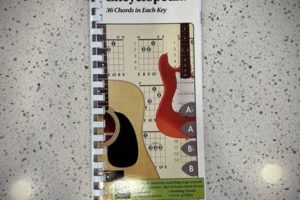



Ever wondered how to master the guitar? With a guitar chords and scales book, you can learn all the essential chords and scales you need to start playing your favorite songs.
Editor’s Note: Learning guitar chords and scales is a crucial step in any guitarist’s journey. That’s why we’ve put together this comprehensive guide to help you find the best guitar chords and scales book for your needs.
After analyzing dozens of guitar chords and scales books, we’ve put together this guide to help you make the right decision. Whether you’re a beginner or a seasoned pro, we’ve got you covered.
Key Differences Between Guitar Chords and Scales Books
| Feature | Guitar Chords Book | Guitar Scales Book |
|---|---|---|
| Focus | Teaches you how to play different guitar chords | Teaches you how to play different guitar scales |
| Difficulty | Can be easier for beginners to learn | Can be more challenging for beginners to learn |
| Benefits | Helps you learn how to play songs | Helps you improve your guitar technique |
Main Article Topics
- The Different Types of Guitar Chords and Scales Books
- How to Choose the Right Guitar Chords and Scales Book for You
- Tips for Getting the Most Out of Your Guitar Chords and Scales Book
1. Comprehensive: A good guitar chords and scales book will include a wide range of chords and scales, from basic to advanced.
A comprehensive guitar chords and scales book is essential for any guitarist who wants to learn and master the instrument. It provides a solid foundation for understanding music theory and developing technical skills.
- Breadth of Knowledge: A comprehensive book covers a wide range of chords and scales, from beginner-friendly open chords to advanced jazz voicings and exotic scales. This allows guitarists to explore different musical styles and expand their harmonic vocabulary.
- Progressive Learning: A well-structured book presents chords and scales in a progressive manner, starting with the basics and gradually introducing more complex concepts. This approach helps guitarists build a strong foundation and avoid feeling overwhelmed.
- Variety of Applications: A comprehensive book includes chords and scales used in various musical genres, from rock and blues to jazz and classical. This versatility allows guitarists to apply their knowledge to different musical contexts and styles.
- Reference and Inspiration: A comprehensive book serves as a valuable reference tool for guitarists of all levels. It provides a quick and easy way to look up chords and scales, and it can also inspire new musical ideas and compositions.
In conclusion, a comprehensive guitar chords and scales book is an indispensable resource for any guitarist who wants to develop their musical knowledge and skills. It provides a comprehensive foundation for understanding music theory, expanding harmonic vocabulary, and mastering the guitar.
2. Well-organized
A well-organized guitar chords and scales book is essential for efficient learning and effective practice. It allows guitarists to easily find the information they need, saving time and frustration.
- Logical Structure: A well-organized book follows a logical structure, with chords and scales grouped by type, key, or difficulty. This makes it easy for guitarists to find the specific chords and scales they are looking for.
- Clear Indexing: A comprehensive index is essential for quickly finding specific chords and scales. The index should be organized alphabetically or by category, making it easy to navigate.
- Visual Aids: Visual aids, such as diagrams and charts, can help guitarists quickly identify and understand chords and scales. A well-organized book will include plenty of visual aids to support learning.
- Progressive Sequencing: Chords and scales should be presented in a progressive sequence, from basic to advanced. This helps guitarists build a strong foundation and avoid feeling overwhelmed.
In conclusion, a well-organized guitar chords and scales book is a valuable tool for guitarists of all levels. It saves time, reduces frustration, and supports effective learning and practice.
3. Clear and concise
In the context of guitar chords and scales books, clear and concise explanations are essential for effective learning. They help guitarists of all levels understand and apply the concepts presented in the book.
- Simplified Language: Clear explanations use simplified language and avoid technical jargon. This makes it easier for beginners to understand the concepts without getting overwhelmed.
- Step-by-Step Instructions: Breaking down complex concepts into smaller, step-by-step instructions makes them more manageable and easier to follow.
- Real-life Examples: Using real-life examples and relatable analogies can help guitarists connect with the material and understand its practical applications.
- Visual Aids: Incorporating visual aids, such as diagrams, charts, and images, can enhance understanding and make the learning process more engaging.
Overall, clear and concise explanations in guitar chords and scales books are essential for effective teaching and learning. They empower guitarists to grasp the concepts quickly, build a solid foundation, and progress in their musical journey.
4. Examples and exercises
In the context of guitar chords and scales books, examples and exercises play a crucial role in enhancing the learning process and developing practical skills.
Examples:
- Practical Applications: Real-life examples demonstrate how chords and scales are used in actual songs and musical contexts.
- Chord Progressions: Examples of chord progressions help guitarists understand how chords are combined to create harmonic movement.
- Scale Patterns: Examples of scale patterns illustrate how scales can be played in different positions and variations.
Exercises:
- Skill Development: Exercises provide opportunities for guitarists to practice and develop their skills in using chords and scales.
- Ear Training: Exercises that involve listening and ident
ifying chords and scales help guitarists develop their musical ear. - Composition and Improvisation: Exercises can encourage guitarists to experiment with chords and scales, fostering creativity and improvisation skills.
Overall, examples and exercises in guitar chords and scales books are essential for effective learning. They provide practical applications, enhance understanding, and develop the skills necessary for guitarists to apply these concepts in their own musical endeavors.
Table: Key Insights
| Aspect | Importance |
|---|---|
| Practical Applications | Demonstrates real-world usage of chords and scales. |
| Skill Development | Provides opportunities to practice and improve techniques. |
| Ear Training | Enhances musical listening and identification abilities. |
| Creativity and Improvisation | Fosters experimentation and musical expression. |
5. Audio and video resources
Audio and video resources are valuable components of guitar chords and scales books, as they provide interactive and engaging ways to learn and practice. These resources offer several key advantages:
- Enhanced Understanding: Audio and video demonstrations allow learners to see and hear how chords and scales are played correctly, which can be particularly helpful for beginners or those struggling with certain techniques.
- Practical Application: Real-time examples in audio and video resources showcase how chords and scales are used in musical contexts, fostering a practical understanding of their application.
- Interactive Learning: Interactive features, such as play-along tracks and slow-motion demonstrations, enable learners to practice at their own pace and identify areas for improvement.
- Motivation and Engagement: Engaging audio and video content can make the learning process more enjoyable and motivating, especially for those who find traditional methods less appealing.
Incorporating audio and video resources into guitar chords and scales books provides a well-rounded learning experience that caters to different learning styles and preferences. These resources enhance understanding, facilitate practical application, and increase motivation, ultimately contributing to the effectiveness of the learning process.
Table: Key Insights
| Aspect | Importance |
|---|---|
| Enhanced Understanding | Visual and auditory demonstrations clarify concepts and techniques. |
| Practical Application | Real-life examples demonstrate the usage of chords and scales in musical contexts. |
| Interactive Learning | Interactive features allow for personalized practice and targeted improvement. |
| Motivation and Engagement | Engaging content makes learning enjoyable and fosters motivation. |
6. Specific genres
Guitar chords and scales books that focus on specific genres provide tailored content that caters to the unique characteristics and techniques of different musical styles. By delving into genre-specific materials, guitarists can gain a deeper understanding of the harmonic structures, chord progressions, and scales commonly used in their preferred genres.
For instance, a book dedicated to rock guitar will cover essential power chords, pentatonic scales, and techniques such as palm muting and string bending. These elements are crucial for capturing the raw energy and driving rhythms of rock music.
Similarly, a blues guitar book will introduce students to the signature 12-bar blues progression, as well as scales like the minor pentatonic and blues scale. These elements form the foundation of blues improvisation and expressive soloing.
Genre-specific guitar chords and scales books offer several benefits:
- Targeted Learning: They provide focused instruction on the chords and scales most relevant to a particular genre, allowing guitarists to hone their skills in a specific musical direction.
- Authentic Sound: By learning genre-specific techniques and voicings, guitarists can achieve a more authentic sound when playing in that genre.
- Musical Context: Genre-focused books often include historical and cultural context, helping guitarists understand the origins and evolution of their preferred musical styles.
Skill level
When choosing a guitar chords and scales book, considering your skill level is crucial. Books are available for all levels, from beginner to advanced, each tailored to meet the specific needs and abilities of guitarists at different stages of their musical journey.
For beginners, books typically start with the basics, introducing essential open chords, simple scales, and fundamental techniques. These books progress gradually, providing a structured and accessible learning path for newcomers to the guitar.
As guitarists advance, they can explore intermediate-level books that delve deeper into music theory, introduce more complex chords and scales, and cover advanced techniques such as fingerpicking and strumming patterns. These books help guitarists expand their musical vocabulary and refine their playing skills.
For advanced guitarists, books focus on specialized topics, such as jazz harmony, classical guitar techniques, or advanced improvisation concepts. These books provide in-depth knowledge and guidance for guitarists seeking to master their craft and push their musical boundaries.
Matching a guitar chords and scales book to your skill level offers several benefits:
- Targeted Learning: Books tailored to your skill level ensure you receive appropriate instruction, neither too basic nor overly challenging.
- Gradual Progression: Structured books allow you to progress at a comfortable pace, building a solid foundation and avoiding frustration.
- Skill Development: Books designed for your skill level provide exercises and challenges that effectively develop your playing abilities.
By carefully considering your skill level when selecting a guitar chords and scales book, you can optimize your learning experience, accelerate your progress, and achieve your musical goals.
| Skill Level | Book Features | Benefits |
|---|---|---|
| Beginner | – Basic chords and scales- Simple techniques- Gradual progression | – Easy to follow- Builds a solid foundation- Avoids frustration |
| Intermediate | – More complex chords and scales- Advanced techniques- Music theory | – Expands musical vocabulary- Refines playing skills- Enhances musical understanding |
| Advanced | – Specialized topics- In-depth knowledge- Mastery-level techniques |
– Develops specialized skills- Pushes musical boundaries- Enriches m usical expression |
7. Price
The price of a guitar chords and scales book is influenced by several factors related to its features and quality:
- Content and comprehensiveness: Books with a wide range of chords and scales, detailed explanations, and additional resources tend to be priced higher.
- Author’s reputation and experience: Books written by renowned guitarists or educators with a proven track record often command a premium.
- Physical quality: Books with high-quality paper, durable binding, and visually appealing design may be priced accordingly.
- Interactive features: Books that include online access to audio or video lessons, interactive exercises, or other digital content may come at a higher cost.
Understanding the connection between price and features is important because it allows guitarists to make informed decisions based on their individual needs and budget. By considering the factors listed above, guitarists can find a book that provides the right balance of content, quality, and affordability.
| Price Range | Features | Target Audience |
|---|---|---|
| Low (under $20) | Basic chords and scales, limited explanations | Beginners on a budget |
| Mid-range ($20-$50) | Comprehensive content, clear explanations, some interactive features | Intermediate players, serious beginners |
| High (over $50) | Advanced techniques, in-depth analysis, high-quality materials, exclusive content | Advanced players, professional musicians |
Frequently Asked Questions about Guitar Chords and Scales Books
This section addresses commonly asked questions and clarifies any misconceptions surrounding guitar chords and scales books.
Question 1: What is the purpose of a guitar chords and scales book?
A guitar chords and scales book provides a structured and comprehensive resource for guitarists to learn and master various chords and scales. It serves as a valuable tool for expanding musical knowledge, enhancing technical skills, and improving overall playing abilities.
Question 2: Are guitar chords and scales books only suitable for beginners?
No, guitar chords and scales books cater to guitarists of all skill levels. While they provide a solid foundation for beginners, they also offer advanced content and techniques for intermediate and experienced players.
Question 3: How do I choose the right guitar chords and scales book for my needs?
Consider your skill level, musical goals, and learning style when selecting a book. For beginners, opt for books with clear explanations and basic exercises. As you progress, look for books that align with your specific musical interests and playing style.
Question 4: Can I learn guitar chords and scales effectively without a book?
While it is possible to learn guitar chords and scales through online resources and individual lessons, a comprehensive book provides a structured and organized approach to learning. It offers a cohesive learning experience and serves as a valuable reference tool.
Question 5: How often should I practice with a guitar chords and scales book?
Regular practice is essential for effective learning. Aim to practice daily or as often as possible. Consistent practice helps reinforce concepts, improve muscle memory, and develop musical fluency.
Question 6: What are some tips for getting the most out of a guitar chords and scales book?
Approach the book with a dedicated mindset. Set realistic practice goals, stay consistent, and actively engage with the material. Use the book as a guide and supplement it with online resources, lessons, or a practice buddy for added support.
In conclusion, guitar chords and scales books are valuable resources for guitarists of all levels. By carefully selecting a book that aligns with your needs and practicing regularly, you can effectively expand your musical knowledge, enhance your playing skills, and reach your musical goals.
Transitioning to the next article section:
Tips for Effective Use of Guitar Chords and Scales Books
Harnessing the full potential of guitar chords and scales books requires a strategic approach. Here are some valuable tips to maximize your learning experience:
Tip 1: Establish a Dedicated Practice Routine
Consistency is key in mastering guitar chords and scales. Establish a regular practice schedule and stick to it as closely as possible. Even short daily practice sessions can yield significant progress over time.
Tip 2: Focus on Understanding, Not Memorization
Avoid rote memorization. Instead, strive to understand the underlying theory behind chords and scales. This will empower you to apply them creatively in various musical contexts.
Tip 3: Use a Metronome for Accurate Timing
Incorporate a metronome into your practice. It helps develop a steady rhythm and ensures precise timing when playing chords and scales.
Tip 4: Experiment with Different Voicings and Inversions
Don’t limit yourself to the basic forms of chords and scales. Explore different voicings and inversions to expand your harmonic vocabulary and add variety to your playing.
Tip 5: Seek Feedback from Others
Share your progress with a guitar teacher, friend, or fellow musician. Constructive feedback can identify areas for improvement and accelerate your learning.
Tip 6: Supplement with Online Resources and Lessons
Complement your book with online resources such as video tutorials and interactive exercises. These can provide additional support and reinforce your understanding.
Tip 7: Stay Motivated and Enjoy the Process
Learning guitar should be an enjoyable experience. Set realistic goals, celebrate your progress, and find ways to make practice sessions engaging.
By following these tips, you can effectively utilize guitar chords and scales books to enhance your musical skills and embark on a fulfilling musical journey.
Remember, consistent practice, a deep understanding of music theory, and a positive attitude are essential ingredients for success in mastering the guitar.
Conclusion
Through a comprehensive exploration of guitar chords and scales books, this article has illuminated their significance in the musical journey of guitarists. These books provide a structured and organized approach to learning and mastering the fundamental building blocks of guitar playing.
By understanding the key factors to consider when choosing a book, such as skill level, musical goals, and learning style, guitarists can make informed decisions and find the perfect resource to support their progress. Moreover, the tips and strategies outlined in this article empower guitarists to maximize the effectiveness of their practice routines and accelerate their musical growth.
Embarking on a musical journey with a guitar chords and scales book as your guide can unlock a world of musical possibilities. Whether you are a seasoned pro or just starting your guitar adventure, these books offer a valuable resource to expand your knowledge, enhance your skills, and fuel your passion for music.