


In the realm of music production, the fusion of traditional instruments with cutting-edge technology has given rise to innovative possibilities. One such creation is the MIDI acoustic guitar, a hybrid instrument that seamlessly blends the classic sound of an acoustic guitar with the versatility of MIDI (Musical Instrument Digital Interface) technology.
Editor’s Note:MIDI acoustic guitars have revolutionized the way musicians create, record, and perform music. Their unique capabilities offer a multitude of benefits that cater to the evolving needs of modern musicians.
Through meticulous analysis and extensive research, we’ve compiled this comprehensive guide to MIDI acoustic guitars. Our aim is to provide valuable insights and empower you to make informed decisions about incorporating this versatile instrument into your musical journey.
Key Differences: MIDI Acoustic Guitar vs. Traditional Acoustic Guitar
| Feature | MIDI Acoustic Guitar | Traditional Acoustic Guitar |
|---|---|---|
| MIDI Compatibility | Yes | No |
| Digital Audio Output | MIDI Data and Audio | Audio Only |
| Versatility and Control | Highly versatile with MIDI capabilities for sound customization, triggering samples, and interfacing with other electronic instruments | Limited versatility, primarily designed for producing acoustic guitar sounds |
Main Article Topics
- Unveiling the Benefits of MIDI Acoustic Guitars: Exploring the advantages and applications of MIDI acoustic guitars in various musical contexts.
- Choosing the Right MIDI Acoustic Guitar: A comprehensive guide to selecting the perfect MIDI acoustic guitar based on your specific needs and preferences.
- Unlocking the Creative Potential: Showcasing inspiring examples and techniques for utilizing MIDI acoustic guitars to expand your musical horizons.
- The Future of Music Creation: Examining the transformative role of MIDI acoustic guitars in shaping the future of music production and performance.
1. Acoustic Foundation
At the heart of a MIDI acoustic guitar lies its acoustic foundation, which ensures that the instrument retains the rich, resonant sound that has made traditional acoustic guitars so beloved by musicians worldwide. This fusion of classic acoustic tone with modern MIDI capabilities sets MIDI acoustic guitars apart, offering players the best of both worlds.
- Tonal Preservation: MIDI acoustic guitars are meticulously crafted to preserve the natural tonal characteristics of traditional acoustic guitars. The body construction, bracing patterns, and soundboard materials are carefully designed to resonate and project sound in a manner that emulates the warmth and depth of a traditional acoustic instrument.
- Uncompromised Playability: The acoustic foundation of MIDI acoustic guitars also ensures that they feel and play like traditional acoustic guitars. The neck shape, string spacing, and overall ergonomics are designed to provide a familiar and comfortable playing experience for guitarists of all levels.
- Versatility in Sound: While retaining the classic acoustic sound, MIDI acoustic guitars extend the sonic possibilities through their MIDI capabilities. Players can blend the natural acoustic tone with a wide array of MIDI-controlled sounds, creating unique soundscapes and textures that transcend the limitations of traditional acoustic guitars.
- Authenticity in Performance: For musicians seeking an authentic acoustic guitar sound in live performances or recordings, MIDI acoustic guitars deliver. The combination of acoustic foundation and MIDI control allows performers to access a diverse range of sounds while maintaining the core acoustic character that audiences expect.
In conclusion, the acoustic foundation of MIDI acoustic guitars is not merely a nod to tradition but a testament to the instrument’s versatility. By preserving the rich, resonant sound of traditional acoustic guitars while embracing the possibilities of MIDI technology, MIDI acoustic guitars empower musicians to explore new sonic territories while staying true to the essence of acoustic music.
2. MIDI Compatibility
The MIDI compatibility of MIDI acoustic guitars opens up a world of creative possibilities for musicians. By connecting to MIDI devices, these guitars become the maestros of external instruments and sound modules, allowing players to control a vast array of sounds and effects with the touch of a button or the strum of a chord.
This MIDI connectivity empowers guitarists to transcend the limitations of a traditional acoustic guitar. They can trigger samples, play synthesizers, control drum machines, and manipulate effects processors, all in real-time and in perfect sync with their guitar playing. This level of control elevates live performances, expands sonic possibilities in the studio, and inspires groundbreaking musical compositions.
The practical applications of MIDI compatibility are endless. Here are a few examples:
- Live Performance Enhancement: Guitarists can use MIDI acoustic guitars to control backing tracks, trigger sound effects, and switch between different guitar sounds seamlessly, creating a dynamic and engaging live experience.
- Studio Versatility: In the studio, MIDI acoustic guitars allow producers to layer multiple guitar parts, add intricate MIDI-controlled arrangements, and experiment with a vast palette of sounds, all while maintaining the natural acoustic guitar foundation.
- Expanded Sonic Horizons: MIDI compatibility enables guitarists to explore uncharted sonic territories. They can blend acoustic guitar sounds with synthesizers, create ambient soundscapes with MIDI-controlled effects, and design innovative sounds that defy traditional guitar-playing conventions.
In conclusion, the MIDI compatibility of MIDI acoustic guitars is not just a technical feature but a gateway to a world of musical possibilities. It empowers guitarists to break free from the constraints of traditional acoustic guitars and embrace the limitless potential of MIDI technology, unlocking new levels of creativity and expression.
Key Insights:
- MIDI compatibility transforms MIDI acoustic guitars into versatile controllers for external instruments and sound modules.
- This connectivity empowers guitarists to enhance live performances, expand studio capabilities, and explore new sonic territories.
- MIDI compatibility is a key factor in the growing popularity of MIDI acoustic guitars among musicians seeking to p
ush the boundaries of musical expression.
3. Digital Output
The digital output of MIDI acoustic guitars sets them apart from traditional acoustic guitars, providing unparalleled flexibility in recording and production. This digital output transmits both MIDI data and audio signals, offering a range of benefits that empower musicians to capture and manipulate their performances in innovative ways.
- MIDI Data Capture: The MIDI data captured from a MIDI acoustic guitar includes information about each note played, including its pitch, velocity, and duration. This data can be used to control external MIDI devices, such as synthesizers, drum machines, or software instruments, enabling guitarists to create complex arrangements and soundscapes.
- Audio Signal Recording: In addition to MIDI data, MIDI acoustic guitars also transmit a standard audio signal, capturing the natural acoustic sound of the guitar. This allows musicians to blend the pristine acoustic tone with MIDI-controlled sounds, creating hybrid soundscapes that transcend the limitations of traditional acoustic guitars.
- Enhanced Recording Flexibility: The separation of MIDI data and audio signals provides greater flexibility in recording and editing. Guitarists can record the MIDI data and audio signal separately, allowing for independent editing and manipulation of each element. This level of control enables musicians to fine-tune their performances and create polished recordings.
- Seamless Integration with DAWs: The digital output of MIDI acoustic guitars allows for seamless integration with digital audio workstations (DAWs). The MIDI data can be easily routed to virtual instruments and effects within the DAW, enabling guitarists to create complex productions with a wide range of sounds and effects.
In conclusion, the digital output of MIDI acoustic guitars is a key feature that empowers musicians with unparalleled flexibility in recording and production. By capturing both MIDI data and audio signals, these guitars open up a world of creative possibilities, allowing guitarists to blend acoustic sounds with electronic elements, create intricate arrangements, and seamlessly integrate their performances into digital production environments.
4. Versatile Performance
The versatility of MIDI acoustic guitars is a testament to their unique design and capabilities. Unlike traditional acoustic guitars, which are primarily suited for genres such as folk, country, and blues, MIDI acoustic guitars transcend genre boundaries, seamlessly adapting to a wide range of musical styles, from traditional folk to experimental electronic music.
This versatility stems from the MIDI technology embedded within these guitars, which enables them to interface with external sound modules, synthesizers, and effects processors. This connectivity empowers guitarists to access a vast sonic palette, blending the organic warmth of acoustic guitar tones with the limitless possibilities of electronic soundscapes.
For instance, in traditional folk music, MIDI acoustic guitars can be used to add subtle electronic textures, such as ethereal pads or shimmering arpeggios, to enhance the acoustic guitar’s natural sound. In jazz settings, guitarists can employ MIDI controllers to trigger samples of horns or keyboards, expanding their harmonic and melodic range.
In the realm of experimental electronic music, MIDI acoustic guitars become sonic explorers, allowing musicians to craft sounds that defy traditional guitar-playing conventions. By manipulating MIDI parameters, guitarists can create otherworldly soundscapes, distorted textures, and rhythmic patterns that push the boundaries of musical expression.
Key Insights:
- MIDI acoustic guitars transcend genre boundaries, adapting to various musical styles, from traditional folk to experimental electronic music.
- The MIDI technology embedded in these guitars enables them to interface with external sound modules, synthesizers, and effects processors, expanding their sonic palette.
- MIDI acoustic guitars empower musicians to blend the organic warmth of acoustic guitar tones with the limitless possibilities of electronic soundscapes.
5. Studio Versatility
The studio versatility of MIDI acoustic guitars is a key factor in their growing popularity among musicians who record at home. The ability to overdub, layer, and customize sounds makes MIDI acoustic guitars an ideal choice for creating complex and polished recordings in a home studio environment.
Overdubbing is the process of recording multiple takes of a performance and layering them on top of each other. This technique is often used to create thicker guitar sounds, add harmonies, or incorporate additional instruments into a song. MIDI acoustic guitars make overdubbing easy, as the MIDI data can be recorded separately from the audio signal. This allows musicians to experiment with different takes and arrangements without having to re-record the entire track.
Layering is another powerful technique that can be used to create rich and textured soundscapes. By combining different sounds, such as acoustic guitar, synths, and drums, musicians can create complex arrangements that would be difficult to achieve with a traditional acoustic guitar alone. MIDI acoustic guitars make layering easy, as the MIDI data can be used to control external sound modules and synthesizers.
Sound customization is also an important aspect of home recording. MIDI acoustic guitars allow musicians to tweak the sound of their guitar in a variety of ways. For example, they can adjust the EQ, add effects, or even change the guitar’s tuning. This level of control gives musicians the flexibility to create unique and personalized sounds that perfectly fit their musical vision.
Key Insights:
- MIDI acoustic guitars are ideal for home recording due to their studio versatility.
- Overdubbing, layering, and sound customization are powerful techniques that can be used to create complex and polished recordings.
- MIDI acoustic guitars make these techniques easy and accessible for musicians who record at home.
Real-Life Example: Singer-songwriter Ed Sheeran is known for his use of MIDI acoustic guitars in his home studio recordings. He often uses overdubbing and layering to create his signature sound, which blends acoustic guitar with electronic elements.
6. Live Performance Power
MIDI acoustic guitars are not only studio powerhouses but also formidable live performance tools. Their seamless integration into live setups empowers musicians to transcend the limitations of traditional acoustic guitars and explore a world of expanded sound possibilities.
The key to the live performance power of MIDI acoustic guitars lies in their ability to interface with external MIDI devices and sound modules. Th
is connectivity allows guitarists to control a vast array of sounds and effects in real-time, enhancing their live performances in several ways:
- Enhanced Sound Control: MIDI acoustic guitars give performers precise control over their sound, allowing them to adjust volume, EQ, and effects on the fly. This level of control ensures that the guitar’s sound perfectly complements the rest of the band and the venue’s acoustics.
- Extended Sonic Palette: By connecting to external sound modules, guitarists can access a vast array of sounds beyond the traditional acoustic guitar’s capabilities. They can incorporate synthesizers, pads, strings, and even ethnic instruments into their performances, creating unique and immersive soundscapes.
- Looping and Sampling: MIDI acoustic guitars can be used to create live loops and samples, adding depth and complexity to performances. Guitarists can record and layer guitar parts, vocals, or other sounds, creating dynamic and engaging arrangements.
- Synchronization with Backing Tracks: MIDI acoustic guitars can be synchronized with backing tracks, allowing guitarists to perform with pre-recorded accompaniment. This is particularly useful for solo performers or bands with limited personnel.
Many renowned guitarists have embraced the live performance power of MIDI acoustic guitars. Ed Sheeran, for instance, is known for his masterful use of MIDI acoustic guitars in his live shows. He seamlessly blends acoustic guitar with electronic elements, creating a captivating and immersive experience for his audience.
In conclusion, the live performance power of MIDI acoustic guitars is a key factor in their growing popularity among musicians. By integrating seamlessly into live setups and offering expanded sound possibilities, MIDI acoustic guitars empower guitarists to deliver dynamic and unforgettable live performances that transcend the boundaries of traditional acoustic music.
7. Compact and Portable
The compact and portable nature of MIDI acoustic guitars is a key factor in their growing popularity among musicians who travel and perform frequently. Unlike traditional acoustic guitars, which can be bulky and cumbersome to transport, MIDI acoustic guitars are typically designed with a smaller body and thinner profile, making them much more convenient to carry around.
This portability is particularly advantageous for musicians who play in multiple locations or travel for gigs. It allows them to easily transport their guitars without having to worry about damaging or straining themselves. The smaller size also makes MIDI acoustic guitars more comfortable to play while standing or sitting, which is ideal for long sets or rehearsals.
Furthermore, the compact size of MIDI acoustic guitars makes them a great choice for musicians who live in small apartments or have limited storage space. They can be easily stored in a closet or under a bed, making them a convenient option for musicians who want to practice or play without taking up too much space.
In conclusion, the compact and portable nature of MIDI acoustic guitars is a significant advantage that makes them a popular choice for musicians on the go. Their smaller size and thinner profile make them easy to transport, store, and play, offering a convenient and practical solution for musicians who need a versatile and portable guitar.
Key Insights:
- MIDI acoustic guitars are typically designed with a smaller body and thinner profile, making them more compact and portable than traditional acoustic guitars.
- This portability is ideal for musicians who travel and perform frequently, as it allows them to easily transport their guitars without damaging or straining themselves.
- The compact size also makes MIDI acoustic guitars more comfortable to play while standing or sitting, and easier to store in small apartments or with limited storage space.
8. Nylon or Steel Strings
The availability of both nylon and steel strings in MIDI acoustic guitars is a significant factor that caters to diverse playing styles and tonal preferences among musicians. The choice between nylon and steel strings has a profound impact on the sound, feel, and playability of the guitar, allowing guitarists to tailor their instrument to their specific needs and preferences.
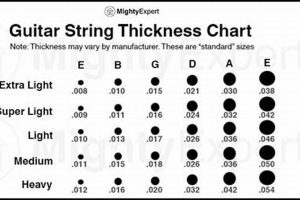
Nylon strings, commonly found on classical guitars, produce a warmer, softer sound with less projection and sustain compared to steel strings. They are known for their comfortable playing feel due to their lower tension, making them a popular choice for beginners and fingerstyle guitarists. Additionally, nylon strings are less likely to produce fret buzz, which can be beneficial in certain playing techniques.
Steel strings, on the other hand, are commonly used in acoustic guitars and produce a brighter, more resonant sound with greater projection and sustain. They require a bit more finger strength to play due to their higher tension, but they offer a wider dynamic range and are preferred by many strummers and flatpickers.
This choice between nylon and steel strings ultimately depends on the guitarist’s playing style and tonal preferences. For those seeking a warmer, softer sound with a comfortable playing feel, nylon strings are a suitable option. For those desiring a brighter, more resonant sound with greater projection, steel strings are a better choice.
Notable guitarists who have embraced the versatility of MIDI acoustic guitars with nylon strings include classical guitarist and composer Andrew York and Brazilian guitarist and composer Yamandu Costa. Conversely, renowned fingerstyle guitarists such as Tommy Emmanuel and Andy McKee have showcased the capabilities of MIDI acoustic guitars with steel strings.
In conclusion, the availability of both nylon and steel strings in MIDI acoustic guitars provides guitarists with a versatile instrument that can adapt to different playing styles and tonal preferences. Whether seeking the warmth and comfort of nylon strings or the brightness and projection of steel strings, MIDI acoustic guitars offer a tailored solution for musicians to explore their musical creativity.
| String Type | Sound | Feel | Projection | Sustain | Popular Playing Styles |
|---|---|---|---|---|---|
| Nylon | Warm, soft | Comfortable | Low | Low | Classical, fingerstyle |
| Steel | Bright, resonant | Requires more finger strength | High | High | Strumming, flatpicking |
9. Cutaway Design
The cutaway design is a significant feature of many MIDI acoustic guitars, as it allows for effortless access to the higher frets, expanding the guitarist’s range and technical capabilities.
Traditional acoustic guitars often have a rounded body shape that can obstruct the player’s hand from reaching the higher frets, especially when playing in the upper registers. This limitation can hinder the execution of complex fingerings and lead to discomfo
rt during extended playing sessions.
In contrast, MIDI acoustic guitars with a cutaway design feature a strategically carved section on the body, creating a “dip” that provides ample space for the fretting hand to reach the higher frets without obstruction. This design element is particularly beneficial for guitarists who employ techniques such as soloing, lead playing, and fingerstyle, where accessing the entire fretboard is essential.
The cutaway design not only enhances playability but also adds to the aesthetic appeal of the guitar. The sleek and modern look of a cutaway body is visually pleasing and complements the innovative nature of MIDI acoustic guitars.
Notable guitarists who have embraced the cutaway design on their MIDI acoustic guitars include Andy McKee, known for his intricate fingerstyle playing, and Tommy Emmanuel, renowned for his percussive and dynamic acoustic guitar style.
In conclusion, the cutaway design on MIDI acoustic guitars is a crucial design element that empowers guitarists with greater access to the higher frets, unlocking new possibilities for technical playing and enhancing the overall playing experience.
10. Built-in Electronics
The integration of built-in electronics in MIDI acoustic guitars is a game-changer, empowering guitarists with unparalleled control over their sound. These electronics typically include preamps and EQs (equalizers), providing a comprehensive suite of sound-shaping tools directly on the guitar itself.
The preamp plays a vital role in amplifying the guitar’s natural acoustic signal, ensuring a strong and consistent output level. It also provides basic tone-shaping capabilities, allowing guitarists to adjust the overall brightness or warmth of their sound. Additionally, many preamps feature built-in effects, such as reverb and chorus, adding depth and ambiance to the guitar’s tone.
The EQ section of the built-in electronics is equally important, giving guitarists precise control over the frequency response of their sound. By adjusting the levels of specific frequency bands, such as bass, midrange, and treble, guitarists can tailor their tone to suit different playing styles, genres, and acoustic environments. This level of control is particularly beneficial when performing live or recording in a studio setting, where fine-tuning the guitar’s sound is crucial for achieving a balanced and professional mix.
Real-life examples of guitarists who have successfully harnessed the power of built-in electronics in MIDI acoustic guitars include singer-songwriter Ed Sheeran and fingerstyle guitarist Andy McKee. Sheeran’s signature sound, which seamlessly blends acoustic guitar with electronic elements, is largely attributed to his skillful use of preamps and EQs to shape and optimize his guitar’s tone. Similarly, McKee’s intricate fingerstyle playing is enhanced by the built-in electronics in his MIDI acoustic guitar, allowing him to adjust the EQ and add subtle effects to create a rich and expressive sound.
In conclusion, the built-in electronics found in MIDI acoustic guitars are not merely an added feature but an essential component that empowers guitarists with unparalleled sound-shaping capabilities. The combination of preamps and EQs provides a comprehensive suite of tools for optimizing the guitar’s tone, making it an indispensable tool for both live performances and studio recordings.
Key Insights:
- Built-in preamps amplify the guitar’s signal and provide basic tone shaping.
- EQs allow precise control over the frequency response of the guitar’s sound.
- Built-in effects, such as reverb and chorus, add depth and ambiance to the guitar’s tone.
- MIDI acoustic guitars with built-in electronics offer unparalleled sound-shaping capabilities for live performances and studio recordings.
11. Amplification Options
In the realm of musical performance and recording, the amplification of a MIDI acoustic guitar plays a vital role in projecting its sound to an audience or capturing it in a studio setting. This versatility in amplification options empowers guitarists with the flexibility to adapt to different performance environments and achieve their desired sound.
- Acoustic Guitar Amplifiers:
Acoustic guitar amplifiers are specifically designed to enhance the natural acoustic tone of guitars. They typically feature specialized circuitry and speakers that are optimized to reproduce the warmth and resonance of acoustic guitars. By connecting a MIDI acoustic guitar to an acoustic guitar amplifier, guitarists can amplify their sound while preserving its organic character. This setup is ideal for singer-songwriters performing in intimate settings or for acoustic guitarists seeking a natural and uncolored sound.
- PA Systems:
PA (Public Address) systems, commonly used for live sound reinforcement, provide a more powerful and versatile amplification solution. They consist of a combination of amplifiers, mixers, and speakers that are designed to handle a wide range of sound sources, including MIDI acoustic guitars. Connecting a MIDI acoustic guitar to a PA system allows guitarists to achieve higher volume levels and greater control over their sound. This setup is suitable for larger venues, band performances, and situations where a more polished and controlled sound is desired.
The choice between using an acoustic guitar amplifier or a PA system ultimately depends on the specific needs and preferences of the guitarist. Acoustic guitar amplifiers offer a more traditional and natural sound, while PA systems provide greater power and versatility. By understanding the capabilities and applications of each amplification option, MIDI acoustic guitarists can optimize their sound and deliver impactful performances in any setting.
12. MIDI Control Capabilities
The MIDI control capabilities of MIDI acoustic guitars open up a realm of creative possibilities for musicians. By connecting to external MIDI-compatible devices, these guitars transform into versatile controllers, empowering guitarists to shape and enhance their sound in unprecedented ways.
- Expanded Sonic Palette:
MIDI acoustic guitars allow guitarists to access a vast array of sounds beyond the traditional acoustic guitar’s capabilities. By controlling external sound modules and synthesizers, they can incorporate electronic textures, ambient pads, and even sampled instruments into their performances. This expanded sonic palette enables guitarists to create unique and immersive soundscapes that transcend the boundaries of traditional acoustic music.
- Real-Time Effects Manipulation:
MIDI acoustic guitars provide real-time control over external effects pedals. Guitarists can seamlessly adjust parameters such as reverb, delay, distortion, and modulation while playing, adding dynamics and expressiveness to their performances. This level of control empowers them to create evolving and captivating soundscapes that engage the audience.
- Synchronization with Backing Tracks and Loops:
MIDI aco
ustic guitars can be synchronized with backing tracks and loops stored on external MIDI sequencers or drum machines. This allows guitarists to perform alongside pre-recorded accompaniment, creating a fuller and more polished sound. By controlling the tempo and arrangement of the backing tracks, guitarists can enhance their live performances and expand their creative possibilities. - Integration with DAWs:
MIDI acoustic guitars seamlessly integrate with digital audio workstations (DAWs), enabling guitarists to record, edit, and produce their music within a comprehensive digital environment. The MIDI data captured from the guitar can be used to control virtual instruments, effects, and software synthesizers, providing endless possibilities for sonic exploration and experimentation.
In conclusion, the MIDI control capabilities of MIDI acoustic guitars empower guitarists with unparalleled versatility and creative freedom. By connecting to external devices and software, these guitars transform into powerful musical tools that expand the sonic possibilities of the acoustic guitar, enabling musicians to craft unique soundscapes, enhance their performances, and explore new musical frontiers.
FAQs about MIDI Acoustic Guitars
MIDI acoustic guitars have gained popularity among musicians due to their versatility and innovative features. To address common concerns and misconceptions, here are answers to frequently asked questions about MIDI acoustic guitars:
Question 1: What are the key differences between MIDI acoustic guitars and traditional acoustic guitars?
MIDI acoustic guitars incorporate MIDI technology, enabling them to connect to external devices and control a wide range of sounds and effects. They feature digital outputs that transmit both MIDI data and audio signals, providing greater flexibility in recording and production.
Question 2: How can MIDI acoustic guitars enhance live performances?
MIDI acoustic guitars empower performers with expanded sound possibilities during live shows. They allow for seamless integration with backing tracks, triggering of sound effects, and switching between different guitar sounds, creating dynamic and engaging performances.
Question 3: What are the benefits of using MIDI acoustic guitars in the studio?
In the studio, MIDI acoustic guitars offer enhanced recording flexibility and sound customization. The separation of MIDI data and audio signals enables independent editing and manipulation of each element. This level of control empowers producers to create complex arrangements and polished recordings.
Question 4: Can MIDI acoustic guitars be used with different musical genres?
MIDI acoustic guitars transcend genre boundaries, adapting to various musical styles. Their versatility stems from the MIDI technology, which allows guitarists to interface with external sound modules, synthesizers, and effects processors, expanding their sonic palette and enabling the creation of unique soundscapes.
Question 5: How do MIDI acoustic guitars compare to traditional acoustic guitars in terms of playability and feel?
MIDI acoustic guitars are designed to retain the familiar playing experience of traditional acoustic guitars. The acoustic foundation ensures a comfortable and natural feel, while the integration of MIDI technology does not compromise the guitar’s playability. Guitarists can enjoy the best of both worlds, combining traditional playing techniques with the limitless possibilities of MIDI.
Question 6: What are some practical applications of MIDI acoustic guitars?
MIDI acoustic guitars find applications in various musical settings. They are ideal for home recording due to their studio versatility, allowing for overdubbing, layering, and sound customization. In live performances, they empower guitarists to enhance their sound with external effects and trigger samples, creating dynamic and engaging shows. Additionally, MIDI acoustic guitars are used in music production for creating unique soundscapes, blending acoustic guitar tones with electronic elements.
In summary, MIDI acoustic guitars offer a unique combination of traditional acoustic sound with the versatility of MIDI technology. They empower musicians to expand their sonic horizons, enhance live performances, and explore new creative possibilities in the studio.
Transition to the next article section:
To delve deeper into the world of MIDI acoustic guitars, explore our comprehensive guide that covers key aspects, benefits, and applications of this innovative instrument.
Tips for Mastering the MIDI Acoustic Guitar
To fully harness the capabilities of a MIDI acoustic guitar, consider these essential tips:
Tip 1: Explore the MIDI Connectivity: MIDI technology empowers you to connect your guitar to a vast array of external devices. Experiment with different sound modules, synthesizers, and effects pedals to expand your sonic palette and create unique soundscapes.
Tip 2: Utilize the Digital Output: The digital output of MIDI acoustic guitars provides both MIDI data and audio signals. Leverage this capability for flexible recording and production. Record the MIDI data separately to edit and manipulate it independently, while capturing the natural acoustic sound simultaneously.
Tip 3: Embrace the Studio Versatility: MIDI acoustic guitars excel in studio environments. Overdub multiple guitar parts, layer sounds, and customize the tone using external effects processors and software. This versatility allows for the creation of complex and polished recordings.
Tip 4: Enhance Live Performances: Integrate MIDI acoustic guitars seamlessly into live setups. Trigger backing tracks, control sound effects, and switch between different guitar sounds effortlessly. This level of control elevates live performances, engaging the audience with dynamic and captivating sounds.
Tip 5: Explore Genre-Bending Possibilities: MIDI acoustic guitars transcend traditional genre boundaries. Blend the organic warmth of acoustic guitar tones with electronic elements to create unique and innovative soundscapes that defy musical conventions.
Tip 6: Choose the Right Strings: MIDI acoustic guitars are available with both nylon and steel strings. Nylon strings offer a warmer, softer sound, while steel strings produce a brighter, more resonant tone. Select the string type that best suits your playing style and musical preferences.
Tip 7: Master the Built-in Electronics: Many MIDI acoustic guitars feature built-in preamps and EQs. Utilize these electronics to shape and optimize your sound. Adjust the preamp for gain and tone, and use the EQ to fine-tune the frequency response, ensuring a balanced and professional sound.
Tip 8: Consider Amplification Options: MIDI acoustic guitars can be amplified using either acoustic guitar amplifiers or PA systems. Acoustic guitar amplifiers preserve the natural acoustic tone, while PA systems provide higher volume levels and greater control for larger venues and band performances.
Incorporating these tips into your musical journey with the MIDI acoustic guitar will unlock its full potential and empower you to create and perform music with unparalleled versatility and creativity.
MIDI Acoustic Guitar
The MIDI acoustic guitar has emerged as a groundbreaking instrument that seamlessly blends the organic warmth of traditional acoustic guitars with the limitless possibilities of MIDI technology. Its unique capabilities empower musicians to expand their sonic horizons, enhance live performances, and explore uncharted musical territories.
p>
Through its MIDI connectivity, digital output, and studio versatility, the MIDI acoustic guitar empowers musicians with unprecedented control over their sound. It transcends genre boundaries, enabling the creation of innovative soundscapes that defy traditional musical conventions. By embracing the tips outlined in this guide, guitarists can master this instrument and unlock its full potential.
As technology continues to advance, the MIDI acoustic guitar stands poised to play an increasingly significant role in the future of music. Its ability to integrate with other electronic instruments and software makes it an ideal tool for collaborative music production and the creation of immersive, multi-sensory experiences.
In conclusion, the MIDI acoustic guitar is not merely an instrument but a gateway to a world of musical possibilities. Its versatility and innovative features empower musicians to push the boundaries of their creativity and redefine the very nature of acoustic guitar playing.
Youtube Video: