When it comes to acoustic guitars, few brands are as iconic as Gibson. With a rich history dating back to the late 1800s, Gibson has produced some of the most sought-after guitars in the world. If you’re looking for a vintage Gibson acoustic guitar, there are a few things you should keep in mind.
Editor’s Note: Gibson acoustic guitars are highly sought-after by collectors and musicians alike. Due to their great sound quality and craftsmanship, these guitars can hold their value.
First, it’s important to understand that not all Gibson acoustic guitars are created equal. There are a number of different models and variations, each with its own unique sound and feel. Some of the most popular models include the J-45, the L-00, and the Hummingbird.
Once you’ve decided on a model, you’ll need to determine the age of the guitar. Gibson acoustic guitars are typically divided into three eras: pre-war (1942 and earlier), post-war (1943-1969), and modern (1970-present). Pre-war guitars are generally considered to be the most valuable, but they can also be more difficult to find.
Finally, you’ll need to consider the condition of the guitar. Vintage Gibson acoustic guitars can range in condition from excellent to poor. The condition of the guitar will affect its value, so it’s important to have it inspected by a qualified luthier before you make a purchase.
1. Model
When it comes to vintage Gibson acoustic guitars, there are a few models that stand out as being particularly popular. These models are prized for their exceptional sound quality, craftsmanship, and historical significance.
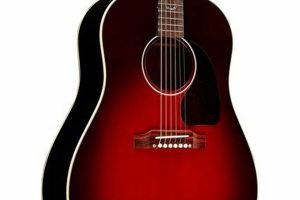
- J-45: The J-45 is one of Gibson’s most iconic models. It was first introduced in 1942 and has been a favorite of countless musicians ever since. The J-45 is known for its warm, rich sound and its comfortable playability.
- L-00: The L-00 is a smaller-bodied guitar that was originally designed for blues and folk musicians. It has a sweet, clear sound that is perfect for fingerpicking and strumming. The L-00 is also known for its affordability, making it a great option for .
- Hummingbird: The Hummingbird is a larger-bodied guitar that was introduced in 1960. It has a powerful, resonant sound that is perfect for bluegrass and country music. The Hummingbird is also known for its distinctive pickguard, which features a hummingbird in flight.
These are just a few of the most popular models of vintage Gibson acoustic guitars. With their exceptional sound quality, craftsmanship, and historical significance, these guitars are a truly special investment. Whether you’re a collector, a musician, or simply a lover of fine instruments, a vintage Gibson acoustic guitar is sure to captivate your heart and soul.
2. Era
The era in which a Gibson acoustic guitar was made can have a significant impact on its sound, feel, and value. Here is a brief overview of the three main eras of Gibson acoustic guitars:
- Pre-war (1942 and earlier): Pre-war Gibson acoustic guitars are highly sought-after by collectors and musicians alike. These guitars are known for their exceptional sound quality and craftsmanship. Many of the most famous Gibson acoustic guitars were made during this era, including the J-45, the L-00, and the Hummingbird.
- Post-war (1943-1969): Post-war Gibson acoustic guitars are also highly regarded by collectors and musicians. These guitars are known for their warm, rich sound and their comfortable playability. Some of the most popular post-war Gibson acoustic guitars include the J-45, the L-00, and the Dove.
- Modern (1970-present): Modern Gibson acoustic guitars are made using a variety of different materials and construction methods. These guitars are known for their versatility and their ability to produce a wide range of sounds. Some of the most popular modern Gibson acoustic guitars include the J-45, the L-00, and the Songwriter.
The era in which a Gibson acoustic guitar was made is just one of many factors that can affect its sound, feel, and value. Other factors include the model, the tonewoods used, and the condition of the guitar. However, the era in which a guitar was made can be a good starting point for narrowing down your search for the perfect vintage Gibson acoustic guitar.
3. Condition

When it comes to vintage Gibson acoustic guitars, condition is everything. A guitar that is in excellent condition will be worth more than a guitar that is in poor condition. This is because the condition of the guitar affects its sound, playability, and appearance.
There are a number of factors that can affect the condition of a vintage Gibson acoustic guitar, including:
- Age: Older guitars are more likely to have wear and tear than newer guitars.
- Storage: Guitars that have been stored in a humid environment are more likely to have damage to the wood and finish.
- Use: Guitars that have been played a lot are more likely to have scratches, dents, and other cosmetic damage.
If you are considering purchasing a vintage Gibson acoustic guitar, it is important to have it inspected by a qualified luthier. A luthier can assess the condition of the guitar and identify any potential problems. This information can help you make an informed decision about whether or not to purchase the guitar.
Here are some of the things that a luthier will look for when inspecting a vintage Gibson acoustic guitar:
- The overall condition of the wood and finish
- The condition of the neck and frets
- The condition of the bridge and saddle
- The condition of the tuners
- The condition of the electronics (if applicable)
By having a vintage Gibson acoustic guitar inspected by a qualified luthier, you can ensure that you are getting a guitar that is in good condition and that will last for many years to come.
4. Tonewoods

The tonewoods used in the construction of a guitar have a significant impact on its sound. Spruce is a lightweight wood that produces a bright, clear sound. Mahogany is a heavier wood that produces a warm, rich sound. Rosewood is a dense wood that produces a deep, resonant sound.
- Spruce: Spruce is the most common tonewood used in the construction of acoustic guitars. It is a lightweight wood that produces a bright, clear sound. Spruce is also very responsive to the player’s touch, making it
a good choice for guitars that are used for fingerpicking and strumming. - Mahogany: Mahogany is a heavier wood that produces a warm, rich sound. Mahogany is also very durable, making it a good choice for guitars that are used for heavy strumming and flatpicking.
- Rosewood: Rosewood is a dense wood that produces a deep, resonant sound. Rosewood is also very beautiful, making it a popular choice for guitars that are used for display as well as for playing.
The choice of tonewoods is one of the most important decisions that a guitar maker must make. The tonewoods used will have a significant impact on the sound, feel, and appearance of the guitar.
5. Bracing

In the realm of vintage Gibson acoustic guitars, the bracing pattern employed plays a pivotal role in shaping the instrument’s sonic characteristics and overall volume. Vintage Gibson guitars are renowned for their exceptional sound quality, and the bracing pattern is an integral component in achieving this tonal excellence.
- Scalloped Bracing:
Scalloped bracing is a technique where the braces are thinned or shaved down, resulting in a more flexible soundboard. This allows the soundboard to vibrate more freely, producing a louder and more resonant sound. Vintage Gibson guitars from the pre-war era (1942 and earlier) often featured scalloped bracing, contributing to their sought-after warm and rich tone.
- X-Bracing:
X-bracing is another common bracing pattern found in vintage Gibson acoustic guitars, particularly those from the post-war era (1943-1969). In this pattern, the braces are arranged in an “X” shape, providing structural support and enhancing the guitar’s projection and volume. The X-bracing design allows for a thinner soundboard, resulting in a brighter and more articulate sound.
- Hybrid Bracing:
Some vintage Gibson acoustic guitars feature a hybrid bracing pattern that combines elements of both scalloped and X-bracing. This hybrid approach aims to achieve a balance between the warmth and resonance of scalloped bracing and the projection and clarity of X-bracing. The result is a versatile guitar with a rich and nuanced sound.
Understanding the different bracing patterns used in vintage Gibson acoustic guitars is crucial for appreciating their unique sonic qualities. These bracing techniques have a profound impact on the guitar’s sound, volume, and overall playing experience, making them an essential consideration for collectors, musicians, and enthusiasts alike.
6. Hardware
In the realm of vintage Gibson acoustic guitars, the hardware plays a significant role in shaping the instrument’s sound, playability, and overall character. The quality and design of the tuners, bridge, and other hardware components can have a noticeable impact on the guitar’s performance and tonal characteristics.
Tuners are essential for maintaining the guitar’s intonation and tuning stability. Vintage Gibson guitars often feature high-quality tuners, such as the Grover Sta-Tite tuners, which are renowned for their precision and durability. These tuners allow for accurate and effortless tuning, ensuring that the guitar stays in tune even during extended playing sessions.
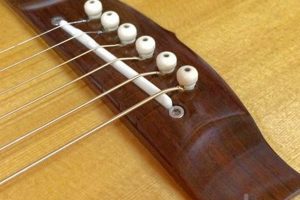
The bridge is another critical hardware component that contributes to the sound and playability of a vintage Gibson acoustic guitar. The bridge transfers the vibrations of the strings to the guitar’s body, influencing the guitar’s tone and sustain. Vintage Gibson guitars often feature bridges made from rosewood or ebony, which are known for their excellent tonal properties and durability.
Other hardware components, such as the nut and saddle, also play a role in the guitar’s sound and playability. The nut, located at the headstock, determines the string spacing and height, affecting the guitar’s intonation and playability. The saddle, located on the bridge, adjusts the string intonation and height, further contributing to the guitar’s overall sound and feel.
Understanding the importance of hardware in vintage Gibson acoustic guitars is essential for collectors, musicians, and enthusiasts alike. The quality and design of the hardware can significantly impact the guitar’s sound, playability, and overall value. By appreciating the intricate details of these vintage instruments, we can better understand and appreciate the craftsmanship and legacy that make them so highly sought after.
Table: Key Hardware Components of Vintage Gibson Acoustic Guitars
| Component | Function | Impact on Sound and Playability |
|---|---|---|
| Tuners | Maintain intonation and tuning stability | Ensures accurate and effortless tuning, enhances sustain |
| Bridge | Transfers vibrations from strings to the guitar’s body | Influences tone, sustain, and playability |
| Nut | Determines string spacing and height | Affects intonation and playability |
| Saddle | Adjusts string intonation and height | Contributes to the guitar’s overall sound and feel |
7. Finish

The finish of a guitar is the final layer applied to the instrument’s body and neck. It serves two primary purposes: enhancing the guitar’s appearance and protecting it from wear and tear. In the context of vintage Gibson acoustic guitars, the finish plays a significant role in determining the guitar’s overall value and desirability.
- Types of Finishes: Vintage Gibson acoustic guitars feature various types of finishes, including nitrocellulose lacquer, shellac, and varnish. Each finish imparts a unique look and feel to the guitar. Nitrocellulose lacquer, commonly used in pre-war Gibson guitars, is known for its thin, resonant finish that allows the natural beauty of the wood to shine through. Shellac, another traditional finish, produces a warm, amber hue that ages gracefully over time. Varnish, a more durable finish, offers excellent protection against scratches and dings.
- Impact on Appearance: The finish significantly influences the guitar’s visual appeal. A well-preserved original finish adds to the guitar’s vintage character and collectibility. Collectors and enthusiasts often seek out guitars with unblemished finishes that showcase the instrument’s original beauty.
- Durability and Protection: The finish provides a protective layer that shields the guitar from moisture, temperature changes, and physical damage. A durable finish can extend the guitar’s lifespan and maintain its structural integrity. Vintage Gibson acoustic guitars with original finishes in excellent condition are highly sought after, as they have withstood the test of time.
- Refinishing: Refinishing a vintage Gibson acoustic guitar is a controversial topic. While some argue that it diminishes the guitar’s value and historical significance, others believe it can restore the instrument’s beauty and playability. Refinishing should only be considered by experienced luthiers who understand the potential impact on the guitar’s value
and authenticity.
In conclusion, the finish of a vintage Gibson acoustic guitar is an integral part of its identity, value, and desirability. Understanding the different types of finishes, their impact on appearance and durability, and the implications of refinishing is essential for collectors, musicians, and enthusiasts alike.
8. Value

The value of a vintage Gibson acoustic guitar is determined by a complex interplay of factors, including its age, condition, rarity, and provenance. Some of the most valuable vintage Gibson acoustic guitars are those that were made before World War II, as these instruments are highly sought after by collectors. Other factors that can affect the value of a vintage Gibson acoustic guitar include the type of wood used, the quality of the craftsmanship, and the presence of any original accessories or documentation.
The value of a vintage Gibson acoustic guitar can also be affected by its condition. Guitars that are in excellent condition, with no major repairs or modifications, are typically worth more than guitars that have been heavily used or damaged. The presence of original parts and accessories can also add to the value of a vintage Gibson acoustic guitar.
The rarity of a vintage Gibson acoustic guitar can also affect its value. Some models, such as the J-45, were produced in large numbers, while others, such as the L-5, were produced in much smaller quantities. Guitars that are rare or one-of-a-kind are typically worth more than guitars that are more common.
The provenance of a vintage Gibson acoustic guitar can also affect its value. Guitars that have been owned by famous musicians or that have been used in historic recordings are typically worth more than guitars that have not. The presence of documentation, such as original sales receipts or gig posters, can also add to the value of a vintage Gibson acoustic guitar.
Understanding the factors that affect the value of vintage Gibson acoustic guitars is important for collectors, musicians, and anyone else who is interested in these instruments. By carefully considering these factors, you can make informed decisions about which guitars to buy, sell, or trade.
Table: Factors Affecting the Value of Vintage Gibson Acoustic Guitars
| Factor | Impact on Value |
|---|---|
| Age | Older guitars are typically worth more than newer guitars. |
| Condition | Guitars in excellent condition are worth more than guitars that have been heavily used or damaged. |
| Rarity | Rare guitars are worth more than common guitars. |
| Provenance | Guitars that have been owned by famous musicians or that have been used in historic recordings are worth more than guitars that have not. |
9. Investment
Vintage Gibson acoustic guitars are not just beautiful and collectible musical instruments; they can also be a sound investment. Over time, these guitars have consistently appreciated in value, making them a desirable asset for collectors and investors alike. Here are a few key reasons why:
- Rarity: Vintage Gibson acoustic guitars, especially those made before World War II, are becoming increasingly rare. As the supply of these guitars dwindles, their value continues to rise.
- Historical Significance: Many vintage Gibson acoustic guitars were used by legendary musicians, such as Bob Dylan, Eric Clapton, and Jimmy Page. This provenance adds to their value and desirability among collectors.
- Investment Potential: Vintage Gibson acoustic guitars have a proven track record of appreciating in value. In recent years, the value of these guitars has outpaced the stock market and other traditional investments.
It’s important to note that not all vintage Gibson acoustic guitars are created equal. Some models and years are more valuable than others. If you’re considering investing in a vintage Gibson acoustic guitar, it’s important to do your research and consult with an expert to ensure that you’re making a sound investment.
10. Collectibility

Vintage Gibson acoustic guitars have a strong appeal among collectors due to their historical significance, craftsmanship, and scarcity. Several factors contribute to their collectibility.
- Historical Significance: Gibson acoustic guitars have been used by countless legendary musicians throughout history, including Bob Dylan, Eric Clapton, and Jimmy Page. These guitars are not just musical instruments; they are pieces of musical history.
- Craftsmanship: Vintage Gibson acoustic guitars are renowned for their exceptional craftsmanship. The guitars are made from high-quality materials and feature intricate details that reflect the skill of the luthiers who built them.
- Scarcity: Many vintage Gibson acoustic guitars, especially those made before World War II, are becoming increasingly rare. As the supply of these guitars dwindles, their value and collectibility continue to rise.
- Investment Potential: Vintage Gibson acoustic guitars have a proven track record of appreciating in value. In recent years, the value of these guitars has outpaced the stock market and other traditional investments, making them a desirable asset for collectors and investors alike.
The combination of these factors makes vintage Gibson acoustic guitars highly collectible. Some models, such as the J-45 and the L-00, are particularly sought-after by collectors and can command high prices.
11. History

The history of Gibson acoustic guitars is inextricably linked to the development of the instrument itself. Orville Gibson, a luthier from Kalamazoo, Michigan, founded the Gibson Mandolin-Guitar Mfg. Co. Ltd. in 1894. Gibson initially focused on making mandolins, but he soon began to experiment with acoustic guitars as well.
Gibson’s early acoustic guitars were heavily influenced by the Martin guitars of the time. However, Gibson soon developed his own unique designs, which featured a larger body and a more powerful sound. These guitars quickly gained popularity among bluegrass and country musicians, and they eventually became the standard for acoustic guitars.
Gibson acoustic guitars have been used by some of the most famous musicians in history, including Bob Dylan, Eric Clapton, and Jimmy Page. These guitars have been featured on countless recordings and have helped to shape the sound of popular music.
12. The Importance of History to Vintage Gibson Acoustic Guitars
The history of Gibson acoustic guitars is an important factor in their value and desirability. Vintage Gibson acoustic guitars are highly sought-after by collectors and musicians alike, and they can command high prices. This is because these guitars are not only beautiful and well-made, but they also have a rich history and provenance.
When you own a vintage Gibson acoustic guitar, you are not only owning a musical instrument, but you are also owning a piece of history. These guitars have been played by some of the most famous musicians in the world, and they have been used to create some of the most iconic music ever recorded.
13. Conclusion

The history of Gibson acoustic guitars is a long and storied one. These guitars have been used by some of the most famous musicians in history, and they have helped to shape the sound of popular music. Vintage Gibson acoustic guitars are highly sought-after by collectors and musicians alike, and they can command high prices. This is because these guitars are not only beautiful and well-made, but they also have a rich history and provenance.
Table: The Impact of History on Vintage Gibson Acoustic Guitars
| Historical Significance | Impact on Value and Desirability |
|---|---|
| Used by famous musicians | Increased value and desirability |
| Featured on iconic recordings | Increased value and desirability |
| Represents a piece of musical history | Increased value and desirability |
14. Legacy
The legacy of Gibson acoustic guitars is deeply intertwined with the history of popular music. For over a century, these guitars have been the instruments of choice for countless legendary musicians, shaping the sound of genres from blues and folk to rock and country. The association with these iconic figures has not only elevated the status of Gibson acoustic guitars but also contributed to their enduring popularity and collectibility.
- Historical Significance: The use of Gibson acoustic guitars by renowned musicians has imbued them with historical significance. These guitars have witnessed and been part of pivotal moments in music history, becoming symbols of the eras and genres they helped define.
- Cultural Impact: The association with famous musicians has propelled Gibson acoustic guitars into the realm of cultural icons. They have graced countless album covers, been featured in films and television shows, and become instantly recognizable symbols of musical excellence.
- Increased Value and Desirability: The legacy of Gibson acoustic guitars has a direct impact on their value and desirability. Guitars that have been owned or played by famous musicians often fetch higher prices at auctions and among collectors.
- Inspiration for Future Generations: The legacy of Gibson acoustic guitars serves as an inspiration for aspiring musicians. Seeing their heroes play these instruments can ignite a passion for music and encourage them to pursue their own musical journeys.
The legacy of Gibson acoustic guitars is a testament to their enduring quality, craftsmanship, and sound. By being the instruments of choice for generations of legendary musicians, these guitars have become synonymous with musical excellence and continue to inspire and captivate audiences worldwide.
FAQs on Gibson Acoustic Guitar Vintage
For those interested in exploring the world of vintage Gibson acoustic guitars, here are some frequently asked questions and their informative answers:
Question 1: What factors determine the value of a vintage Gibson acoustic guitar?
Several factors influence the value, including age, condition, rarity, and provenance. Pre-World War II guitars, those in excellent condition with minimal repairs, rare models, and guitars owned or used by famous musicians tend to command higher prices.
Question 2: How can I identify the age of a vintage Gibson acoustic guitar?
Gibson guitars typically have a serial number stamped inside the body. Using the serial number, you can consult references or online databases to determine the year of manufacture.
Question 3: What are the key differences between pre-war and post-war Gibson acoustic guitars?
Pre-war models, crafted before 1942, are known for their distinctive sound due to factors like scalloped bracing and different materials used. Post-war guitars, produced after 1943, often feature X-bracing and exhibit a brighter, more articulate sound.
Question 4: How should I care for a vintage Gibson acoustic guitar?
Proper care is essential to maintain the guitar’s condition and value. Store it in a climate-controlled environment with moderate temperature and humidity. Regular cleaning with a soft cloth and occasional professional maintenance can help preserve its beauty and playability.
Question 5: What are some of the most sought-after vintage Gibson acoustic guitar models?
The J-45, L-00, and Hummingbird are highly coveted models among collectors and musicians. These guitars offer a combination of exceptional sound quality, craftsmanship, and historical significance.
Question 6: Where can I find reputable dealers or experts to assist with the purchase or evaluation of a vintage Gibson acoustic guitar?
Consulting with reputable dealers specializing in vintage guitars can provide valuable insights and help ensure an informed purchase. Additionally, seeking the opinion of experienced luthiers or appraisers can assist in assessing the authenticity and condition of the instrument.
Exploring the realm of vintage Gibson acoustic guitars requires careful consideration of various factors. By understanding these aspects and seeking guidance from experts when necessary, enthusiasts can make informed decisions and appreciate the rich history and exceptional craftsmanship behind these timeless instruments.
Transition to the Next Section: Delving into the Enchanting World of Vintage Gibson Acoustic Guitars
Tips for Exploring Vintage Gibson Acoustic Guitars
Venturing into the world of vintage Gibson acoustic guitars requires a discerning eye, a meticulous approach, and a deep appreciation for these timeless instruments. To guide your journey, here are a few valuable tips to consider:
Tip 1: Educate Yourself
Immerse yourself in the history, models, and characteristics of vintage Gibson acoustic guitars. Read books, consult online resources, and visit guitar museums to expand your knowledge. This foundation will empower you to make informed decisions and appreciate the nuances of these exceptional instruments.
Tip 2: Determine Your Needs
Before embarking on your search, clearly define your requirements. Consider factors such as the desired tone, playability, and budget. Understanding your needs will help you narrow down your options and focus on guitars that align with your musical aspirations.
Tip 3: Inspect Carefully
When examining a vintage Gibson acoustic guitar, meticulously inspect its condition. Check for cracks, repairs, or any
signs of damage. Evaluate the neck, frets, and bridge for any issues. Don’t hesitate to seek the guidance of an experienced luthier or guitar technician for a professional assessment.
Tip 4: Consider Provenance
The history and ownership of a vintage Gibson acoustic guitar can significantly impact its value and desirability. If possible, research the guitar’s provenance, including previous owners, performance history, or any notable events associated with it. Documentation or photographs can add credibility to the guitar’s story.
Tip 5: Seek Expert Advice
Consulting with reputable vintage guitar dealers, collectors, or luthiers can provide invaluable insights and guidance. Their expertise can assist you in identifying authentic instruments, assessing condition, and determining fair market value. Don’t be afraid to seek professional opinions to inform your decision-making.
Tip 6: Play and Compare
The true essence of a vintage Gibson acoustic guitar lies in its sound and playability. Whenever possible, try playing different models and compare their tonal qualities. Note the responsiveness, projection, and overall feel of each guitar. This hands-on experience will help you discover the instrument that resonates with your musical style and preferences.
Tip 7: Be Patient and Persistent
Finding the perfect vintage Gibson acoustic guitar takes time and dedication. Don’t get discouraged if you don’t find your dream guitar immediately. Attend guitar shows, visit vintage instrument shops, and network with other collectors and enthusiasts. Persistence and patience will increase your chances of discovering a truly exceptional instrument.
Tip 8: Protect Your Investment
Once you have acquired your vintage Gibson acoustic guitar, take steps to preserve its condition and value. Store it in a climate-controlled environment, use a humidifier to maintain proper humidity levels, and handle it with care. Regular maintenance and occasional professional setups will ensure that your guitar remains in pristine condition for years to come.
Remember, exploring vintage Gibson acoustic guitars is a journey of discovery and appreciation. Embrace the process, learn from experts, and trust your instincts. By following these tips, you will increase your chances of finding a remarkable instrument that will inspire your music and become a cherished part of your collection.
Transition to the Conclusion: The allure of vintage Gibson acoustic guitars lies in their exceptional craftsmanship, timeless designs, and rich musical heritage. As you embark on your journey to find the perfect instrument, keep these valuable tips in mind. They will guide you towards an unforgettable experience and a guitar that will captivate your heart and soul.
Conclusion
Gibson acoustic guitars, particularly those of vintage make, embody the pinnacle of craftsmanship, musicality, and enduring value. Throughout our exploration, we have delved into the captivating world of these instruments, uncovering their rich history, exceptional qualities, and the factors that contribute to their desirability.
Whether you are a seasoned collector, an aspiring musician, or simply an admirer of fine craftsmanship, vintage Gibson acoustic guitars offer an unparalleled musical experience. Their distinctive sound, meticulous construction, and historical significance make them treasured possessions, capable of inspiring generations of players and music lovers.
As you continue your journey into the realm of vintage Gibson acoustic guitars, remember the importance of careful research, informed decision-making, and the guidance of experts. With patience and dedication, you will undoubtedly discover an instrument that resonates with your musical soul and becomes a cherished companion for years to come.
The allure of vintage Gibson acoustic guitars lies not only in their material value but also in their intangible qualities. They are living pieces of musical history, carrying the stories and emotions of countless musicians who have played them before. When you own a vintage Gibson acoustic guitar, you become a custodian of its legacy, ensuring that its exceptional sound and spirit continue to inspire and captivate for generations to come.
Youtube Video: