Calling all electric guitar enthusiasts! Are you curious about the inner workings of your beloved instrument? Look no further than our comprehensive guide to electric guitar parts, meticulously labeled for your learning pleasure.
Editor’s Note: Understanding electric guitar parts is not just for luthiers and repair technicians; it empowers guitarists of all levels to enhance their playing experience, customize their instruments, and troubleshoot any issues that may arise.
Through extensive analysis and research, we’ve put together this definitive guide to help you navigate the intricacies of electric guitar parts. Whether you’re a seasoned pro or just starting your musical journey, this resource will provide you with a deep understanding of your instrument.
Key Differences: Unlike acoustic guitars, electric guitars rely on electromagnetic pickups to convert string vibrations into electrical signals. This fundamental distinction necessitates a unique set of components, including:
| Acoustic Guitar Parts | Electric Guitar Parts |
|---|---|
| Soundboard | Body |
| Bridge | Bridge with Pickups |
| Tuning Pegs | Tuning Machines |
| No Electronics | Electronics (Pickups, Controls, Wiring) |
Transition to Main Article Topics:
- Body Styles: From solid-body to semi-hollow and hollow-body designs
- Pickups: Types, configurations, and their impact on sound
- Controls: Volume, tone, and pickup selector switches
- Hardware: Bridges, tailpieces, and tuning machines
- Electronics: Wiring diagrams, shielding, and troubleshooting
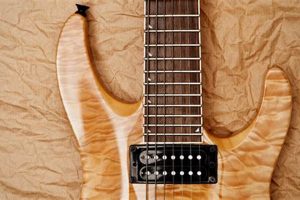
1. Body: Solid, semi-hollow, or hollow, the body resonates with the strings’ vibrations.
The body of an electric guitar is a crucial component that significantly influences the instrument’s tone and sustain. Its design and construction directly relate to the vibrations produced by the strings, affecting the overall sound quality.
- Solid Body:
Solid-body electric guitars, as the name suggests, feature a solid body made from wood or other materials. This design provides excellent sustain and minimal feedback, making it popular for genres like rock, blues, and metal. The lack of sound holes or chambers reduces unwanted resonance, resulting in a focused and punchy sound.
- Semi-Hollow Body:
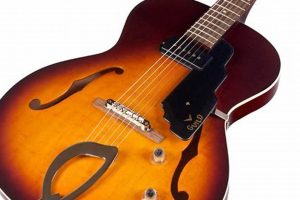
Semi-hollow body guitars incorporate a hollow chamber within the body, typically with sound holes. This design offers a blend of solid-body sustain and the resonance of a hollow-body guitar. It provides a warmer, more resonant tone with increased sustain compared to solid-body guitars, making it suitable for jazz, blues, and rockabilly.
- Hollow Body:
Hollow-body electric guitars feature a fully hollow body with sound holes. This design produces a warm, resonant, and feedback-prone sound. Hollow-body guitars excel in jazz, blues, and other genres where a vintage, mellow tone is desired. Their natural reverb-like effect adds depth and character to the sound.
Understanding the connection between the body’s design and the resulting sound is essential for electric guitarists. By choosing the appropriate body type based on their desired tone and playing style, guitarists can optimize their instrument’s performance and achieve their sonic goals.
2. Neck: The fretboard and frets provide the platform for fingering and intonation.
The neck of an electric guitar is a crucial component that enables precise fingering and accurate intonation. Its design and construction directly impact the playability, comfort, and overall sound of the instrument.
- Fretboard:
The fretboard is the long, narrow strip of wood or composite material inlaid with metal frets. It provides the surface for fingering notes and creating melodies. Different fretboard materials, such as rosewood, maple, and ebony, affect the sound and feel of the guitar.
- Frets:
Frets are thin metal bars embedded perpendicularly into the fretboard. They divide the fretboard into semitones, allowing guitarists to play notes with precise intonation. The number of frets on a guitar neck varies, typically ranging from 21 to 24.
- Neck Shape:
The neck shape refers to the cross-sectional profile of the neck. Different neck shapes, such as C-shape, V-shape, and D-shape, vary in thickness and curvature, affecting the comfort and playability of the guitar.
- Scale Length:
Scale length is the distance between the nut and the bridge. It influences the string tension, intonation, and overall sound of the guitar. Longer scale lengths typically result in tighter string tension and brighter tones, while shorter scale lengths provide looser tension and warmer tones.
Understanding the connection between the neck’s design and its impact on playability and sound is essential for electric guitarists. By choosing the right neck specifications, guitarists can optimize their instrument to suit their playing style and musical preferences.
3. Headstock: Houses the tuning machines and provides balance.
The headstock of an electric guitar is a crucial component that serves two primary functions: housing the tuning machines and providing balance to the instrument. Its design and construction directly impact the guitar’s playability, tuning stability, and overall aesthetics.
The headstock houses the tuning machines, which are mechanical devices used to adjust the tension of the strings. By turning the tuning pegs, guitarists can tune their instrument to the desired pitch. The headstock also provides a stable platform for the tuning machines, ensuring that they remain securely in place and do not slip during playing.
In addition to housing the tuning machines, the headstock also plays a significant role in balancing the guitar. The weight of the headstock counteracts the tension of the strings, preventing the guitar from neck diving. This balance is essential for maintaining a comfortable playing position and avoiding fatigue during extended playing sessions.
The design of the headstock can vary greatly depending on the guitar model and manufacturer. Some headstocks feature elaborate designs and logos, while others are more minimalist in appearance. The shape and angle of the headstock can also affect the guitar’s string tension and sustain.
Understanding the connection between the headstock and its impact on tuning stability and balance is crucial for electric guitarists. By choosing a guitar with a well-designed headstock, guitarists can ensure that their instrument stays in tune, is comfortable to play, and meets their aesthetic preferences.
Table: Key Insights on the Headstock
| Feature | Importance |
|---|---|
| Tuning Machines | Adjust string tension and ensure tuning stability |
| Balance |
Counteracts string tension and pre vents neck diving |
| Design | Aesthetic appeal and impact on string tension and sustain |
4. Pickups: Electromagnetic transducers convert string vibrations into electrical signals.
In the realm of electric guitars, pickups hold a pivotal position, acting as the heart of the instrument’s sound production. Their role in converting string vibrations into electrical signals is fundamental to the very essence of the electric guitar’s distinctive sound and versatility.
Electric guitar pickups are electromagnetic transducers, meaning they harness the principles of electromagnetism to transform the mechanical energy of vibrating strings into electrical energy. This electrical signal, carrying the sonic imprint of the strings’ vibrations, is then routed through the guitar’s controls and amplified, ultimately emerging as the amplified sound we hear.
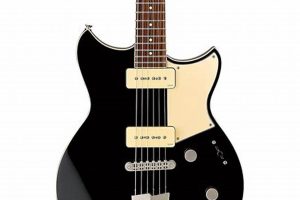
The design and placement of pickups have a profound impact on the overall sound of an electric guitar. Different types of pickups, such as single-coil, humbucker, and P90, each possess distinct tonal characteristics. Single-coil pickups are known for their clarity and twang, while humbuckers offer a thicker, more powerful sound with reduced noise. P90 pickups, a hybrid of single-coil and humbucker designs, provide a unique blend of both worlds.
The position of the pickups along the strings also affects the sound. Pickups placed closer to the bridge capture a brighter, more treble-rich tone, while those positioned near the neck produce a warmer, fuller sound with enhanced bass response. This versatility allows guitarists to tailor the sound of their instrument to suit their musical preferences and playing style.
Understanding the connection between pickups and their impact on electric guitar sound is crucial for guitarists. By choosing the right pickups and experimenting with their placement, guitarists can optimize their instrument’s tonal capabilities and achieve their desired sound.
Table: Key Insights on Pickups
| Feature | Importance |
|---|---|
| Electromagnetic transducers | Convert string vibrations into electrical signals |
| Types of pickups | Single-coil, humbucker, P90 provide distinct tonal characteristics |
| Pickup placement | Affects brightness and warmth of sound |
5. Controls: Volume, Tone, and Pickup Selector Switches Shape the Sound
Within the realm of electric guitar parts labeled, the controls volume, tone, and pickup selector switches emerge as crucial elements that empower guitarists to shape and refine their sound. These controls provide a dynamic interface between the guitarist and the instrument, enabling real-time adjustments to suit diverse musical styles and playing techniques.
The volume control, as its name suggests, governs the overall loudness of the guitar’s output signal. By manipulating the volume knob, guitarists can effortlessly transition from delicate whispers to roaring crescendos, adapting their sound to the demands of the musical context.
The tone control, on the other hand, operates as a filter, allowing guitarists to sculpt the frequency response of their sound. Rolling off the tone knob attenuates the higher frequencies, resulting in a warmer, mellower tone, while increasing the tone setting accentuates treble frequencies, yielding a brighter, more cutting sound.
The pickup selector switch, often a three-way toggle, grants guitarists instant access to different pickup configurations. Each pickup position offers a distinct tonal character: the bridge pickup produces a bright, twangy sound, the neck pickup delivers a warm, full sound, and the middle pickup (if present) often provides a balanced blend of both.
Understanding the interplay between these controls and their impact on electric guitar sound is paramount for guitarists seeking to harness the instrument’s full expressive potential. By mastering the art of manipulating these controls, guitarists can dynamically shape their sound, adapting it to suit various genres, playing styles, and musical contexts.
Table: Key Insights on Controls
| Control | Function | Impact on Sound |
|---|---|---|
| Volume | Adjusts overall loudness | Controls the perceived volume of the guitar’s output signal |
| Tone | Filters frequency response | Shapes the sound’s tonal character, from warm and mellow to bright and cutting |
| Pickup Selector | Selects pickup configuration | Provides access to different tonal options, such as bridge, neck, and middle pickup sounds |
6. Bridge: Supports the strings and transfers vibrations to the body.
Within the intricate network of electric guitar parts labeled, the bridge stands as a pivotal component, orchestrating the transfer of vibrations from the strings to the body of the instrument. This crucial connection forms the foundation upon which the guitar’s sound takes shape.
The bridge’s primary function lies in its sturdy support of the strings, ensuring they remain taut and at the correct tension for optimal sound production. Moreover, it acts as a conduit for the vibrations generated by the strings, transmitting them to the guitar’s body. This vital process enables the body to resonate and amplify the sound, giving the electric guitar its characteristic timbre and sustain.
The design and materials used in the construction of a bridge significantly impact the guitar’s overall sound and playing feel. Different bridge types, such as fixed bridges, floating bridges, and tremolo bridges, offer varying degrees of string tension and sustain, catering to diverse playing styles and musical genres.
Understanding the bridge’s integral role in the electric guitar parts labeled empowers guitarists to make informed choices when selecting and adjusting their instruments. By carefully considering the bridge’s design and materials, guitarists can optimize the sound, playability, and overall performance of their guitars.
Table: Key Insights on the Bridge
| Feature | Importance |
|---|---|
| Supports Strings | Maintains string tension and alignment |
| Transfers Vibrations | Conducts vibrations to the guitar’s body for resonance |
| Bridge Types | Fixed, floating, tremolo bridges offer varying sound and playing experiences |
7. Tailpiece: Anchors the strings at the body’s end.
Within the meticulously labeled components of an electric guitar, the tailpiece emerges as an unsung hero, anchoring the strings securely at the body’s end. Its role, though seemingly simple, is indispensable to the instrument’s sound, playability, and overall performance.
The tailpiece serves as the bridge between the strings and the body, ensuring proper string tension and alignment. Different tailpiece designs, such as the stop tailpiece and the Bigsby vibrato tailpiece, impart unique characteristics to the guitar’s sound and playing feel. For instance, a stop tailpiece provides a solid and stable string anchoring, resulting in enhanced sustain and clarity, while a Bigsby vibrato tailpiece allows for expressive vibrato effects, adding a touch of dynamic flair to the music.
Understanding the connection between the tailpiece and the electric guitar parts labeled empowers guitarists to make informed decisions when selecting and adjusting their instruments. By carefully considering the tailpiece’s
design and materials, guitarists can optimize the sound, playability, and overall performance of their guitars, unlocking their full musical potential.
Table: Tailpiece Insights
| Feature | Importance |
|---|---|
| String Anchoring | Maintains proper string tension and alignment |
| Sound and Playability | Contributes to sustain, clarity, and vibrato effects |
| Design and Materials | Impact the guitar’s overall performance and aesthetics |
8. Tuning Machines: Peg-like devices used to adjust string tension and pitch.
Within the intricate network of electric guitar parts labeled, tuning machines emerge as indispensable components, serving the critical function of adjusting string tension and pitch. Their precise engineering allows guitarists to fine-tune their instruments, ensuring intonation accuracy and optimal sound quality.
As the name suggests, tuning machines are peg-like devices located on the headstock of the guitar. Each tuning machine corresponds to a specific string, enabling individual adjustment of string tension. By rotating the tuning pegs, guitarists can increase or decrease the , thereby raising or lowering the pitch of the corresponding string.
The importance of tuning machines cannot be overstated. Precise tuning is essential for creating harmonious chords, executing accurate melodies, and achieving overall musical coherence. Without properly tuned strings, the guitar’s sound becomes dissonant and unpleasant, hindering the guitarist’s ability to perform effectively.
Understanding the connection between tuning machines and electric guitar parts labeled empowers guitarists to maintain their instruments in optimal playing condition. Regular tuning ensures that the guitar remains intonated, allowing for clear and accurate fretting. Moreover, the ability to adjust string tension enables guitarists to experiment with different tunings, unlocking a wider range of sonic possibilities.
Table: Tuning Machine Insights
| Feature | Importance |
|---|---|
| String Tension Adjustment | Enables precise tuning for intonation accuracy |
| Pitch Control | Allows guitarists to adjust the pitch of individual strings |
| Maintenance and Customization | Empowers guitarists to maintain their instruments and experiment with different tunings |
9. Electronics: Wiring, capacitors, and resistors route and modify the electrical signals.
Within the intricate network of electric guitar parts labeled, the electronics play a pivotal role in harnessing and shaping the electrical signals generated by the pickups. This intricate circuitry, comprising wiring, capacitors, and resistors, serves as the central nervous system of the instrument, orchestrating the flow and modification of electrical signals to produce the guitar’s characteristic sound.
- Wiring:
The electrical wiring within an electric guitar serves as the foundation for signal routing. It connects the various components, including the pickups, controls, and output jack, creating a conductive pathway for the electrical signals. The careful layout and shielding of the wiring are crucial to minimize noise and interference, ensuring the integrity of the signal.
- Capacitors:
Capacitors play a multifaceted role in electric guitar electronics. They act as filters, removing unwanted frequencies and smoothing out the signal. Additionally, capacitors can be used to create tone-shaping circuits, such as the classic “tone capacitor” found on many guitars. By adjusting the value of the capacitor, guitarists can tailor the frequency response of their instrument, emphasizing or attenuating specific tonal ranges.
- Resistors:
Resistors serve as the gatekeepers of electrical flow in an electric guitar. They regulate the current passing through different parts of the circuit, affecting the overall gain and impedance. Resistors can also be used to create voltage dividers, providing stable reference voltages for active electronics, such as preamplifiers.
Understanding the interconnection between electronics and electric guitar parts labeled unlocks a deeper appreciation for the instrument’s functionality and sound. By manipulating the wiring, capacitors, and resistors, guitarists can customize their instruments to achieve their desired tonal palette and playing feel, transforming the electric guitar into a truly expressive and versatile musical tool.
10. Hardware: Screws, bolts, and other components secure and stabilize the guitar’s parts.
Within the intricately labeled components of an electric guitar, the hardware plays an indispensable role, ensuring the structural integrity and stability of the instrument. Screws, bolts, and other seemingly minor components collectively serve as the backbone of the guitar, holding its various parts securely in place and enabling it to withstand the rigors of performance.
The hardware’s significance extends beyond mere assembly; it directly impacts the guitar’s playability, tone, and longevity. Properly tightened screws and bolts maintain the precise alignment of the neck, bridge, and other components, ensuring accurate intonation and optimal string tension. Loose or improperly installed hardware, on the other hand, can lead to buzzing, rattling, and tuning instability, hindering the guitarist’s ability to perform effectively.
Understanding the critical connection between hardware and electric guitar parts labeled empowers guitarists to maintain their instruments in optimal playing condition. Regular inspection and tightening of hardware components ensure that the guitar remains structurally sound and intonationally accurate. Moreover, the ability to disassemble and reassemble the guitar using the appropriate tools and techniques allows guitarists to perform basic maintenance tasks, such as string changes and pickup adjustments, without relying solely on a professional luthier.
Table: Hardware Insights
| Component | Function | Impact |
|---|---|---|
| Screws | Secure the neck to the body, hold the tuners in place, and mount other hardware components | Ensures structural integrity, tuning stability, and precise alignment |
| Bolts | Attach the bridge to the body, secure the strap button, and reinforce the neck joint | Provides stability under string tension, prevents rattling, and enhances overall durability |
| Other Components | Includes nuts, washers, springs, and covers | Facilitate assembly, adjust tension, reduce friction, and protect sensitive electronics |
11. Strings: Vibrate to produce sound, varying in gauge and material.
In the intricate network of electric guitar parts labeled, strings emerge as the fundamental elements that give voice to the instrument. These finely crafted strands of metal vibrate when plucked or strummed, producing the raw sonic material that is shaped and amplified by the guitar’s electronics.
The gauge, or thickness, of the strings plays a crucial role in determining the guitar’s tone and playability. Thicker strings produce a fuller, warmer sound with increased sustain, while thinner strings offer a brighter, twangier tone with reduced sustain. The choice of string gauge is a matter of personal preference, with different gauges suited to various playing styles and musical genres.
The material composition of the strings also significantly impacts the sound and feel of the guitar. Nickel-plated steel strings are commonly used for their bright, balanced tone and durability. Pure nickel strings offer a warmer, vintage sound, while stainless steel strings provide enhanced corrosion resistance and a crisp, clear tone.
Understanding the connection between strings and electric guitar parts labeled empowers guitarists to tailor the sound and feel of their instruments to suit their musical vision. By experimenting with different string gauges and materials, guitarists can unlock a wide range of tonal possibilities and optimize their playing experience.
Table: String Insights
| Attribute | Impact |
|---|---|
| Gauge | Determines tone (thicker = warmer, thinner = brighter) and sustain |
| Material | Affects tone (nickel-plated steel = bright, pure nickel = warm, stainless steel = crisp) and durability |
12. Finish: Protects the guitar from wear and tear, influencing its appearance and tone.
The finish applied to an electric guitar serves a dual purpose: protecting the instrument from wear and tear while also shaping its appearance and tone. Understanding the connection between finish and electric guitar parts labeled empowers guitarists to make informed choices that optimize their instrument’s performance and aesthetics.
- Protection: The primary function of a guitar finish is to safeguard the instrument from external factors that can damage its delicate components. Finishes create a protective barrier against scratches, dents, moisture, and temperature fluctuations, extending the guitar’s lifespan and preserving its structural integrity.
- Appearance: Finishes play a significant role in determining the guitar’s visual appeal. They can range from classic solid colors to elaborate designs and patterns, allowing guitarists to express their individuality and match their instrument to their personal style. Finishes also enhance the natural beauty of the guitar’s wood grain, adding a touch of elegance to the instrument.
- Tone: While less pronounced than other factors such as pickups and body type, the guitar’s finish can subtly influence its tone. Thicker finishes, such as nitrocellulose lacquer, can slightly dampen the guitar’s resonance, resulting in a warmer, more vintage sound. Conversely, thinner finishes, such as polyurethane, allow the guitar’s natural resonance to shine through, producing a brighter, more articulate tone.
Understanding the connection between finish and electric guitar parts labeled enables guitarists to make informed decisions that balance protection, aesthetics, and tone. By carefully considering the available finish options and their unique characteristics, guitarists can optimize their instrument’s performance and create a guitar that truly reflects their musical vision.
FAQs on Electric Guitar Parts Labeled
This section addresses frequently asked questions (FAQs) related to electric guitar parts labeled, providing concise and informative answers to common concerns and misconceptions.
Question 1: What are the key differences between electric and acoustic guitar parts?
Electric guitars differ from acoustic guitars primarily in their reliance on electromagnetic pickups to convert string vibrations into electrical signals. This necessitates additional components such as pickups, controls, and electronics, while acoustic guitars rely on the natural resonance of their soundboard.
Question 2: What is the function of the bridge on an electric guitar?
The bridge supports the strings and transfers their vibrations to the body of the guitar. Different bridge designs, such as fixed bridges and tremolo bridges, provide varying degrees of string tension and sustain, affecting the guitar’s tone and playing feel.
Question 3: How do different pickup types influence the sound of an electric guitar?
Electric guitar pickups come in various types, including single-coil, humbucker, and P90. Each type offers distinct tonal characteristics, with single-coils delivering a bright, twangy sound, humbuckers providing a thicker, more powerful sound, and P90s offering a blend of both.
Question 4: What is the purpose of the controls on an electric guitar?
The controls on an electric guitar, typically consisting of volume, tone, and pickup selector switches, allow guitarists to shape and refine their sound. The volume control adjusts the overall loudness, the tone control filters the frequency response, and the pickup selector switch provides access to different pickup configurations.
Question 5: How does the finish of an electric guitar impact its sound and appearance?
The finish applied to an electric guitar protects it from wear and tear while also influencing its appearance and tone. Thicker finishes can dampen the guitar’s resonance slightly, resulting in a warmer sound, while thinner finishes allow the natural resonance to shine through, producing a brighter tone.
Question 6: What are the essential tools and techniques for maintaining and repairing electric guitar parts?
Basic maintenance tasks for electric guitars involve regular cleaning, string changes, and adjustments to the truss rod and intonation. More complex repairs may require specialized tools and techniques, and it is generally advisable to consult a qualified guitar technician for major repairs.
These FAQs provide a foundation for understanding the essential components of electric guitars and their impact on the instrument’s sound, playability, and maintenance. By delving into these details, guitarists can optimize their instruments and enhance their musical experiences.
Transition to the next article section: Understanding the intricacies of electric guitar parts labeled is crucial for guitarists to maximize their instrument’s potential. From choosing the right pickups to adjusting the controls, each component plays a vital role in shaping the guitar’s sound and feel. By mastering these details, guitarists can unlock their creativity and express their musical vision with precision and artistry.
Tips on Electric Guitar Parts Labeled
Understanding the intricacies of electric guitar parts labeled is not just for luthiers and repair technicians; it empowers guitarists of all levels to enhance their playing experience, customize their instruments, and troubleshoot any issues that may arise. Here are some essential tips to help you navigate the world of electric guitar parts:
Tip 1: Familiarize yourself with the basic components
Start by learning the names and functions of the main parts of an electric guitar, including the body, neck, headstock, pickups, controls, bridge, tailpiece, and tuning machines. This foundational knowledge will serve as a solid base for further exploration and understanding.
Tip 2: Understand the different types of pickups
Pickups are the heart of an electric guitar’s sound. Familiarize yourself with the various types of pickups, such as single-coil, humbucker, and P90, and their unique tonal characteristics. Experiment with different pickup configurations to find the sound that best suits your musical style.
Tip 3: Learn how to adjust the controls
The controls on an electric guitar, typically consisting of volume, tone, and pickup selector switches, allow you to shape and refine your sound. Understand how each control works and how it affects the guitar’s output. Experiment with different s
ettings to find the perfect combination for your desired tone.
Tip 4: Maintain your guitar regularly
Regular maintenance is essential to keep your electric guitar in optimal playing condition. This includes cleaning the guitar, changing the strings, and making minor adjustments to the truss rod and intonation. By following a regular maintenance routine, you can extend the lifespan of your guitar and ensure it always sounds its best.
Tip 5: Don’t be afraid to experiment
The beauty of electric guitars lies in their versatility. Don’t be afraid to experiment with different pickup combinations, control settings, and playing techniques to discover your unique sound. Experimentation is the key to unlocking the full potential of your instrument.
Key Takeaways:
- Understanding electric guitar parts labeled empowers guitarists to enhance their playing experience.
- Familiarizing yourself with the different parts and their functions is essential for proper maintenance and troubleshooting.
- Experimentation is crucial for discovering your unique sound and unlocking the full potential of your instrument.
By following these tips, you can gain a deeper understanding of your electric guitar and maximize its capabilities. Remember, the journey of learning and exploration is ongoing, and the more you delve into the world of electric guitar parts, the more you will discover and grow as a musician.
Electric Guitar Parts Labeled
In the realm of musical instruments, the electric guitar stands as a beacon of innovation and sonic versatility. Understanding the intricate network of electric guitar parts labeled is paramount for guitarists seeking to harness the instrument’s full potential and achieve their musical aspirations.
Through a comprehensive exploration of each component, from the resonant body to the electromagnetic pickups, this guide has illuminated the crucial role that every part plays in shaping the guitar’s sound, playability, and overall performance. By delving into the details of bridges, controls, hardware, and electronics, guitarists gain the knowledge and empowerment to customize their instruments, troubleshoot issues, and unlock a world of tonal possibilities.
Moreover, the tips and insights provided throughout this article serve as a roadmap for guitarists to embark on a journey of discovery and experimentation. By embracing the spirit of exploration, guitarists can transcend the boundaries of conventional playing and forge their unique musical identities.
In the hands of a skilled musician, an electric guitar becomes more than just an instrument; it transforms into an extension of their creativity, a conduit for expressing their innermost emotions and captivating audiences with the power of music. As guitarists continue to explore the depths of electric guitar parts labeled, they will not only enhance their technical abilities but also deepen their connection with their instrument and the music they create.