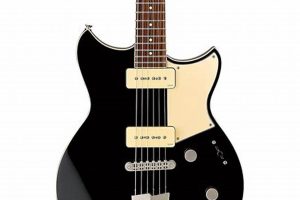
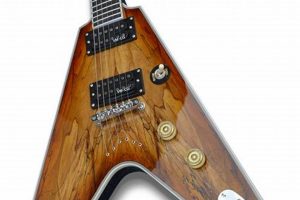
Electric guitar blanks play a crucial role in the manufacturing of electric guitars, providing the foundation for luthiers and guitar builders to create custom and unique instruments. These blanks serve as the raw material, meticulously crafted from various types of wood, and offer a blank canvas for shaping, carving, and personalizing the electric guitar’s body.
Editor’s Note:Understanding electric guitar blanks is essential for anyone interested in building or customizing their own electric guitar, as it provides insights into the foundation and materials used in these beloved instruments.
After analyzing different types of electric guitar blanks, we have curated this comprehensive guide to assist you in making informed decisions. This guide covers the key differences and benefits of various wood species commonly used for electric guitar bodies, empowering you to choose the perfect blank for your desired sound and aesthetics.
Key Differences and Benefits of Electric Guitar Blanks
| Wood Species | Tonal Characteristics | Weight | Durability | Appearance |
|---|---|---|---|---|
| Alder | Balanced, warm, and resonant | Medium | Moderate | Versatile, with a light grain pattern |
| Ash | Bright, clear, and articulate | Heavy | High | Striking grain patterns, often with prominent figuring |
| Mahogany | Warm, rich, and mellow | Heavy | High | Deep reddish-brown hue, often with a straight grain |
| Basswood | Neutral, allowing pickups to shape the tone | Light | Moderate | Plain and consistent grain pattern |
| Swamp Ash | Similar to Ash, but with a more resonant and balanced tone | Heavy | High | Varies from light to dark brown, often with a pronounced grain |
Conclusion
Choosing the right electric guitar blank is a fundamental step in crafting a unique and personalized instrument. By understanding the tonal characteristics, weight, durability, and appearance of different wood species, you can make an informed decision that aligns with your desired sound and aesthetics. Whether you’re an experienced luthier or a first-time builder, this guide provides valuable insights to empower you in creating a truly exceptional electric guitar.
1. Wood species

The type of wood used for the electric guitar blank plays a significant role in determining the guitar’s overall tone, weight, and appearance. Different wood species possess unique tonal characteristics, weight properties, and visual aesthetics, which can greatly influence the final outcome of the instrument.
- Tonal characteristics: Different wood species produce distinct tonal qualities. For example, alder is known for its balanced and resonant tone, while mahogany offers a warm and rich sound. The choice of wood will depend on the desired tonal characteristics for the guitar.
- Weight: The weight of the wood used for the blank will affect the overall weight of the guitar. Heavier woods, such as mahogany and ash, will result in a heavier guitar, while lighter woods, such as basswood, will produce a lighter instrument.
- Appearance: The grain pattern and color of the wood will significantly impact the guitar’s appearance. Woods with prominent figuring, such as ash and swamp ash, can create visually striking guitars, while woods with a more subtle grain pattern, such as alder, offer a more understated look.
Understanding the influence of wood species on tone, weight, and appearance is crucial for selecting the right electric guitar blank. By carefully considering these factors, guitar builders can create instruments that meet their specific performance and aesthetic requirements.
2. Grain pattern
The grain pattern of the wood used for an electric guitar blank plays a significant role in determining the guitar’s visual appeal. The unique patterns and textures created by the wood’s grain can add depth, character, and visual interest to the instrument.
- Figured woods: Figured woods, such as ash, maple, and mahogany, exhibit unique and visually striking grain patterns. These patterns can include swirls, flames, and other intricate designs, adding a distinct aesthetic quality to the guitar.
- Straight grain patterns: Woods with a straight grain pattern, such as alder and basswood, offer a more subtle and understated look. The straight lines and consistent grain can create a clean and modern aesthetic.
- Color variation: The natural color variation within the wood’s grain can also add visual interest to the guitar. Woods with a wide range of color variation, such as swamp ash and quilted maple, can create a dynamic and visually appealing appearance.
- Finishing techniques: The finishing techniques used on the guitar can further enhance the grain pattern. Applying a clear finish, such as lacquer or polyurethane, allows the natural beauty of the wood to shine through. Staining or painting the guitar can also alter the appearance of the grain, creating unique and custom designs.
By carefully selecting the wood species and grain pattern for the electric guitar blank, guitar builders can create instruments that are not only sonically pleasing but also visually stunning.
3. Weight
The weight of the electric guitar blank is a crucial factor that influences the overall weight of the finished guitar. The density and thickness of the wood used for the blank play a significant role in determining the guitar’s weight.
Heavier woods, such as mahogany and ash, result in heavier guitars. These woods are often preferred for their tonal qualities and durability, but they can make the guitar more challenging to play for extended periods, especially when standing. Lighter woods, such as basswood and alder, produce lighter guitars that are more comfortable to play for long durations. However, these woods may not provide the same tonal characteristics as heavier woods.
The thickness of the blank also affects the guitar’s weight. A thicker blank will result in a heavier guitar, while a thinner blank will produce a lighter instrument. The thickness of the blank is often determined by the desired tone and sustain
characteristics of the guitar.
Understanding the relationship between the blank’s weight and the overall weight of the guitar is essential for guitar builders and players. By carefully selecting the wood species and thickness of the blank, they can create guitars that meet their specific weight and performance requirements.
Table: Weight Of Different Electric Guitar Blank Woods
| Wood Species | Weight (lbs/cubic foot) |
|---|---|
| Alder | 28 |
| Ash | 38 |
| Basswood | 25 |
| Mahogany | 40 |
| Swamp Ash | 36 |
4. Durability

The durability of an electric guitar blank is a crucial factor that determines how well the guitar will withstand the rigors of playing and handling. Different wood species possess varying degrees of durability, which can significantly impact the guitar’s longevity and performance.
- Resistance to Dents and Scratches: Some woods, such as ash and maple, are known for their hardness and resistance to dents and scratches. This makes them ideal for guitars that are likely to be subjected to heavy playing or frequent transportation.
- Stability and Resistance to Warping: Stable woods, such as mahogany and alder, are less prone to warping and bending over time. This is important for guitars that will be exposed to changes in temperature and humidity.
- Strength and Resistance to Breaking: The strength of the wood used for the blank affects the guitar’s ability to withstand impacts and stress. Woods with high strength, such as ash and mahogany, are less likely to crack or break under pressure.
- Resistance to Rot and Decay: Woods with natural resistance to rot and decay, such as cedar and cypress, are ideal for guitars that may be exposed to moisture or humid environments.
By carefully selecting an electric guitar blank with the appropriate durability characteristics, guitar builders can create instruments that are not only sonically pleasing but also built to last.
5. Cost
The cost of an electric guitar blank is an important factor to consider when building a custom guitar. The price of the blank will vary depending on the wood species, the size and thickness of the blank, and the availability of the wood. More exotic or rare wood species will typically cost more than common woods. Larger and thicker blanks will also cost more than smaller and thinner blanks.
In addition to the cost of the wood, there are other factors that can affect the cost of an electric guitar blank. These factors include the cost of shipping, the cost of finishing the blank, and the cost of any additional materials that may be needed, such as glue and sandpaper.
Understanding the factors that affect the cost of an electric guitar blank is important for guitar builders who are on a budget. By carefully considering the type of wood, the size and thickness of the blank, and the availability of the wood, guitar builders can find a blank that meets their needs and budget.
The following table provides a general overview of the cost of different types of electric guitar blanks:
| Wood Species | Cost per Board Foot |
|---|---|
| Alder | $5-$10 |
| Ash | $10-$15 |
| Basswood | $5-$10 |
| Mahogany | $15-$20 |
| Swamp Ash | $12-$18 |
6. Availability
The availability of electric guitar blanks is directly tied to the availability of the wood species used to make them. Some wood species are more common and widely available, while others are rare and difficult to find. This can impact the price, quality, and lead time of electric guitar blanks.
- Common wood species: Common wood species, such as alder, ash, and basswood, are readily available and This makes them a good choice for builders who are looking for a blank that is affordable and easy to find.
- Rare wood species: Rare wood species, such as Brazilian rosewood and quilted maple, are more difficult to find and may be more expensive. This is because these woods are often harvested from old-growth forests or are only found in certain regions of the world.
- Sustainable wood species: Sustainable wood species are harvested from forests that are managed in a sustainable way. This means that the forests are replanted and protected, ensuring that there will be a supply of wood for future generations. Sustainable wood species are often more expensive than non-sustainable wood species, but they are a good choice for builders who are concerned about the environmental impact of their guitar.
In addition to the wood species, the availability of electric guitar blanks can also be affected by other factors, such as the size and thickness of the blank, the grade of the wood, and the demand for the blank. Builders who are looking for a specific type of blank may need to order it in advance or be prepared to pay a premium price.
7. Shape

The shape of the electric guitar blank is a critical factor that determines the overall shape of the finished guitar. The blank’s shape will dictate the guitar’s body shape, which can have a significant impact on the guitar’s tone, playability, and aesthetics.
There are many different body shapes for electric guitars, each with its own unique sound and feel. Some of the most popular body shapes include:
- Stratocaster: The Stratocaster is a classic body shape that is known for its versatility and comfort. It has a contoured body with a double cutaway, which allows for easy access to the higher frets. The Stratocaster is a popular choice for many different genres of music, from blues to rock to country.
- Telecaster: The Telecaster is another classic body shape that is known for its twangy sound and simple design. It has a solid body with a single cutaway, and it is often used for country and rock music.
- Les Paul: The Les Paul is a solid-body guitar that is known for its warm, rich tone. It has a carved top and a mahogany body, and it is often used for rock and blues music.
- SG: The SG is a solid-body guitar that is known for its lightweight and fast-playing neck. It has a slim body with a double cutaway, and it is often used for rock and metal music.
When choosing the shape of the electric guitar blank, it is important to consider the desired sound, playability, and aesthetics of the finished guitar. The shape of the blank will have a significant impact on the overall character of the guitar, so it is important to choose carefully.
| Body Shape | Tone | Playability | Aesthetics |
|---|---|---|---|
| Stratocaster | Versatile | Comfortable | Classic |
| Telecaster | Twangy | Simple | Classic |
| Les Paul | Warm, rich | Smooth | Elegant |
| SG | Bright, articulate | Fast | Modern |
8. Size
The size of the electric guitar blank is a crucial factor that determines the overall size of the finished guitar. The blank’s size will dictate the guitar’s body size, which can have a significant impact on the guitar’s tone, playability, and aesthetics.
Larger guitar bodies tend to produce a fuller, richer tone, while smaller guitar bodies tend to produce a brighter, more articulate tone. The size of the guitar body also affects the guitar’s resonance and sustain. Larger bodies will resonate more and sustain longer than smaller bodies.
The size of the guitar body also affects the guitar’s playability. Larger bodies can be more difficult to play for players with smaller hands, while smaller bodies can be more comfortable to play for players with larger hands. The size of the guitar body also affects the guitar’s weight. Larger bodies will be heavier than smaller bodies, which can be a factor for players who stand up to play.
When choosing the size of the electric guitar blank, it is important to consider the desired sound, playability, and aesthetics of the finished guitar. The size of the blank will have a significant impact on the overall character of the guitar, so it is important to choose carefully.
| Body Size | Tone | Playability | Aesthetics |
|---|---|---|---|
| Small | Bright, articulate | Comfortable for players with smaller hands | Lightweight |
| Medium | Balanced | Comfortable for players with average-sized hands | Versatile |
| Large | Full, rich | More difficult to play for players with smaller hands | Heavy |
9. Thickness
The thickness of the electric guitar blank is a crucial factor that determines the thickness of the guitar’s body. The thickness of the blank will affect the guitar’s tone, weight, and playability.
Thicker guitar bodies tend to produce a fuller, richer tone, while thinner guitar bodies tend to produce a brighter, more articulate tone. The thickness of the guitar body also affects the guitar’s resonance and sustain. Thicker bodies will resonate more and sustain longer than thinner bodies.
The thickness of the guitar body also affects the guitar’s weight. Thicker bodies will be heavier than thinner bodies, which can be a factor for players who stand up to play.
When choosing the thickness of the electric guitar blank, it is important to consider the desired sound, weight, and playability of the finished guitar. The thickness of the blank will have a significant impact on the overall character of the guitar, so it is important to choose carefully.
Here is a table summarizing the key differences between thick and thin electric guitar blanks:
| Thickness | Tone | Weight | Playability | Resonance and Sustain |
|---|---|---|---|---|
| Thick | Fuller, richer | Heavier | More difficult to play for players with smaller hands | More resonance and sustain |
| Thin | Brighter, more articulate | Lighter | More comfortable to play for players with smaller hands | Less resonance and sustain |
10. Source

The source of the electric guitar blank plays a crucial role in determining the quality and sustainability of the wood. The origin of the wood can have a significant impact on its tonal characteristics, durability, and environmental implications.
- Legality and Sustainability: The source of the wood should be verified to ensure that it has been harvested legally and sustainably. This involves checking for certifications from organizations such as the Forest Stewardship Council (FSC) or the Programme for the Endorsement of Forest Certification (PEFC). Sustainable forestry practices help preserve forests for future generations and protect biodiversity.
- Tonal Characteristics: The region where the wood is grown can influence its tonal properties. For example, ash from the northern United States tends to have a brighter and more resonant sound compared to ash from Central Europe. This is due to differences in climate, soil conditions, and the age of the trees.
- Durability and Stability: The source of the wood can also affect its durability and stability. Woods from certain regions may be more resistant to rot, decay, or warping due to the climate and environmental conditions in which they grew.
- Environmental Impact: The source of the wood should be considered in terms of its environmental impact. Some wood species may be endangered or protected, and it is important to avoid using woods that contribute to deforestation or habitat loss.
By carefully considering the source of the electric guitar blank, guitar builders can make informed choices that support sustainability, preserve the environment, and contribute to the ethical and responsible use of natural resources.
FAQs on Electric Guitar Blanks
Electric guitar blanks are a crucial component in the crafting of custom and unique electric guitars. Here are some frequently asked questions and their respective answers to provide further insights into this topic:
Question 1: What is an electric guitar blank?
An electric guitar blank is a piece of wood that has been cut and shaped to the general outline of an electric guitar body. It serves as the foundation for luthiers and guitar builders to create personalized and distinctive instruments.
Question 2: What are the important factors to consider when choosing an electric guitar blank?
When selecting an electric guitar blank, key factors to consider include wood species, grain pattern, weight, durability, cost, availability, shape, size, thickness, and source. Each aspect contributes to the guitar’s tonal characteristics, aesthetics, playability, and environmental impact.
Question 3: How does the wood species impact the guitar?
The wood species used for the blank significantly influences the guitar’s tone, weight, and appearance. Different wood species possess unique tonal qualities, weight properties, and visual aesthetics, which can greatly affect the final outcome of the instrument.
Question 4: What is the significance of the grain pattern?
The grain pattern of the wood adds visual interest and character to the guitar. Figured woods exhibit unique and visually striking grain patterns, while woods wi
th a straight grain pattern offer a more understated and classic look.
Question 5: How does the blank’s weight affect the guitar?
The weight of the blank contributes to the overall weight of the guitar. Heavier woods result in heavier guitars, while lighter woods produce lighter instruments. The weight of the guitar can impact its comfort and playability, especially when standing for extended periods.
Question 6: Why is the blank’s durability important?
The durability of the wood used for the blank affects the guitar’s ability to withstand wear and tear. Woods with high durability are less prone to dents, scratches, warping, and breaking, ensuring the guitar’s longevity and performance.
Understanding these frequently asked questions and their answers provides a deeper understanding of electric guitar blanks, empowering guitar builders and enthusiasts to make informed decisions when selecting and working with these essential components.
Continue reading for more insights into electric guitar construction and customization.
Electric Guitar Blank Selection Tips
Choosing the right electric guitar blank is crucial for creating a custom instrument that meets your specific needs and preferences. Here are some tips to guide you through the selection process:
Tip 1: Consider the desired tone.
Different wood species produce distinct tonal qualities. For example, alder is known for its balanced and resonant tone, while mahogany offers a warm and rich sound. Research the tonal characteristics of different wood species to find one that aligns with your desired sound.
Tip 2: Choose a blank with the appropriate weight.
The weight of the blank will affect the overall weight of the guitar. Heavier woods, such as mahogany and ash, result in heavier guitars, while lighter woods, such as basswood, produce lighter instruments. Consider your playing style and preferences when selecting the weight of the blank.
Tip 3: Select a durable wood species.
The durability of the wood will affect how well the guitar withstands wear and tear. Woods with high durability, such as maple and ash, are less prone to dents, scratches, and warping. Choose a wood species that can handle the rigors of playing and transportation.
Tip 4: Consider the grain pattern.
The grain pattern of the wood can add visual interest and character to the guitar. Figured woods, such as flame maple and quilted maple, exhibit unique and visually striking grain patterns. Choose a blank with a grain pattern that complements your desired aesthetic.
Tip 5: Factor in the cost and availability.
The cost of the blank will vary depending on the wood species, size, and availability. Set a budget and research the availability of different wood species before making a decision. Consider sustainable wood species to support responsible forestry practices.
Summary:
By carefully considering the tone, weight, durability, grain pattern, cost, and availability of electric guitar blanks, you can select the ideal material for your custom instrument. These tips will empower you to create a guitar that meets your specific requirements and brings your musical vision to life.
Conclusion
Electric guitar blanks serve as the foundation for crafting unique and personalized electric guitars. Understanding the characteristics and considerations associated with electric guitar blanks is essential for guitar builders and enthusiasts alike. The choice of wood species, grain pattern, weight, durability, cost, availability, shape, size, thickness, and source significantly impacts the guitar’s tone, aesthetics, playability, and environmental sustainability.
By carefully selecting an electric guitar blank that aligns with your desired sound, weight, durability, and visual preferences, you can embark on the journey of creating a truly exceptional instrument. Whether you are an experienced luthier or a first-time builder, the insights provided in this comprehensive guide will empower you to make informed decisions and create a custom electric guitar that resonates with your musical aspirations.